来玩
lái wánCommon spoken expression used by native Chinese speakers in daily life.
[Scene: 社交聚会]
(7 clips) 00:02
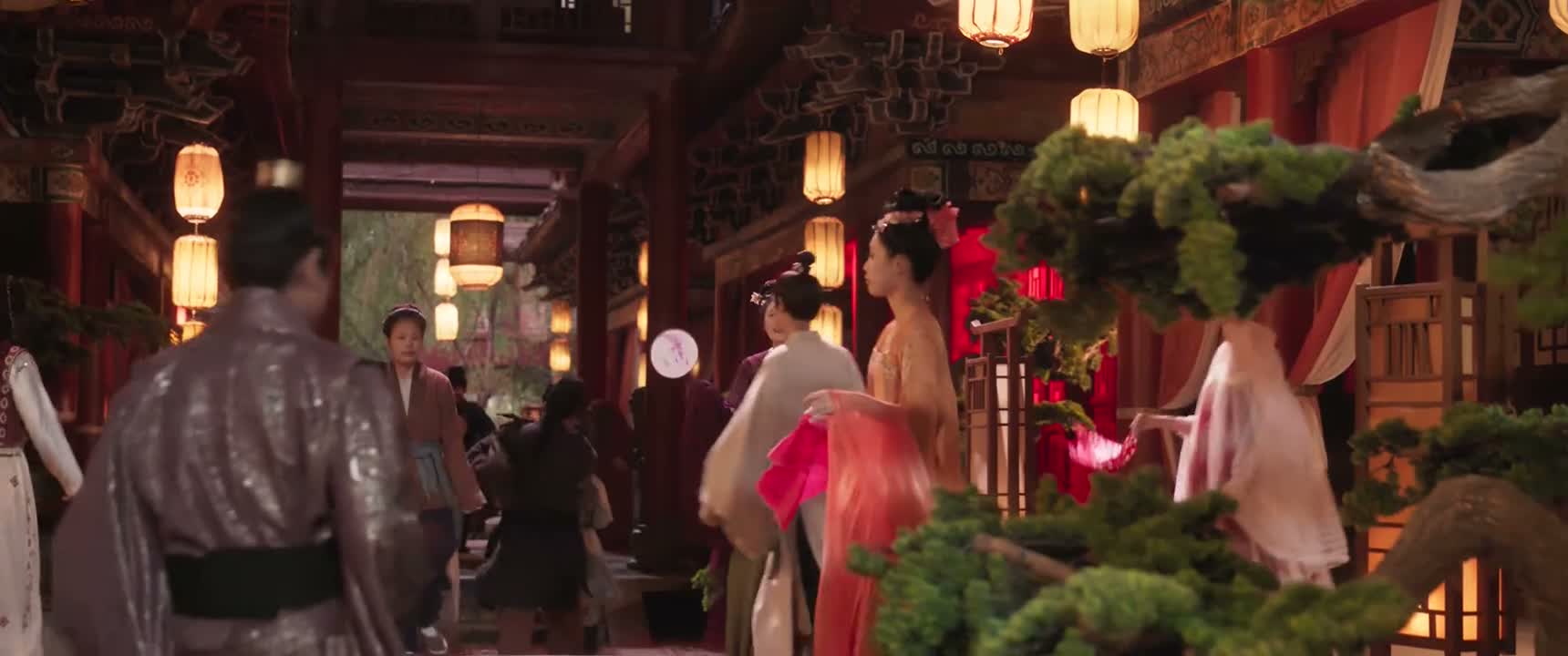 00:02
 00:02
 00:02
 00:02
(姐姐 你好 你的名字还挺有趣的) ── Previous context
“I heard you also like coming to our murder mystery games.”
 00:02
 00:02
[Scene: 其他场景]
(5 clips) 00:02
(是你们店那个山楂球 品控有问题) ── Previous context
“It's the first time I've had customers come for a murder mystery game,”
 00:02
 00:02
 00:02
(我们这就是小区的 棋牌活动中心 那街坊邻居的) ── Previous context
“The residents just come to play for fun.”
 00:03
(谢谢 谢谢 谢谢 谢谢啊) ── Previous context
“Don't worry. - Come visit. - Okay. - Bye. - Bye.”
[Scene: 职场工作]
(2 clips) 00:03
(我们得先筛选接受度较高的玩家 那个) ── Previous context
“thanks for your help with that last session. That girl has played several times.”
 00:02
[Scene: 商务沟通]
(1 clips) 00:03
(谁是老板) ── Previous context
“Are you here to play mahjong? All tables are full today.”
[Scene: 警匪刑侦]
(1 clips) 00:02
📌 放心
→Nuance: 告别送客核心交际意图完全一致
📌 放心吧
→Nuance: 告别送客核心交际意图完全一致
📌 小心
→Nuance: 告别送客核心交际意图完全一致
📌 没人
→Nuance: 核心均认为没人会去参与
📌 又不是
→Nuance: 同义句式强调来此非为玩乐
📌 多亏了你
→Nuance: 核心均表感谢对方帮忙
📌 贪玩
→Nuance: 均指孩子想玩耍的客观情况
📌 不管
→Nuance: 同向近义词根配对: [我们 ↔ 咱们]
📌 拜拜
→Nuance: 告别送客核心交际意图完全一致
📌 不是
→Nuance: 核心交际意图一致可互换