乱的
luàn deCommon spoken expression used by native Chinese speakers in daily life.
[Scene: 其他场景]
(5 clips) 00:02
 00:02
 00:02
 00:03
(你这是知法犯法) ── Previous context
“The morale of our society has been ruined by those people like you.”
 00:02
[Scene: 职场工作]
(4 clips) 00:02
 00:02
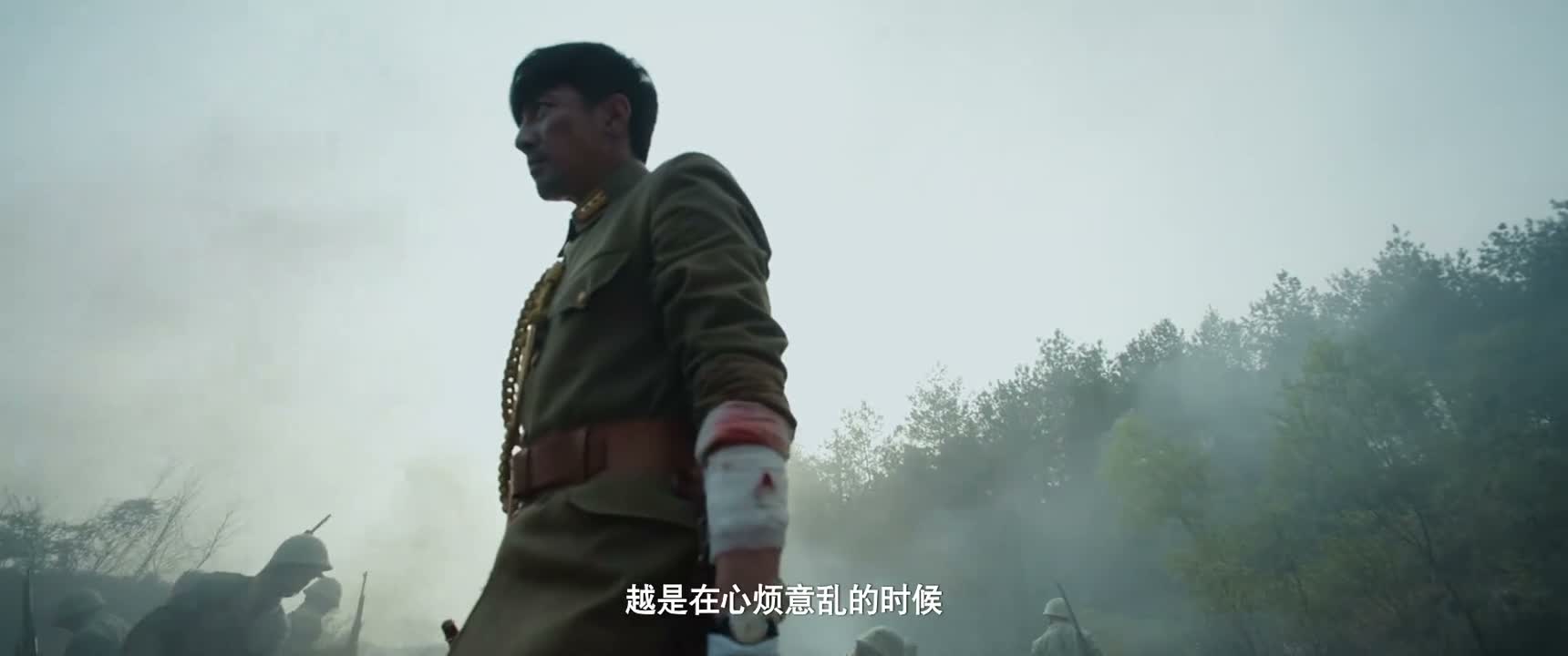 00:03
 00:03
(和这个文件啊 档案的 一定要分开放 对吧) ── Previous context
“If you mess things up... Moving shouldn't affect our work, right?”
[Scene: 历史宫廷]
(3 clips) 00:02
 00:02
 00:03
(所以毒杀太子 缉拿三皇子 谋害小皇孙的都是萧珣) ── Previous context
“He was behind the rebellion from the very start.”
[Scene: 其他场景]
(2 clips) 00:02
 00:03
(刘芬同志) ── Previous context
“here is your freshly issued passbook. Okay. Keep it safe. Thank you. It's a bit chaotic around here.”
[Scene: 家庭日常]
(2 clips) 00:02
 00:02
[Scene: 商务沟通]
(1 clips) 00:02
(我是来雍城赚钱的) ── Previous context
“The more chaotic a place is, the more business opportunities there are.”
[Scene: 餐饮美食]
(1 clips) 00:03
(高老师 你没事吧 没事 继续吃吧) ── Previous context
“So much money! If they hadn't messed around,”
[Scene: 警匪刑侦]
(1 clips) 00:02
[Scene: 社交聚会]
(1 clips) 00:02
📌 记得
→Nuance: 同向近义词根配对: [记得 ↔ 记忆]
📌 不知道
→Nuance: 同向近义词根配对: [这样 ↔ 这么]
📌 瞧瞧
→Nuance: 核心意图与句式完全一致
📌 怎么了
→Nuance: 均表惊叹或抱怨眼前混乱状况
📌 不清楚
→Nuance: 具体解释记忆混乱的状态
📌 干什么
→Nuance: 交际意图完全相同可直接互换
📌 是吧
→Nuance: 质问对方故意捣乱意图一致
📌 你说
→Nuance: 同向近义词根配对: [这样 ↔ 这么]