请回
qǐng huíCommon spoken expression used by native Chinese speakers in daily life.
[Scene: 历史宫廷]
(8 clips) 00:02
 00:02
 00:02
 00:02
 00:02
 00:03
 00:02
(你可千万不要出事啊) ── Previous context
“Young Master Shi is not here. Please go back, My Lady...”
 00:03
(师父再也没有提起过那晚发生的事) ── Previous context
“Thanks for your hard work. It's late. Please go back.”
[Scene: 职场工作]
(5 clips)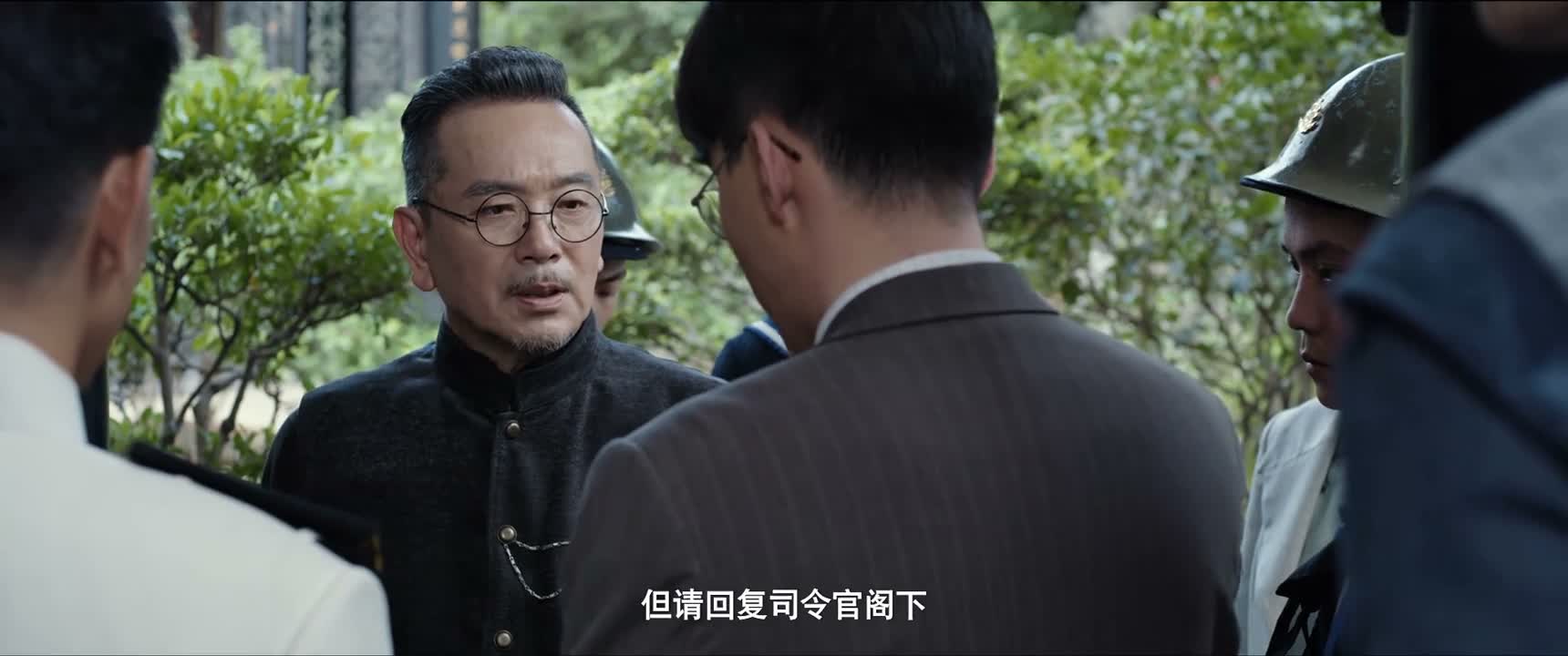 00:02
 00:03
(我资历 阅历尚浅) ── Previous context
“I cannot take on this responsibility. Please return.”
 00:03
(因为许云天是被公司开掉的 而你却是被公司) ── Previous context
“while you are the one being hired back. That shows he was the one at fault.”
 00:02
 00:02
(收到 书记 我们都很安全) ── Previous context
“Yu Qingtian? Yu Qingtian? Respond if you can hear me.”
[Scene: 其他场景]
(4 clips) 00:02
 00:02
 00:02
 00:03
[Scene: 警匪刑侦]
(2 clips) 00:02
 00:03
(唐小虎是被冤枉的 他会被无罪释放吗) ── Previous context
“No comment. Dear reporters, you can leave now. What happened?”
[Scene: 家庭日常]
(1 clips) 00:03
“Ms. Tian, please go back. Haven't I made it very clear to you?”
[Scene: 社交聚会]
(1 clips) 00:02
📌 姐
→Nuance: 同为拒客请回,借口表达不同
📌 姐
→Nuance: 同为代传主人意思逐客请回
📌 回来了
→Nuance: 同向近义词根配对: [知道 ↔ 清楚]
📌 我走了
→Nuance: 告别意图相同,表达更客气
📌 我走了
→Nuance: 告别意图一致,可同义互换
📌 怎么知道
→Nuance: 同向近义词根配对: [知道 ↔ 清楚]
📌 走了
→Nuance: 告别意图相同,表达更客气
📌 走了
→Nuance: 告别意图一致,可同义互换
📌 不是
→Nuance: 同向近义词根配对: [知道 ↔ 清楚]
📌 来了
→Nuance: 同向近义词根配对: [知道 ↔ 清楚]