我带你
wǒ dài nǐCommon spoken expression used by native Chinese speakers in daily life.
[Scene: 其他场景]
(11 clips) 00:02
(那让你卧床呢 你出来瞎溜达啥呢 你 你这得治啊) ── Previous context
“I'll take you somewhere. It'll definitely help.”
 00:03
 00:03
(你知道 刚才警察同志跟我说什么吗) ── Previous context
“What? He suggested that I bring you to a psychiatrist.”
 00:03
 00:03
(很可疑) ── Previous context
“Do you want to go and take a look? Where is it? I'll take you there. Let's go.”
 00:02
 00:03
(我这刚从银行把钱取出来) ── Previous context
“Okay. Xue is over there. I'll take you to him. Thank you.”
 00:02
(许是被什么东西魇着了?) ── Previous context
“Shall I take you back and wash you with pomelo leaves?”
 00:03
 00:02
 00:02
[Scene: 社交聚会]
(9 clips) 00:02
(要有机会的话) ── Previous context
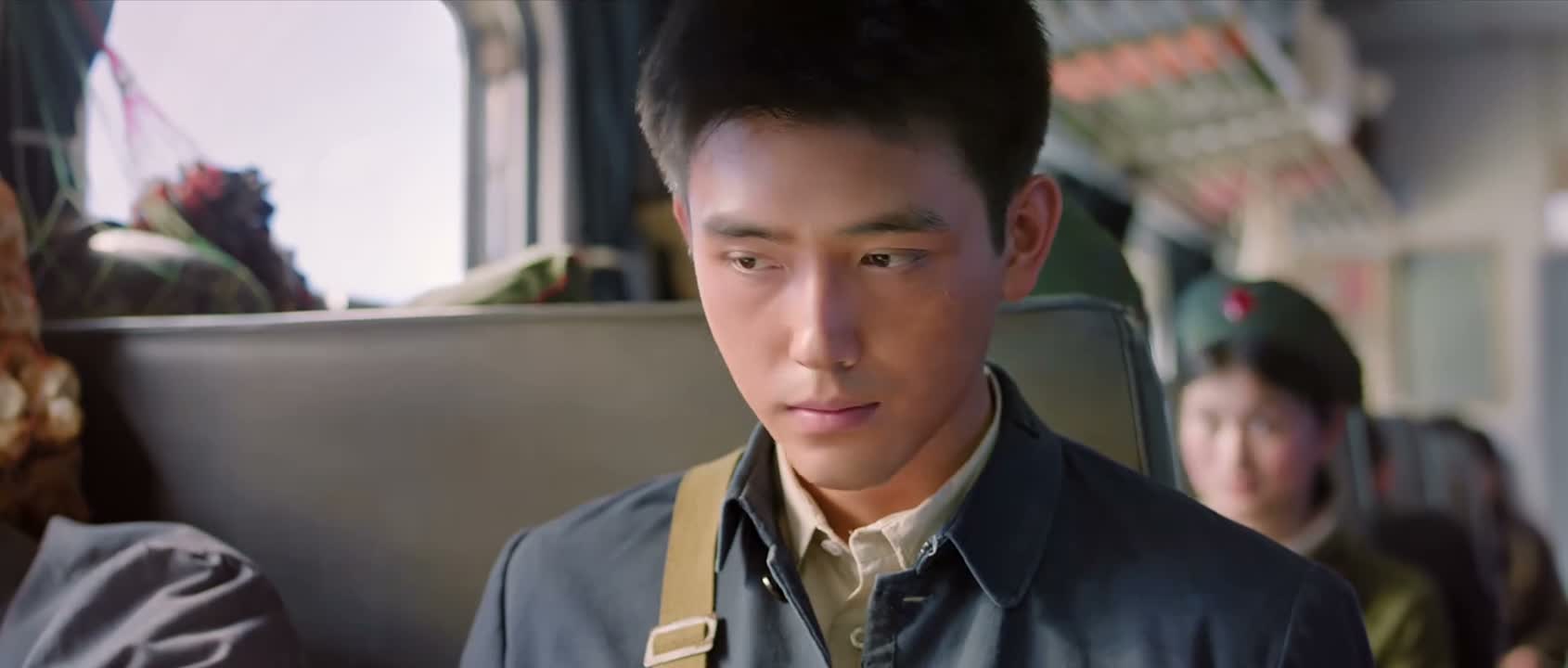
“♪ Leaving a hurried silhouette for the dusk ♪ I can take you to their live show.”
 00:02
 00:02
 00:02
 00:02
(看看那儿) ── Previous context
“When we reach Jiangcheng, I'll buy you something tasty.”
 00:02
(我现在就挺难过的) ── Previous context
“Let me take you somewhere. You won't be sad there.”
 00:03
(我跟你说 一单一提成 不比你当 人家的助理强) ── Previous context
“Oh, you quit. Perfect. Let me get you started.”
 00:02
 00:03
(你怎么能就此丧失了 继续挑战爱情游戏的勇气呢) ── Previous context
“Come on, drink up. When we're done, I'll take you shopping. You'll feel much better after that.”
[Scene: 餐饮美食]
(5 clips) 00:03
(儿子说了算 你呀 跟宋叔 到他厨房去看看) ── Previous context
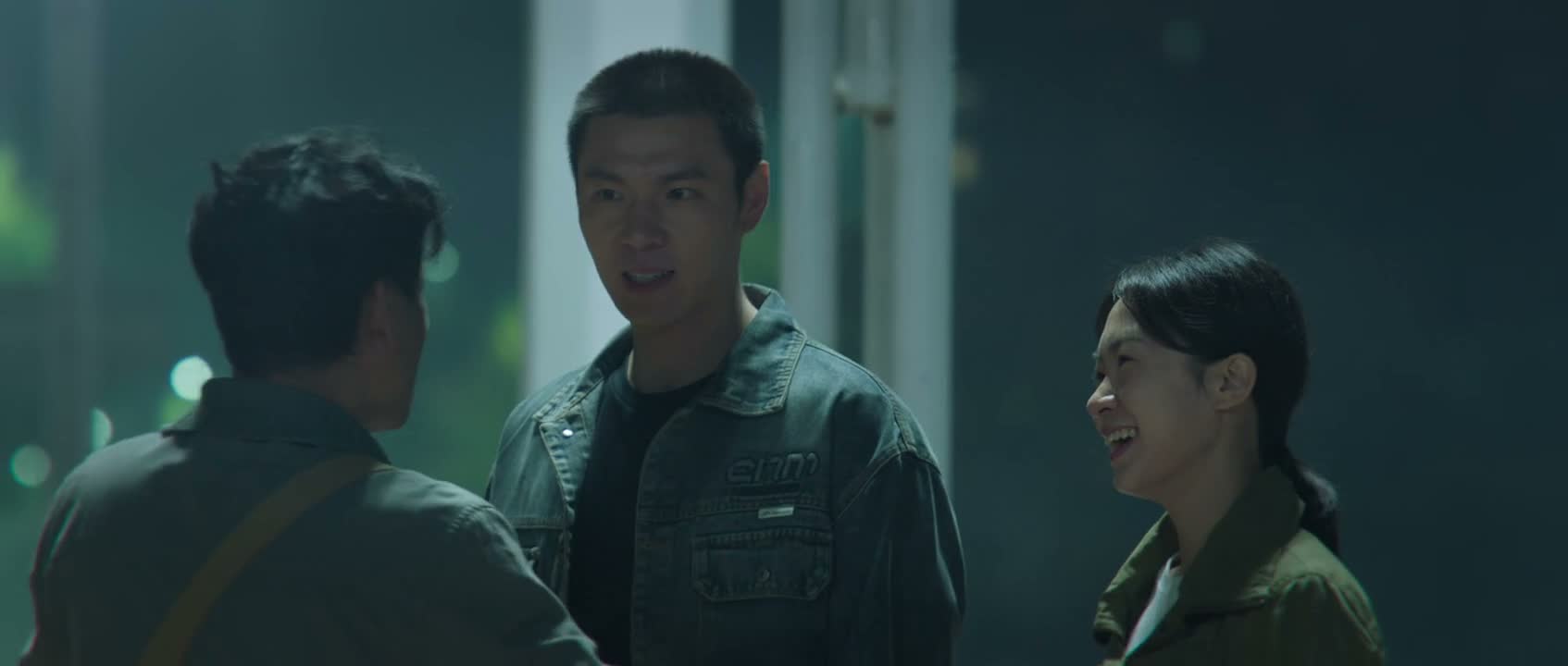
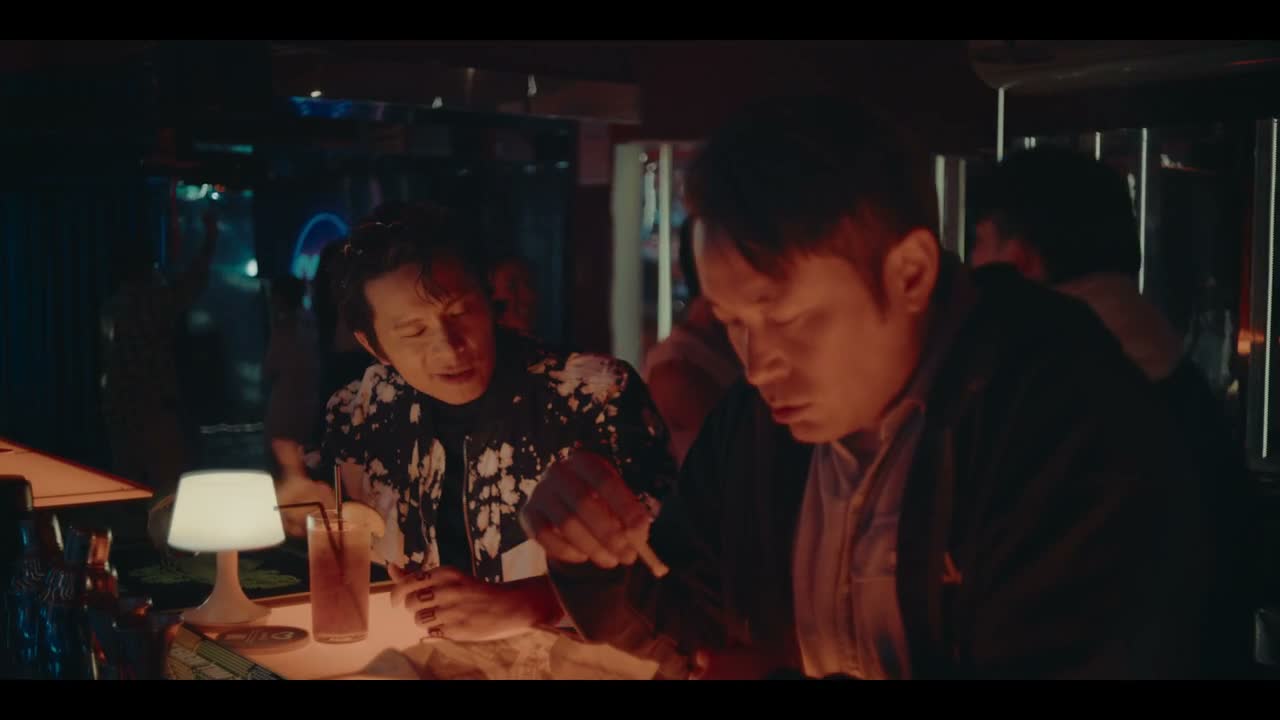
“Take whatever you want. -Okay, I'll take you there. -Go.”
 00:02
 00:02
 00:02
 00:02
[Scene: 其他场景]
(4 clips) 00:03
(谁都不想看见我 管我 你母亲现在已经到楼下了) ── Previous context
“Come over here. I'll take you to her. Come on. Stop lying.”
 00:02
 00:02
 00:02
[Scene: 家庭日常]
(4 clips) 00:02
(你赶我走我报警 你虐待老人) ── Previous context
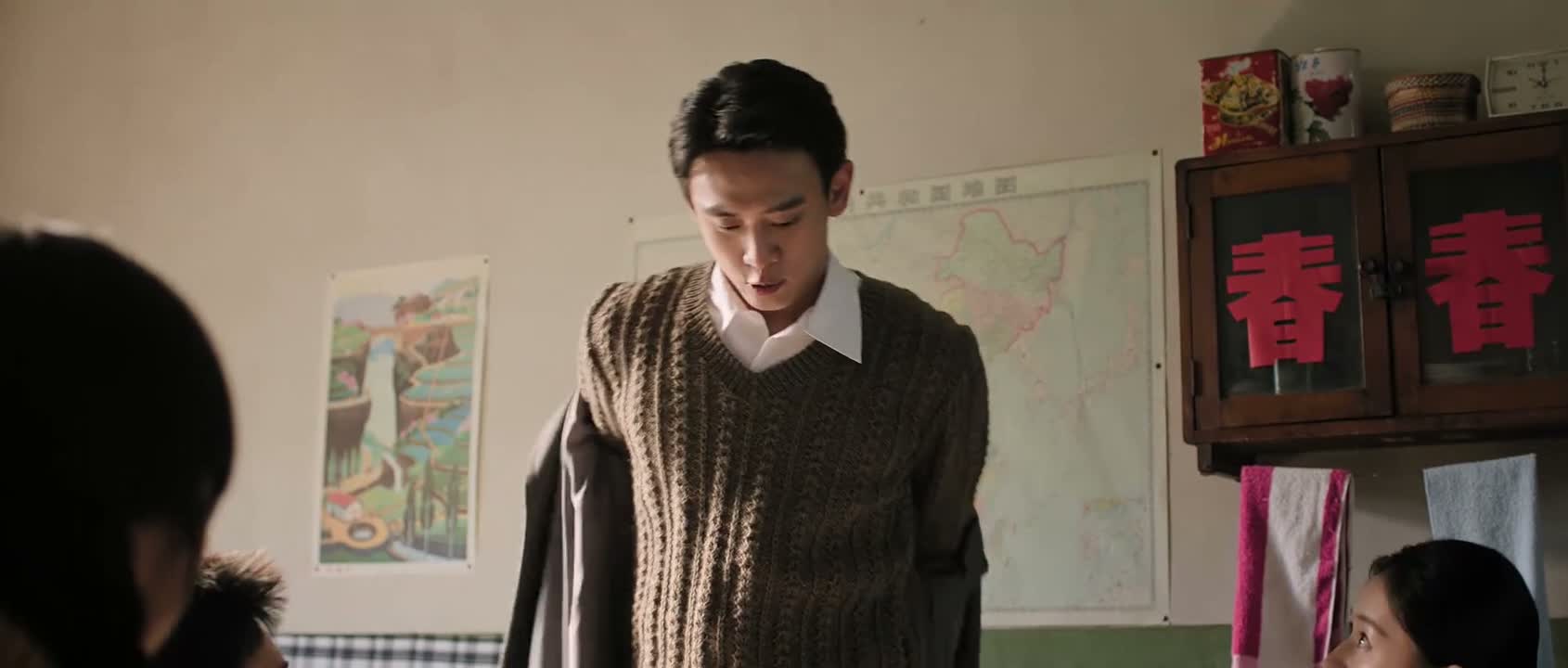
“Come downstairs with me. I'll get you a room at the front desk, okay?”
 00:02
 00:02
 00:03
(对了 哥 你还记着咱那老房子吗) ── Previous context
“It has been demolished. It's a tall skyscraper now. I'll show you some other day.”
[Scene: 历史宫廷]
(2 clips) 00:02
 00:03
(一味地提高赋税 只会让百姓艰苦 九城困难) ── Previous context
“Your Excellency, let me take you somewhere.”
[Scene: 其他场景]
(2 clips) 00:02
 00:03
(摔了一跤 腿摔伤了) ── Previous context
“That's pretty bad. Let me take you to the hospital.”
[Scene: 警匪刑侦]
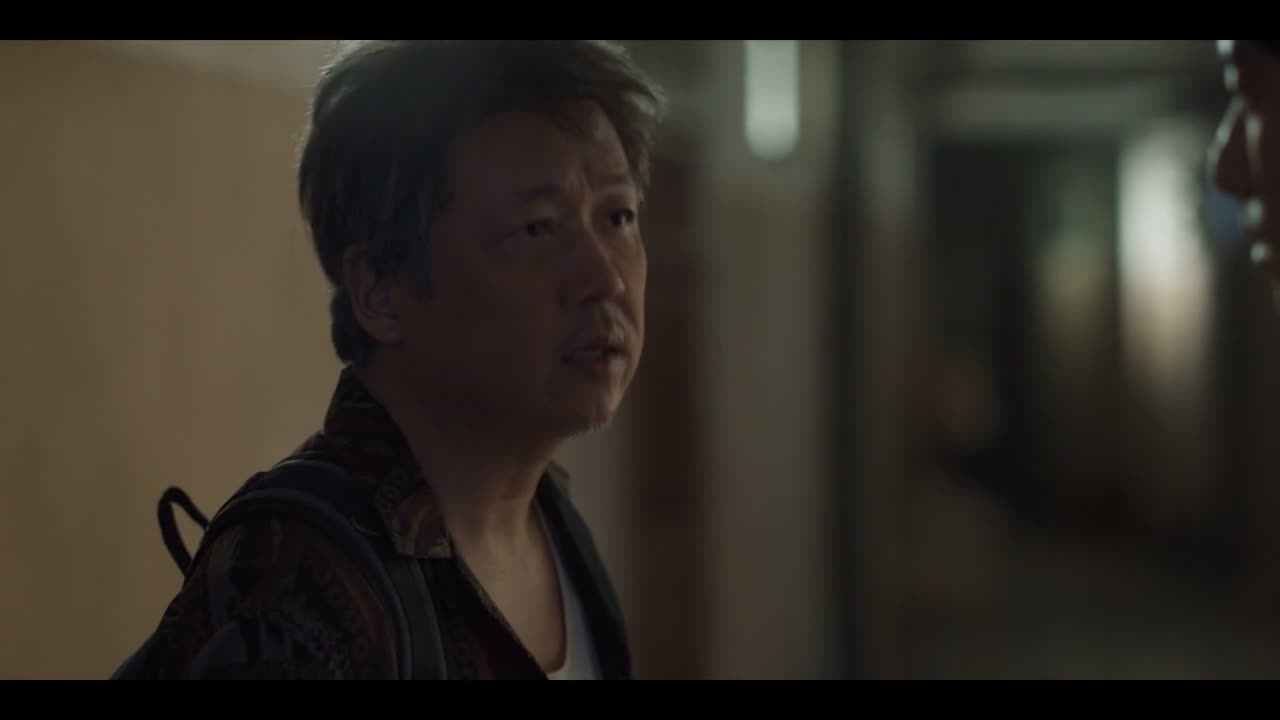
(2 clips)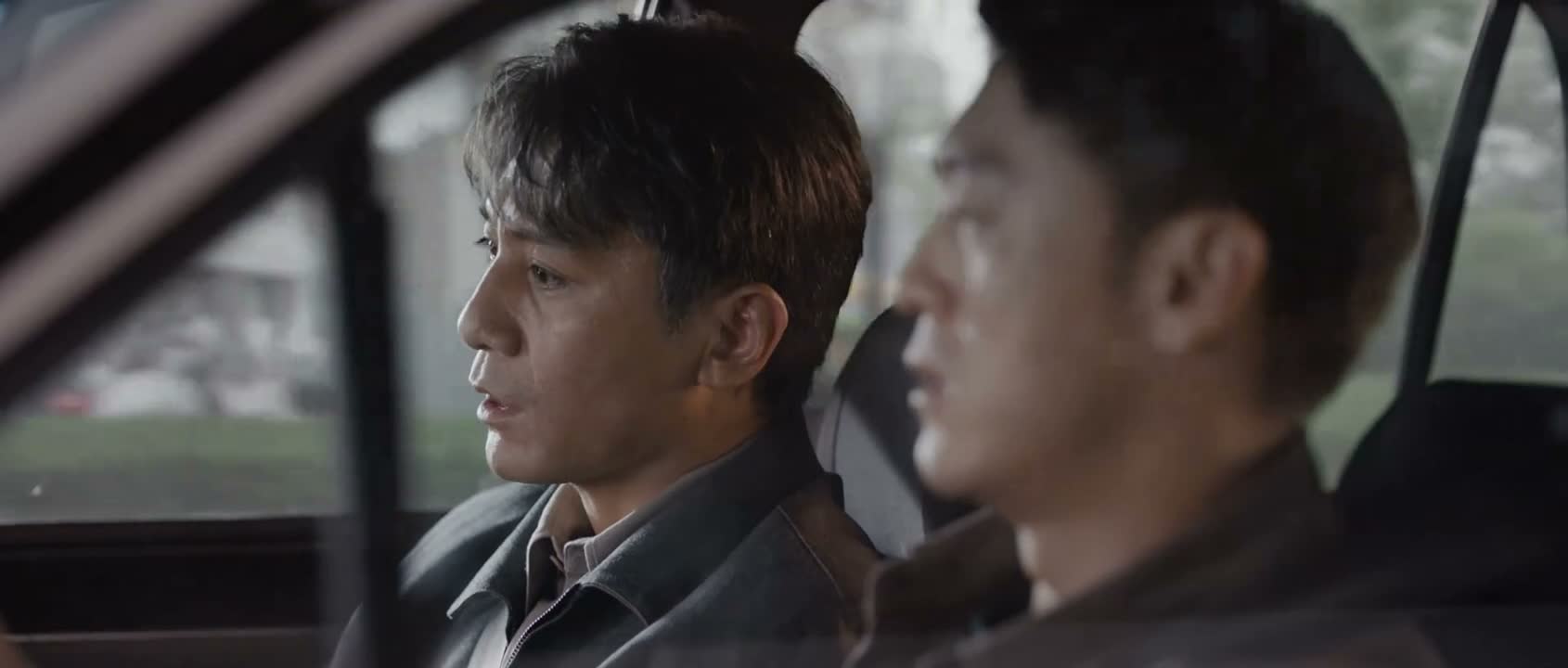 00:02
(张伟你记不记得) ── Previous context
“Zhang Wei, remember when I took you to investigate Meng Guangcai years ago?”
 00:02
[Scene: 其他场景]
(1 clips) 00:03
(一表人才啊) ── Previous context
“Thank you. Let me show you around the school to see all the changes.”
📌 没事
→Nuance: 同为热情催促劝饮,意图一致
📌 走走走
→Nuance: 催促动身去吃美食,意图一致
📌 放心
→Nuance: 协商口吻提出带对方回家
📌 快走吧
→Nuance: 提议离开,核心意图相近
📌 想吃什么
→Nuance: 同为任选食物意图但场景不同
📌 快走
→Nuance: 提议离开,核心意图相近
📌 一个人
→Nuance: 协商口吻提出带对方回家
📌 请客
→Nuance: 泛化的作东请客意图变体
📌 叫过来
→Nuance: 同向近义词根配对: [现在 ↔ 今天]
📌 开学
→Nuance: 同向近义词根配对: [现在 ↔ 今天]