不打扰了
bù dǎ rǎo leCommon spoken expression used by native Chinese speakers in daily life.
[Scene: 社交聚会]
(3 clips) 00:02
 00:02
 00:02
[Scene: 职场工作]
(3 clips) 00:02
(绝对不像一个 二十岁的人哪) ── Previous context
“Thanks for the compliment. I'll take my leave then.”
 00:03
 00:02
[Scene: 其他场景]
(2 clips) 00:03
(坐这坐这 坐) ── Previous context
“Then you... You two take your time, I won't interrupt.”
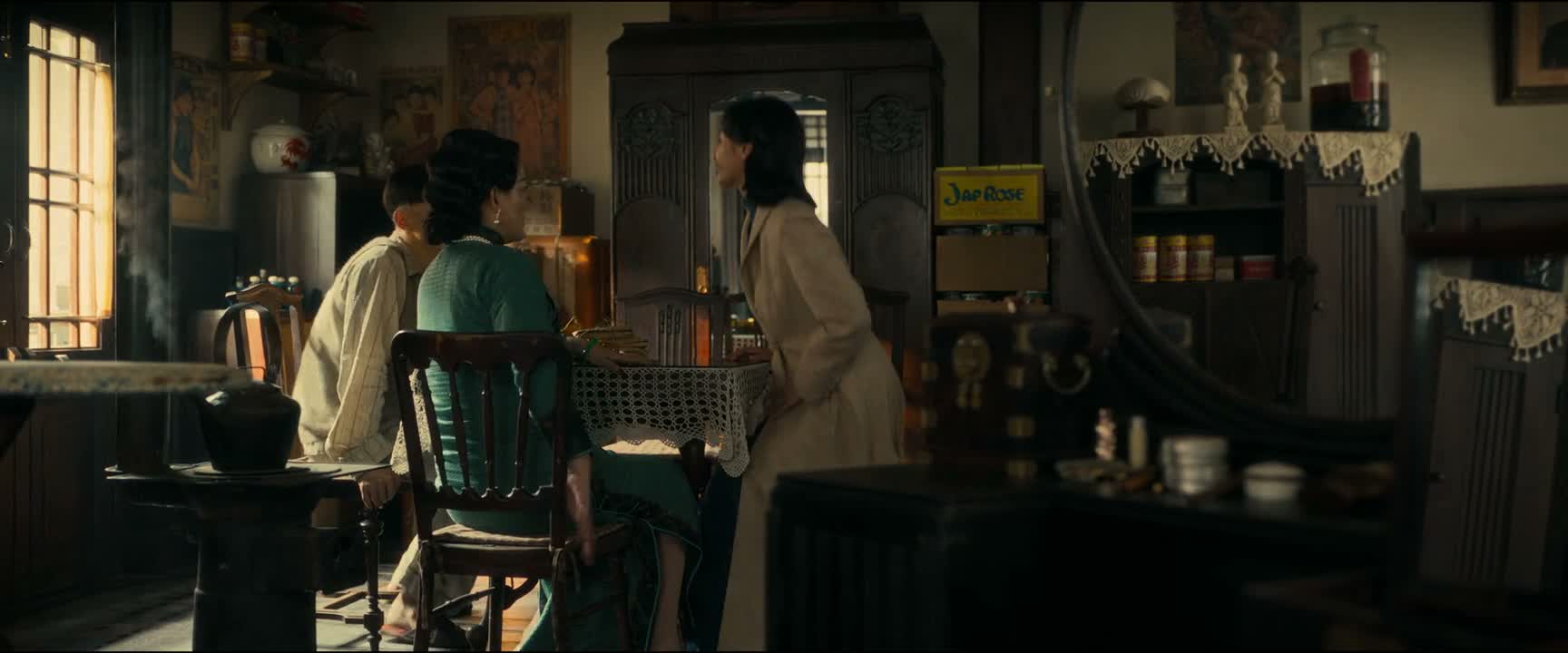 00:02
[Scene: 餐饮美食]
(2 clips) 00:02
 00:03
(吃顿便饭再走吧 不了 不了) ── Previous context
“I won't disturb you. Goodbye. I'll cook today.”
[Scene: 历史宫廷]
(2 clips) 00:03
 00:03
(这几日太后都拘着绥哥儿读书 怕是) ── Previous context
“Then I won't bother him. I'll come back in a few days to pay my respects to Grandmother.”
[Scene: 商务沟通]
(1 clips) 00:02
(我离开徽州数日 没收到你寄给我的东西) ── Previous context
“Alright then. I won't bother you anymore. Go ahead and get back to your work.”
[Scene: 家庭日常]
(1 clips) 00:03
(那就有劳姑姑了) ── Previous context
“I won't disturb you anymore. I'll take my leave. Okay.”
[Scene: 出行交通]
(1 clips) 00:03
(不好意思啊 我着急找我朋友 一会儿我还要赶船呢) ── Previous context
“If you don't know, I won't bother you further. Thank you.”
📌 那行
→Nuance: 告别意图一致,可直接互换
📌 好嘞
→Nuance: 同为告辞不打扰,现代口语
📌 好嘞
→Nuance: 辞行客套交际意图完全相同
📌 行吧
→Nuance: 告别意图一致,可直接互换
📌 不知道
→Nuance: 核心交际意图完全一致可互换
📌 我先走了
→Nuance: 交际意图完全相同可直接互换
📌 不管
→Nuance: 同向近义词根配对: [我们 ↔ 咱们]
📌 走了
→Nuance: 交际意图完全相同可直接互换
📌 人家
→Nuance: 同向近义词根配对: [感谢 ↔ 谢谢]
📌 先走了
→Nuance: 交际意图完全相同可直接互换