乖
guāiCommon spoken expression used by native Chinese speakers in daily life.
[Scene: 其他场景]
(9 clips) 00:03
(那万一真不是他干的 咋了 你给我把柜子吃喽啊) ── Previous context
“My goodness, you still have the mood to joke around here?”
 00:02
 00:02
 00:02
 00:02
 00:02
 00:03
 00:02
 00:02
[Scene: 其他场景]
(8 clips) 00:03
(咋 泰缅边境这么冷啊) ── Previous context
“My goodness, what are you doing all the way out there?”
 00:03
(谢谢啊) ── Previous context
“My goodness, finally you're on. Where have you been?”
 00:03
 00:03
 00:03
(那好吧) ── Previous context
“Be good, Ivory. I'll come see you again tomorrow morning.”
 00:02
 00:03
(静姐) ── Previous context
“You're here, He. Sorry to bother you. It's okay. Chang got straight”
 00:02
[Scene: 家庭日常]
(8 clips) 00:02
 00:02
 00:02
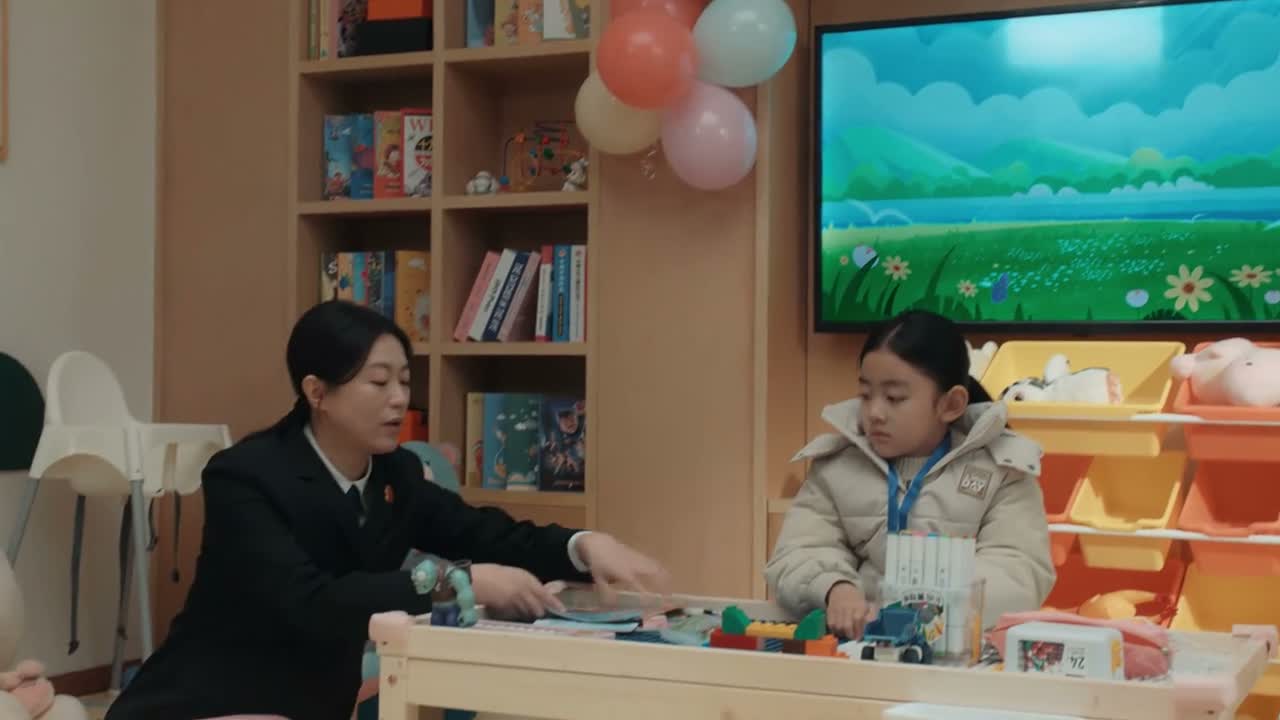 00:02
 00:02
 00:02
 00:03
(不是 我没抢 孩子的事儿你掺和什么呀) ── Previous context
“Even play favorites here. Yuanyuan, don't cry. Be good.”
 00:03
(行不行) ── Previous context
“Xiaoxue, be good. After dinner, I will take you out to play.”
[Scene: 社交聚会]
(4 clips) 00:02
 00:02
 00:02
 00:02
[Scene: 餐饮美食]
(1 clips) 00:02
[Scene: 其他场景]
(1 clips) 00:02
[Scene: 其他场景]
(1 clips) 00:02
[Scene: 出行交通]
(1 clips) 00:03
(慢一点 慢一点) ── Previous context
“Oh my goodness. Watch out for the elderly and children. Taking this boat is killing me.”
[Scene: 职场工作]
(1 clips) 00:02
📌 你赶紧
→Nuance: 同向近义词根配对: [赶快 ↔ 赶紧]
📌 听我的话
→Nuance: 核心语义一致均指阿笙听话
📌 真乖
→Nuance: 同为母亲安抚孩子的亲昵表达
📌 得了
→Nuance: 第三人称评价角度略有不同
📌 得了
→Nuance: 核心语义完全相同可互换
📌 在家
→Nuance: 挽留且给出去处,表达更具体
📌 听话
→Nuance: 主语代词及承诺听话意图一致
📌 怎么回事
→Nuance: 带有哄劝口吻的挽留变体
📌 赶紧
→Nuance: 同向近义词根配对: [赶快 ↔ 赶紧]
📌 就知道
→Nuance: 带有哄劝口吻的挽留变体