说的是真的
shuō de shì zhēn deCommon spoken expression used by native Chinese speakers in daily life.
[Scene: 其他场景]
(6 clips) 00:02
 00:03
(他刚才是不是疯了) ── Previous context
“talking nonsense all the time? But if what he said is true,”
 00:02
(你随时有办法弄死我们) ── Previous context
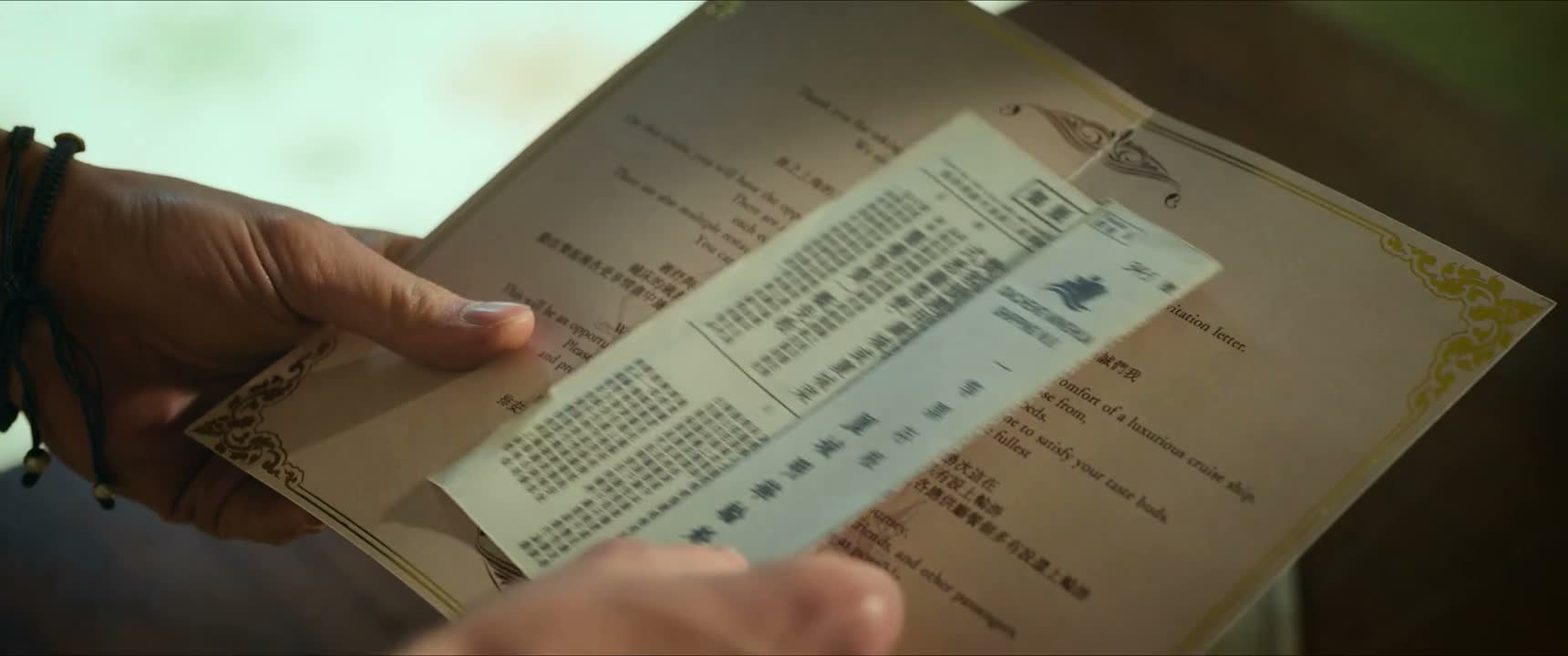
“[First-Class Cabin Ticket Stub] so what you're saying must be true.”
 00:03
(更何况你也没有什么损失) ── Previous context
“What if I'm telling the truth, right? You sound so convincing right now.”
 00:03
(元宝没有撒谎 相信我们 相信我们 我们没有撒谎) ── Previous context
“What he says is true. Yuanbao... Yuanbao is really telling the truth.”
 00:03
(元宝说的是真的 元宝没有撒谎 没有撒谎) ── Previous context
“We're telling the truth. Yuanbao is telling the truth.”
[Scene: 其他场景]
(2 clips) 00:03
(大家好好想想 你们的问题都能解决) ── Previous context
“Is what you said true? Rest assured. I keep my word.”
 00:02
[Scene: 历史宫廷]
(2 clips) 00:03
 00:03
(您为何 还要如此保他) ── Previous context
“It seems Wang Xuanfan was telling the truth after all.”
[Scene: 警匪刑侦]
(2 clips) 00:02
 00:03
(我把另外一只胳膊 我也卸下来给他) ── Previous context
“Even if what he said was true, there's also nothing we could do about him.”
📌 我跟你说
→Nuance: 同向近义词根配对: [如果 ↔ 万一]
📌 你说
→Nuance: 同向近义词根配对: [如果 ↔ 万一]
📌 相信
→Nuance: 同向近义词根配对: [如果 ↔ 万一]
📌 来
→Nuance: 同向近义词根配对: [如果 ↔ 万一]
📌 不会
→Nuance: 同向近义词根配对: [即使 ↔ 就算]
📌 一句话
→Nuance: 同向近义词根配对: [现在 ↔ 今天]
📌 当然是
→Nuance: 均表达确认事情为真的意图
📌 真的是
→Nuance: 核心交际意图完全一致
📌 想要
→Nuance: 同向近义词根配对: [如果 ↔ 万一]