栽赃
zāi zāngCommon spoken expression used by native Chinese speakers in daily life.
[Scene: 其他场景]
(8 clips) 00:02
 00:02
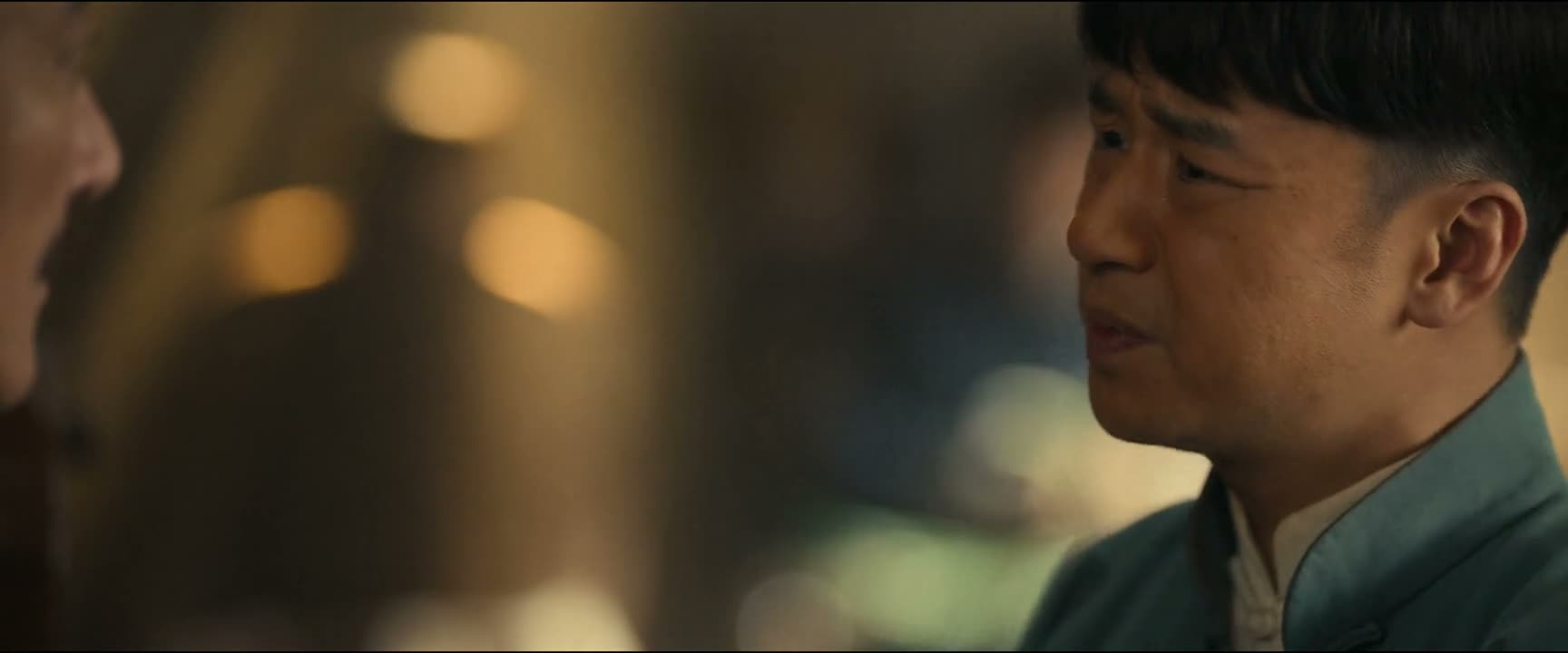 00:02
(让巡捕房给抓了 说是什么抗日分子) ── Previous context
“This is obviously a frame-up by the Japanese.”
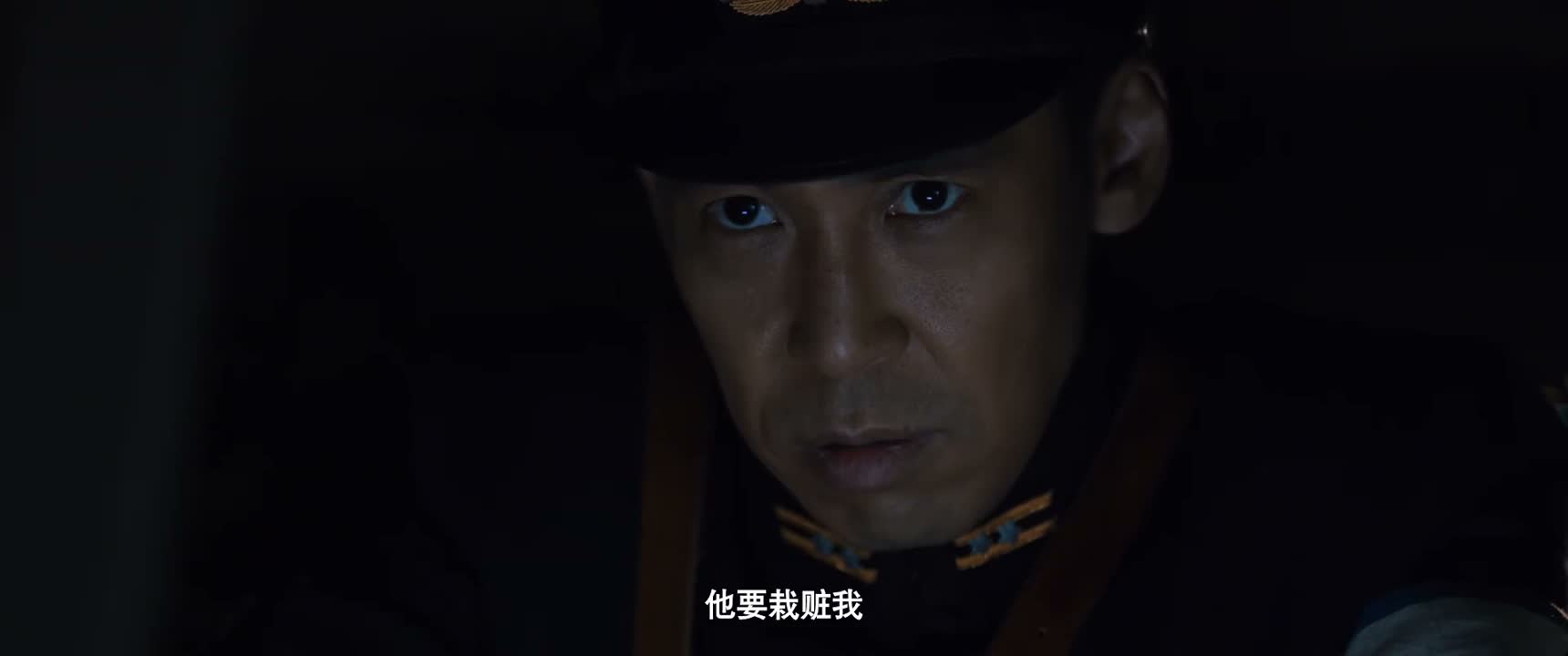 00:02
 00:02
 00:02
 00:02
(你先进去 门开开 我们家馒头不是馊的 小飞) ── Previous context
“- You're framing us! - Xiaofei! Xiaofei, listen to me.”
 00:02
[Scene: 历史宫廷]
(4 clips) 00:03
(平日里看你老实巴交 竟然与刺客有牵连) ── Previous context
“and trying to pin this on Prince Duan! What are your intentions? Lord Cao!”
 00:02
 00:02
 00:02
[Scene: 警匪刑侦]
(4 clips) 00:02
 00:02
 00:02
(我猜测) ── Previous context
“the person who planted the gun on Wu Jiang, then gave him money,”
 00:02
[Scene: 职场工作]
(2 clips) 00:02
(死到临头了还想保全你的下属) ── Previous context
“When you run into a guest who frames you like this,”
 00:02
[Scene: 其他场景]
(1 clips) 00:03
(不是我说啊 他现在污蔑同学就是品德问题) ── Previous context
“He has to face disciplinary action! You're the one framing me!”
📌 人家
→Nuance: 同指言语毁人清白/栽赃
📌 不是
→Nuance: 均表达被蓄意栽赃陷害
📌 会不会是
→Nuance: 同向近义词根配对: [故意 ↔ 蓄意]
📌 你说
→Nuance: 同向近义词根配对: [故意 ↔ 蓄意]
📌 背黑锅
→Nuance: 核心均为指责上位者栽赃底层
📌 到底
→Nuance: 同向近义词根配对: [明显 ↔ 肯定]
📌 来
→Nuance: 同指被嫁祸质问,口吻更直白
📌 来
→Nuance: 核心均为指责上位者栽赃底层
📌 会不会
→Nuance: 同向近义词根配对: [故意 ↔ 蓄意]