敬酒
jìng jiǔCommon spoken expression used by native Chinese speakers in daily life.
[Scene: 餐饮美食]
(10 clips) 00:02
 00:02
 00:02
 00:02
(李大人 来) ── Previous context
“Who are those people at the back table, too timid to come to toast?”
 00:03
(不吃白不吃) ── Previous context
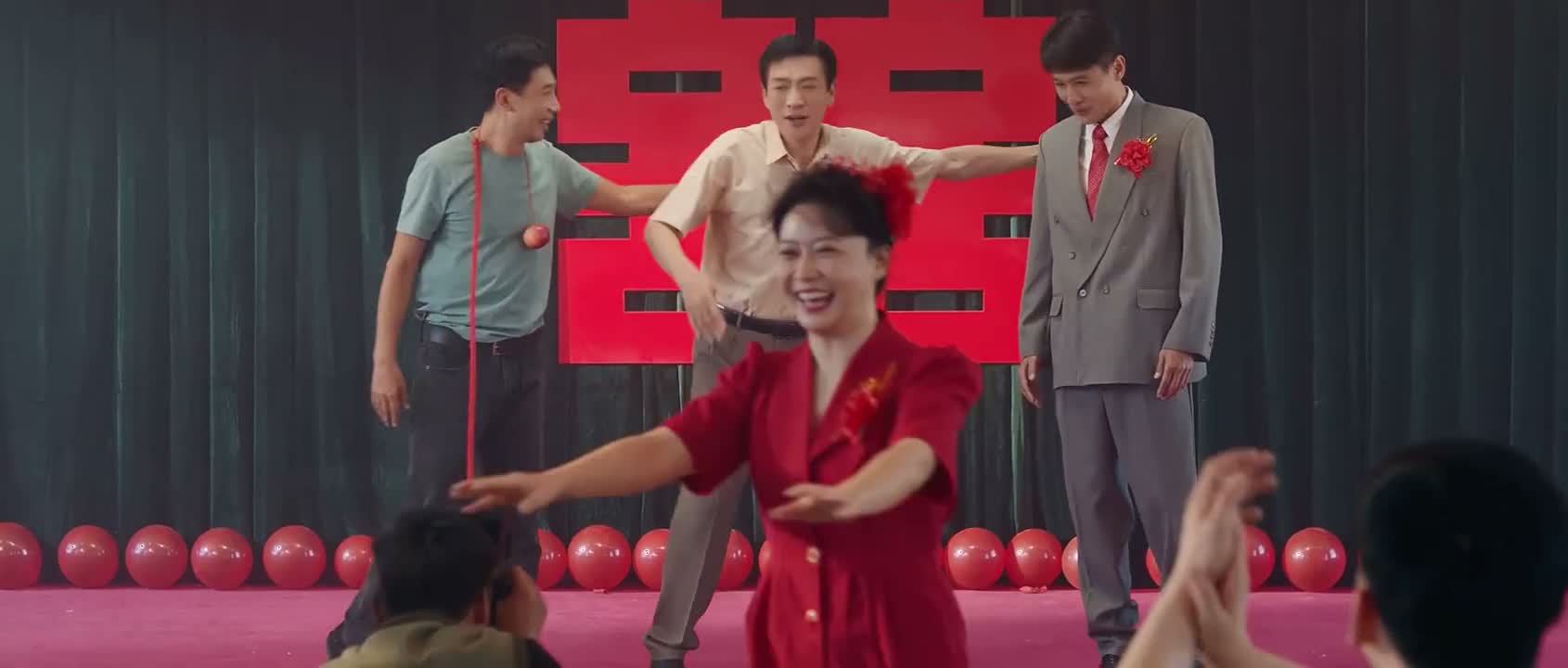
“When they come around for toasts later, help introduce me to the bride.”
 00:02
 00:03
(汤米已经去劝那个女孩了 现在就看) ── Previous context
“if she dares to propose a toast. It's fine if she doesn't.”
 00:02
 00:02
 00:02
[Scene: 其他场景]
(3 clips) 00:02
 00:03
(我这后面好多夸你的 那都在后边呢) ── Previous context
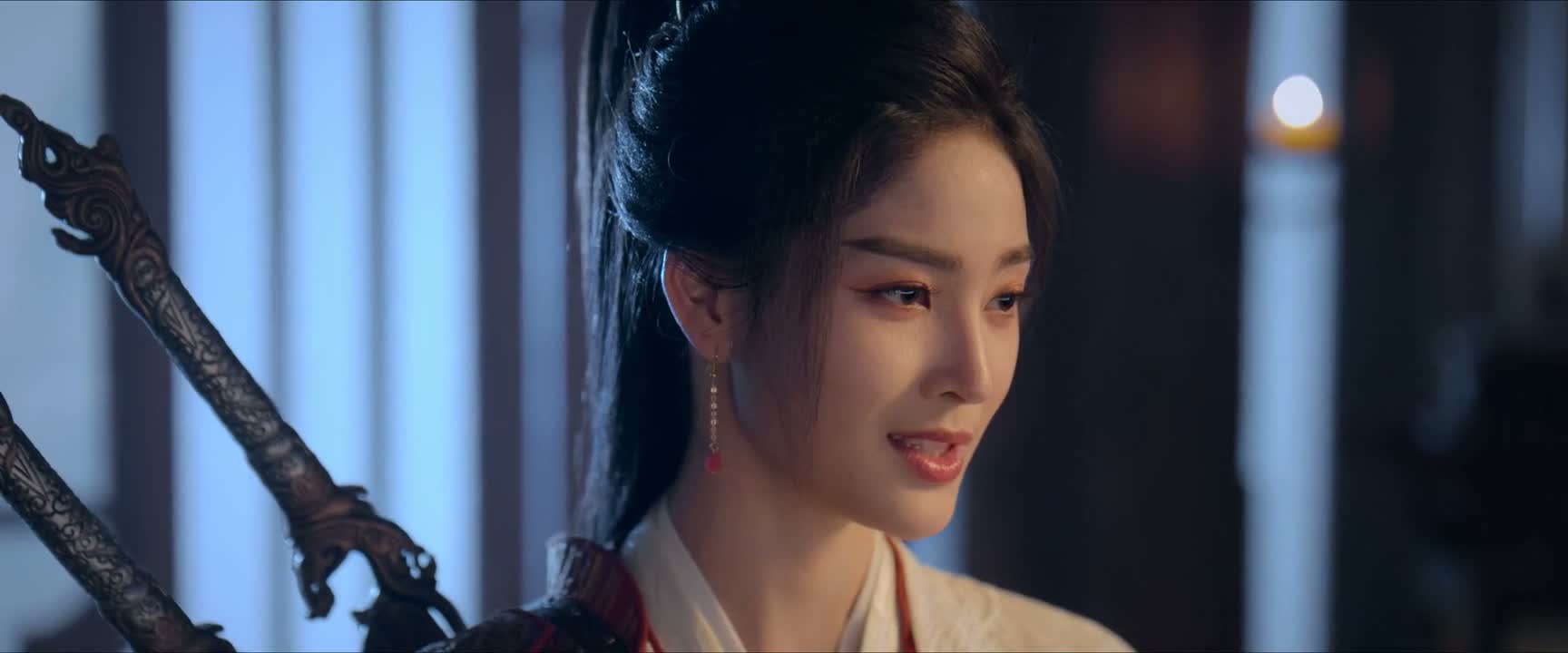
“"Li Qiuping, you don't know what's best for you."”
 00:02
[Scene: 职场工作]
(3 clips) 00:02
(要是换成制服的话可能会更好 想什么呢) ── Previous context
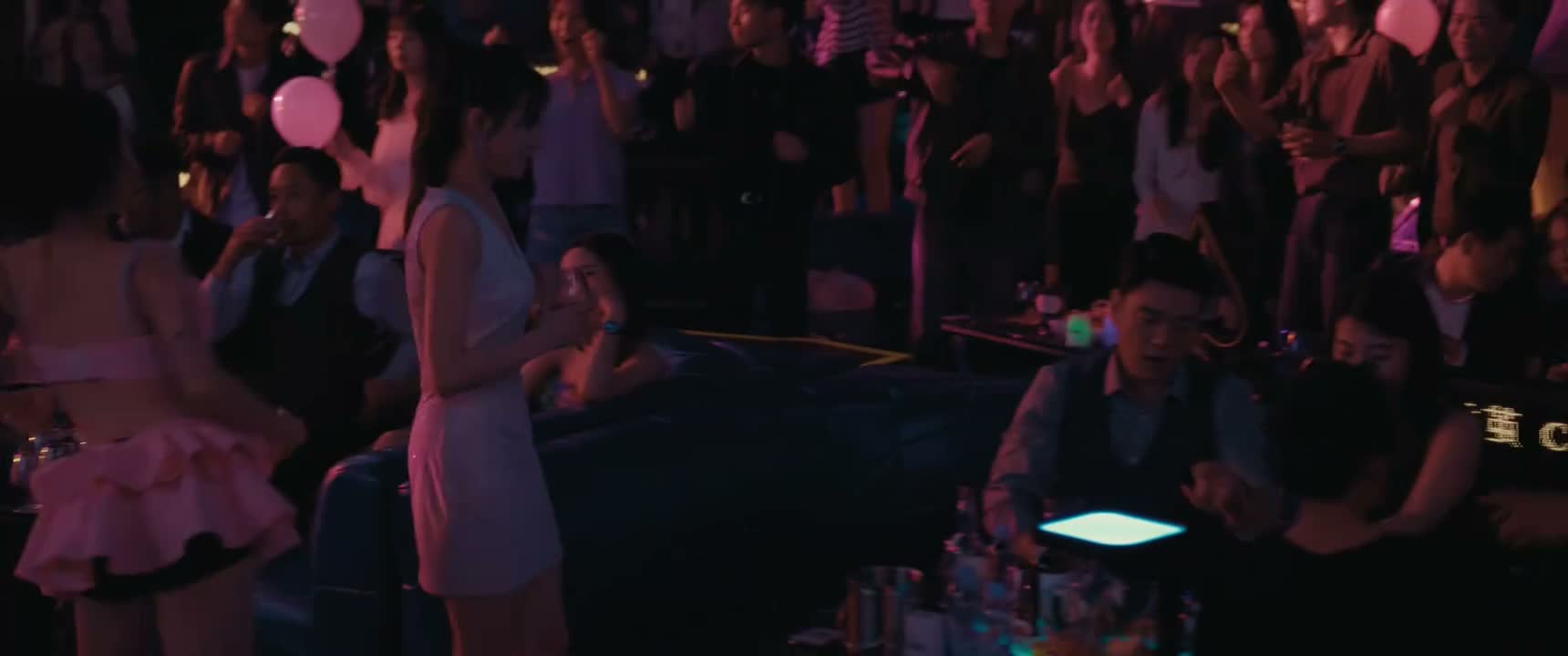
“To have her toast the VIP clients tonight?”
 00:03
 00:02
[Scene: 历史宫廷]
(1 clips) 00:02
[Scene: 警匪刑侦]
(1 clips) 00:03
(她是想着回家以后 再把东西交出来) ── Previous context
“Lai got angry when he heard this, and told her not to do things the hard way.”
[Scene: 其他场景]
(1 clips) 00:02
[Scene: 社交聚会]
(1 clips) 00:03
📌 不容易
→Nuance: 均表达找女人敬酒很容易,可作变体
📌 你这人
→Nuance: 同向近义词根配对: [礼貌 ↔ 无礼]
📌 人家
→Nuance: 同向近义词根配对: [新娘 ↔ 新娘子]
📌 你说
→Nuance: 同向近义词根配对: [新娘 ↔ 新娘子]
📌 你看你
→Nuance: 同向近义词根配对: [礼貌 ↔ 无礼]
📌 来了
→Nuance: 同向近义词根配对: [新娘 ↔ 新娘子]
📌 本来
→Nuance: 同向近义词根配对: [新娘 ↔ 新娘子]
📌 来
→Nuance: 同指不识好歹核心意图一致
📌 你看
→Nuance: 同向近义词根配对: [礼貌 ↔ 无礼]