就对了
jiù duì leCommon spoken expression used by native Chinese speakers in daily life.
[Scene: 其他场景]
(6 clips) 00:02
(那又怎样? 档期不是我们硬乔过来的吗?) ── Previous context
“So the people who bought tickets don't count as people?”
 00:02
 00:02
 00:03
(房主是个男的 叫王安 那是我弟弟) ── Previous context
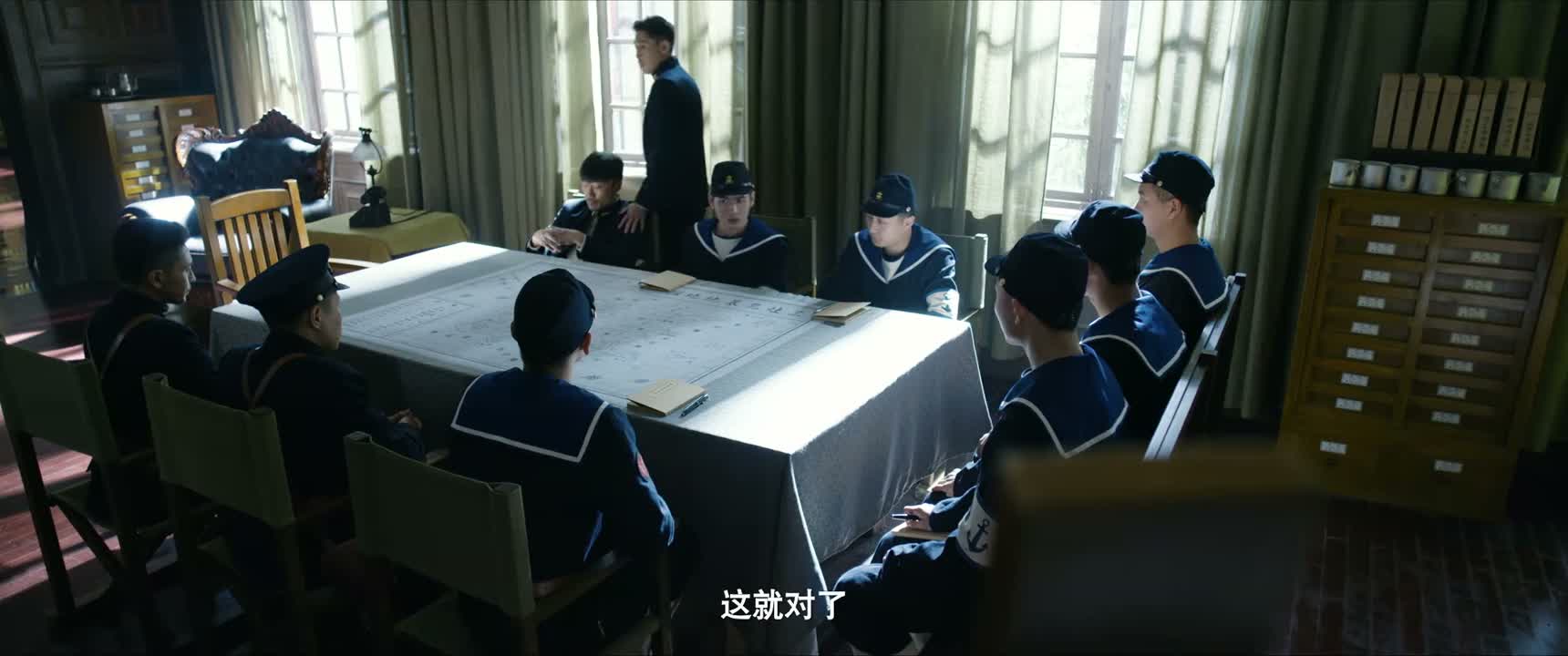
“That explains it. He sold the house to me. The paperwork is done.”
 00:02
 00:02
(禁军里确实有个副统领姓赵) ── Previous context
“Could it be him? That explains it! Explains what?”
[Scene: 社交聚会]
(6 clips) 00:02
 00:03
(我怎么就听不懂呢) ── Previous context
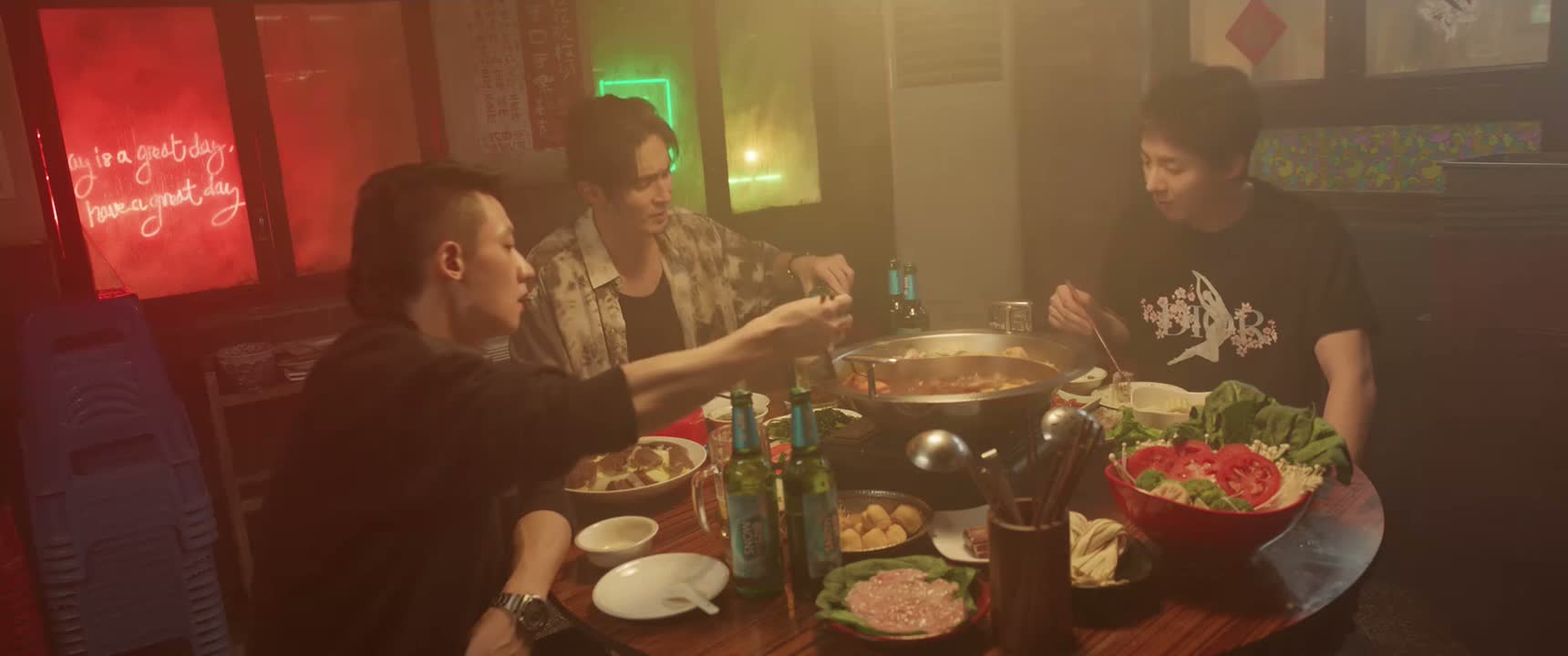
“Did you understand it? - No. - No. That's right.”
 00:03
 00:02
 00:02
 00:02
[Scene: 职场工作]
(5 clips) 00:02
 00:02
 00:02
 00:02
 00:02
[Scene: 其他场景]
(4 clips) 00:02
 00:02
 00:02
 00:03
(那你也得吃饭嘛 你看你吃点啥 我去给咱弄) ── Previous context
“I'll get something for both of us. I usually grab a quick bite.”
[Scene: 商务沟通]
(2 clips) 00:02
 00:02
(老板) ── Previous context
“Sir, four rounds. Here's the money. - Leave it there. - One million may work.”
[Scene: 餐饮美食]
(2 clips) 00:02
 00:02
[Scene: 家庭日常]
(2 clips) 00:02
 00:03
(这些年来啊 家里的事情全是她在操持) ── Previous context
“So, Shi, if you need anything, just go straight to her.”
[Scene: 其他场景]
(2 clips)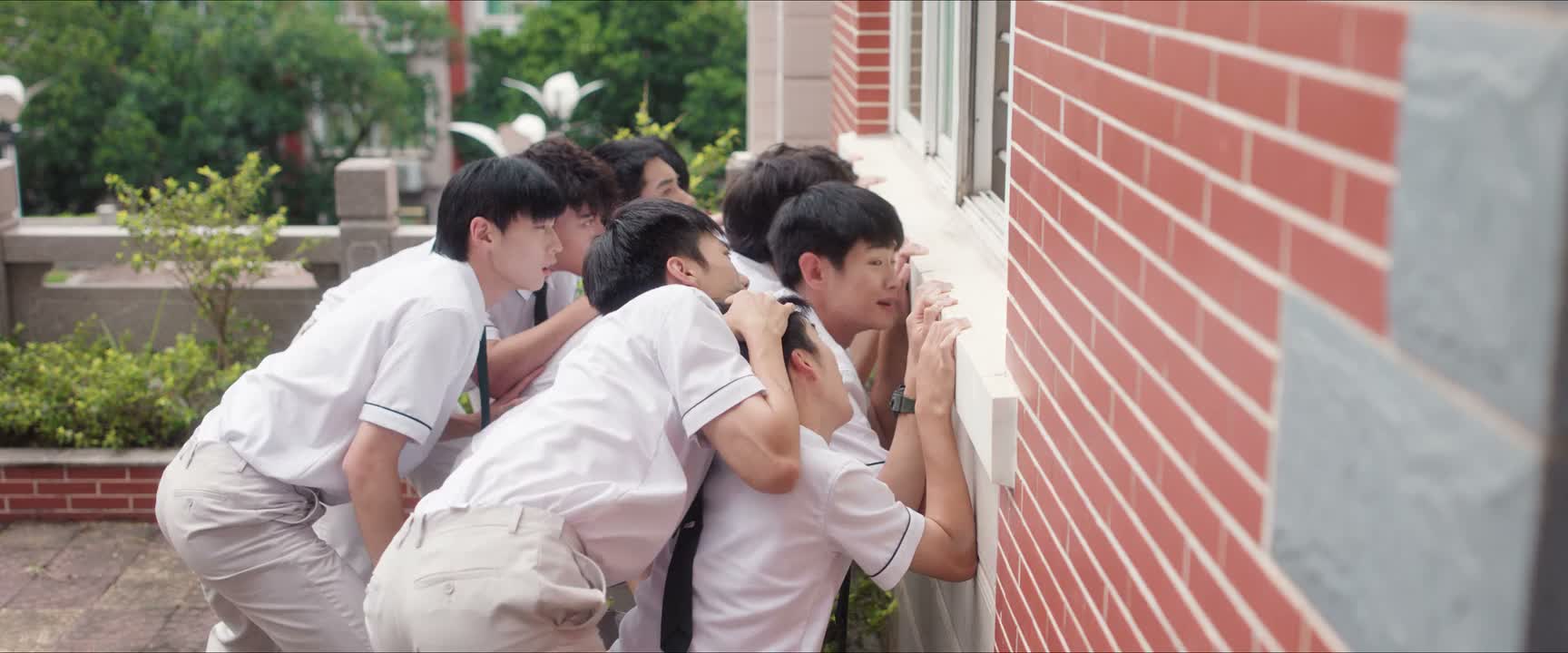 00:03
(以后就不要再组织孩子们踢球了) ── Previous context
“-Right. -That's right. They should just focus on studying.”
 00:02
[Scene: 历史宫廷]
(1 clips) 00:02
(让我来好好伺候您) ── Previous context
“-Lord Chen, -That's more like it. please have a seat.”
[Scene: 其他场景]
(1 clips) 00:03
(还没出院 干嘛呢) ── Previous context
“Jiajia is amazing. You are going to leave here. That's the way.”
[Scene: 警匪刑侦]
(1 clips) 00:02
📌 真棒
→Nuance: 同为夸赞对方坚强康复出院
📌 走走走
→Nuance: 核心认可与赞同意味一致
📌 不愿意
→Nuance: 指责对方不想给,核心意图相同
📌 得了
→Nuance: 核心意图一致可同义互换
📌 在家
→Nuance: 核心交际意图均为好好相处
📌 姐
→Nuance: 同为索要介绍信查看,意图一致