死鬼
sǐ guǐCommon spoken expression used by native Chinese speakers in daily life.
[Scene: 其他场景]
(11 clips)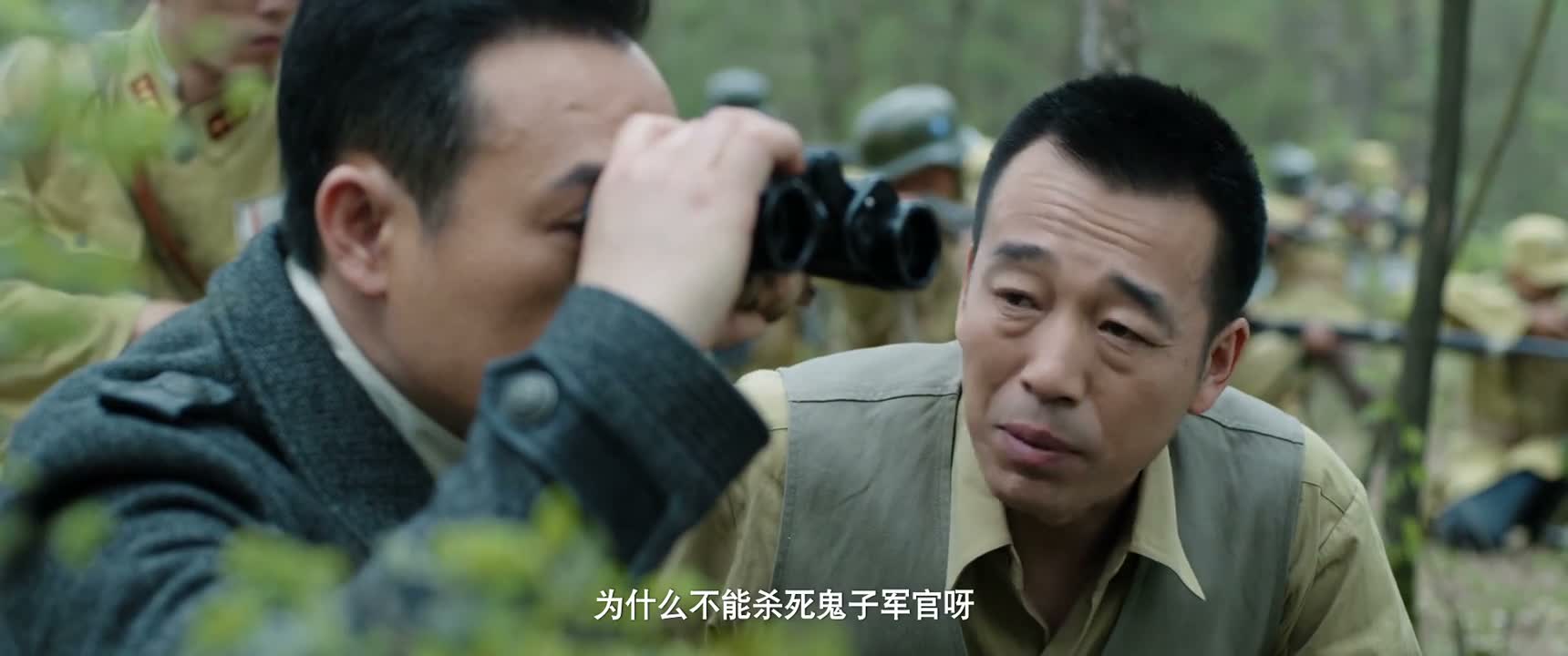 00:02
 00:02
 00:02
 00:03
 00:02
 00:03
(到时候找到我们 并且把我们杀了 那怎么办) ── Previous context
“So, I need to find two decoys. Throw them onto a lifeboat”
 00:02
 00:02
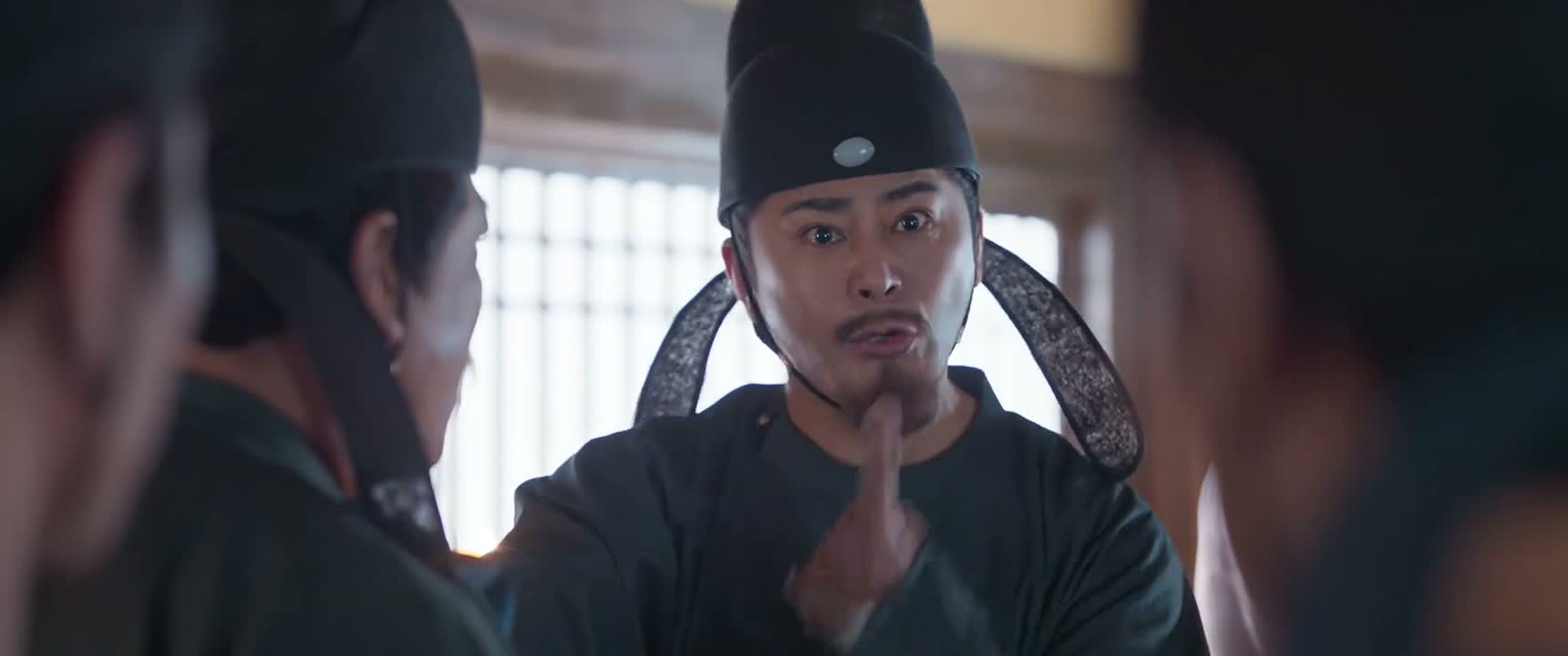 00:02
 00:03
(今日之事 我就既往不咎了) ── Previous context
“I can even find a scapegoat to take the blame for the Li family's illicit foreign trade.”
 00:03
(吕崇山果然坐不住了 他以为他的主子) ── Previous context
“He thinks his master is making him the scapegoat. He's searching everywhere for help escaping the capital.”
[Scene: 餐饮美食]
(4 clips) 00:02
 00:02
 00:03
 00:02
[Scene: 警匪刑侦]
(2 clips) 00:03
(杀你的不是你得罪的人 就是你仰仗之人) ── Previous context
“You've already become the scapegoat for Hanxiao's murder.”
 00:02
[Scene: 其他场景]
(1 clips) 00:02
[Scene: 家庭日常]
(1 clips) 00:03
📌 真是
→Nuance: 核心均指责对方像饿死鬼吃相
📌 不能再
→Nuance: 同向近义词根配对: [不能 ↔ 决不能]
📌 来
→Nuance: 同向近义词根配对: [替身 ↔ 替死鬼]
⚡ 得了
→Contrast: 极性反义对撞: [能 ↔ 不能]
⚡ 过分
→Contrast: 极性反义对撞: [能 ↔ 不能]
⚡ 太过分了
→Contrast: 极性反义对撞: [能 ↔ 不能]
⚡ 我没有
→Contrast: 极性反义对撞: [不能 ↔ 可以]
⚡ 不可以
→Contrast: 极性反义对撞: [不能 ↔ 可以]
⚡ 有能力
→Contrast: 极性反义对撞: [能 ↔ 不能]
⚡ 分了
→Contrast: 极性反义对撞: [能 ↔ 不能]