送到
sòng dàoCommon spoken expression used by native Chinese speakers in daily life.
[Scene: 职场工作]
(6 clips)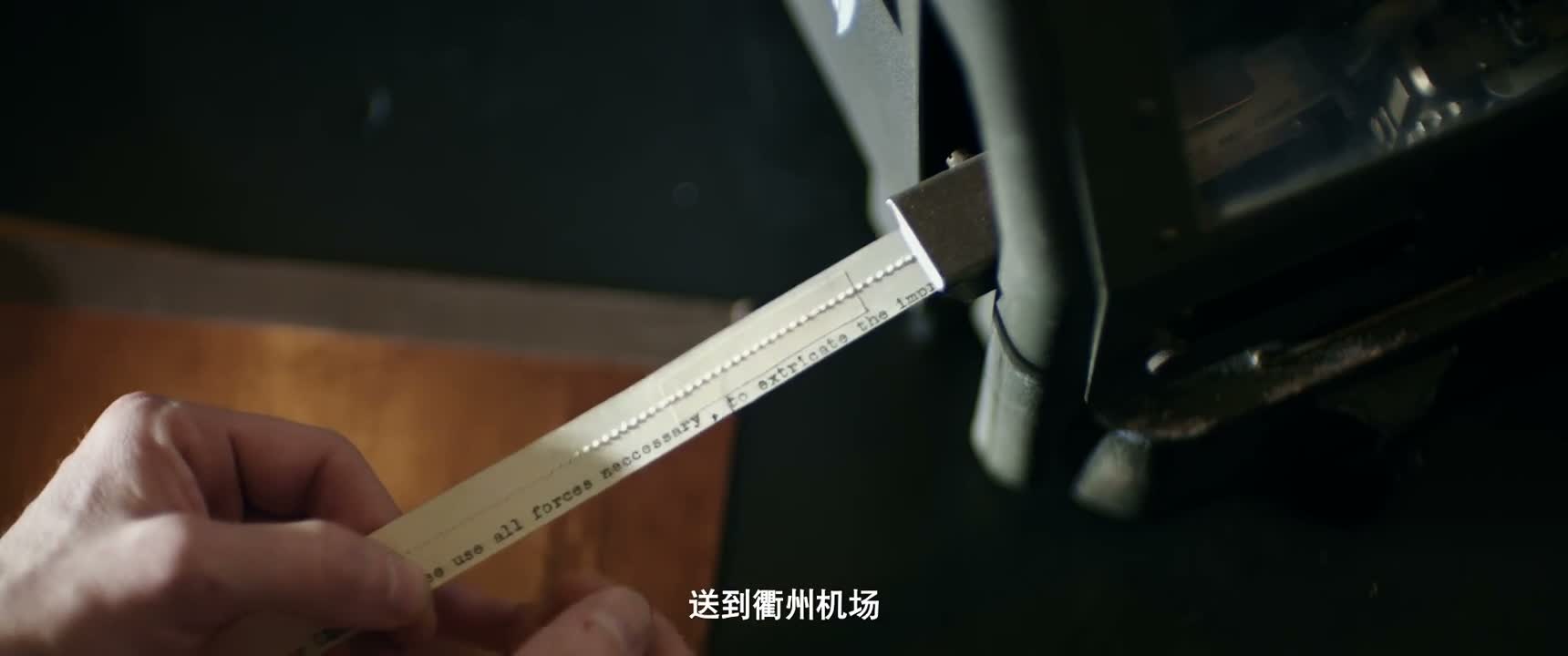 00:02
 00:02
 00:02
 00:02
 00:02
 00:02
[Scene: 其他场景]
(4 clips)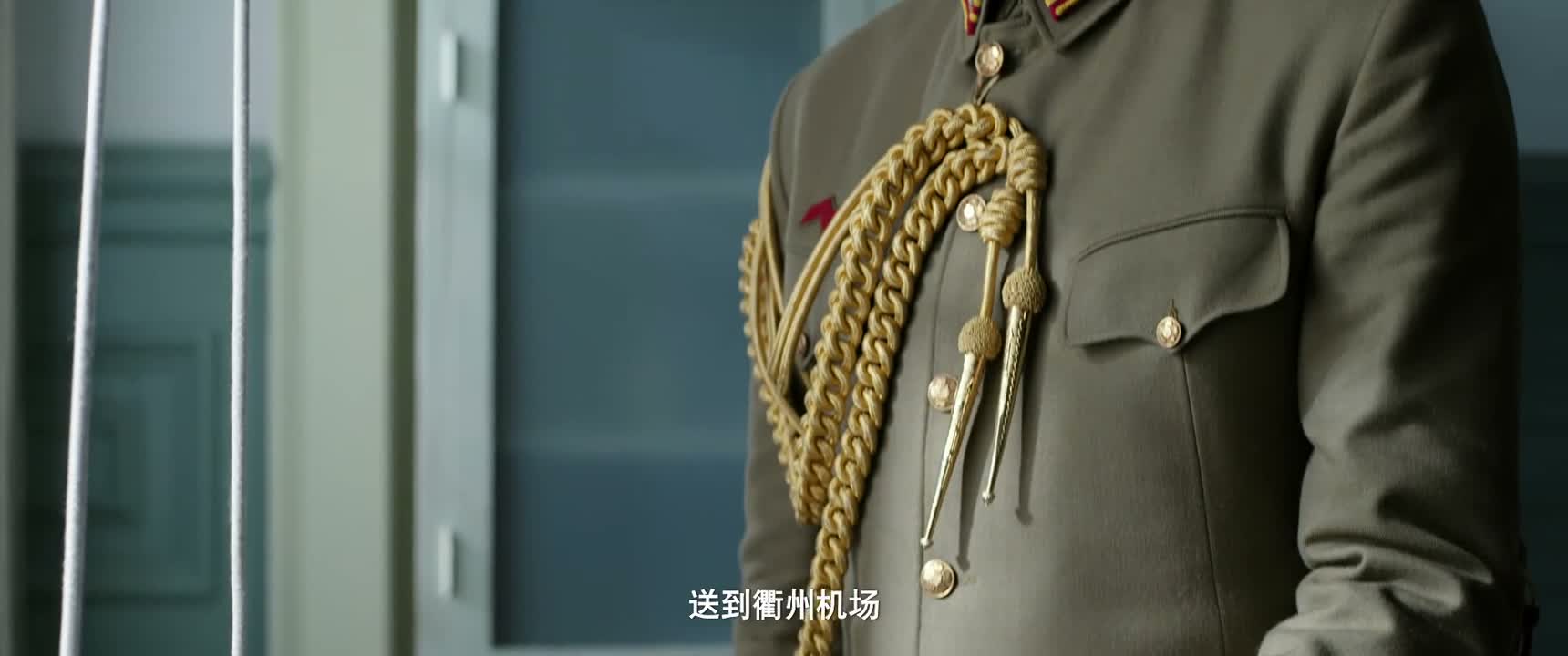 00:02
 00:02
 00:03
(呜呼 痛哉 呜呼 痛哉) ── Previous context
“Today I will send it to the 'Central Daily News'.”
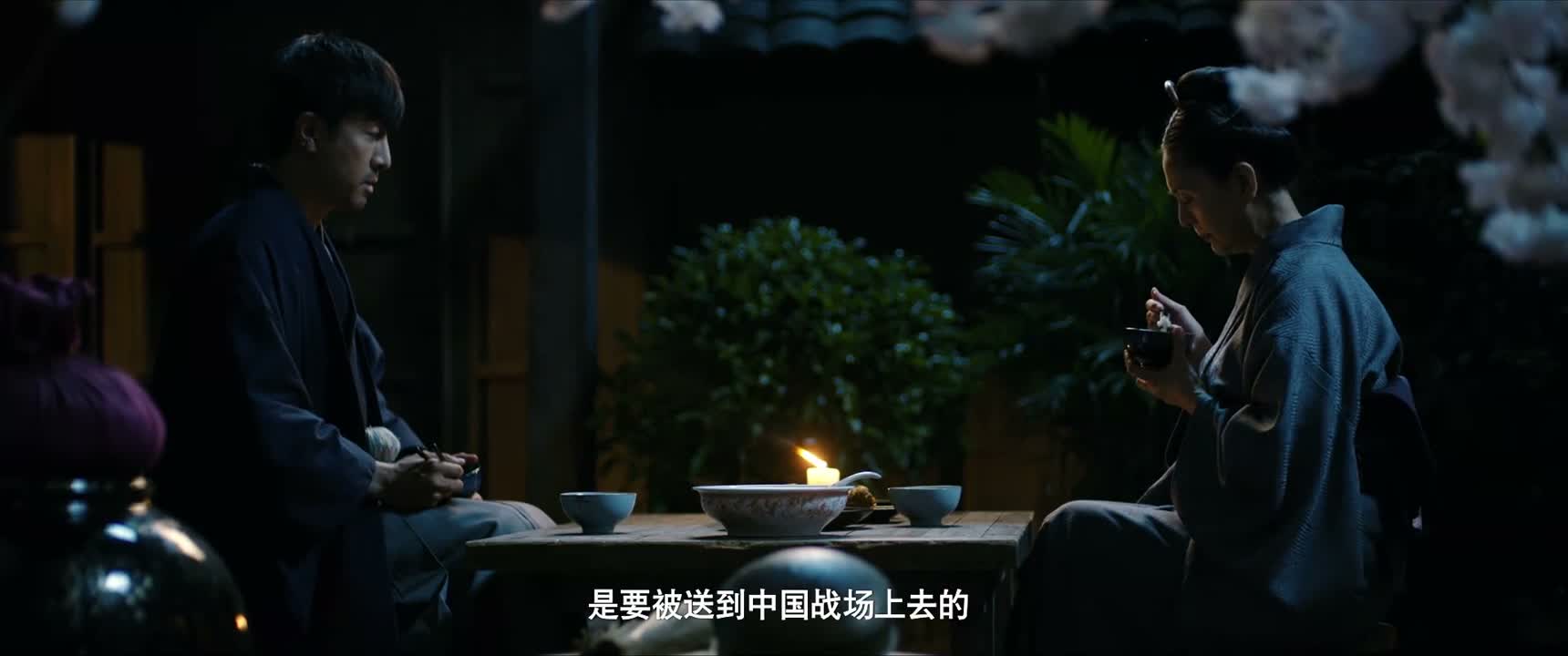 00:02
[Scene: 其他场景]
(4 clips) 00:02
 00:02
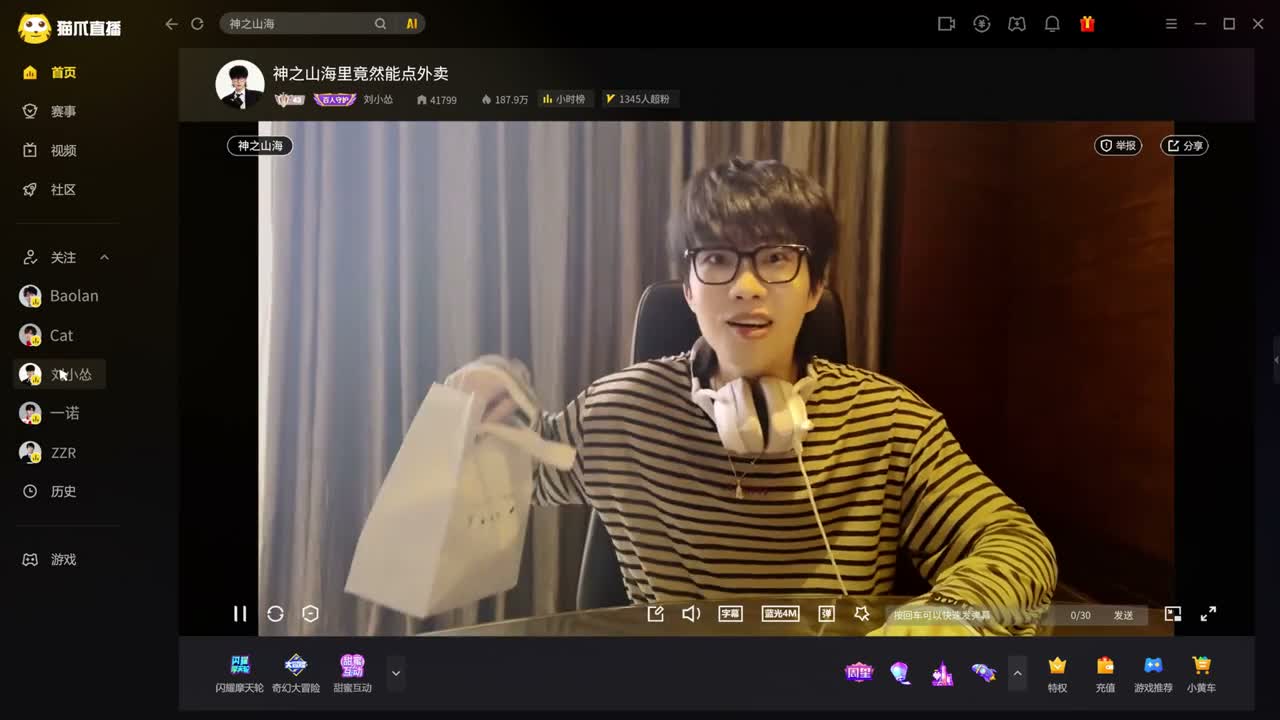 00:03
(我在神之山海里面点外卖 过半个点) ── Previous context
“(Half an hour later, it actually arrived.) (Tengda. Amazing.)”
 00:02
[Scene: 警匪刑侦]
(3 clips) 00:02
 00:03
(我们赶到的时候人已经没了) ── Previous context
“The man was still breathing. He was sent to the hospital.”
 00:03
(把我灌醉了 给我弄了个仙人跳) ── Previous context
“Their original plan was to take me to a hotel”
[Scene: 家庭日常]
(2 clips) 00:03
 00:02
[Scene: 历史宫廷]
(2 clips) 00:03
 00:02
[Scene: 商务沟通]
(1 clips) 00:03
(派司跟货款) ── Previous context
“just have your men deliver the goods to our West Shanghai warehouse.”
[Scene: 餐饮美食]
(1 clips)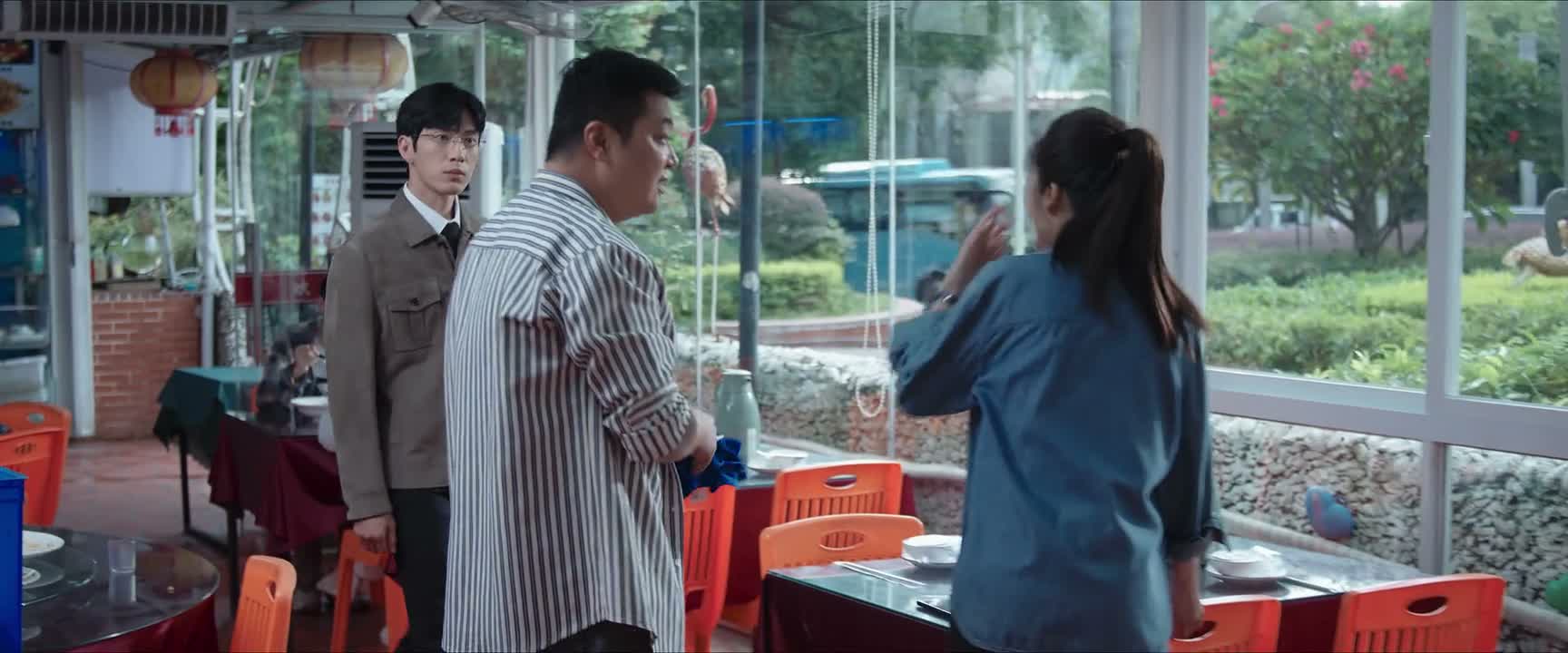 00:03
(今天想吃点什么啊) ── Previous context
“The usual. Two meat and two vegetable dishes, nine portions. Deliver them to the team.”
[Scene: 其他场景]
(1 clips) 00:03
(他有中风史) ── Previous context
“making his condition extremely critical. Fortunately, he was brought to the hospital today.”
[Scene: 社交聚会]
(1 clips) 00:03
(得了吧 上次你送我的东西 我吃了直流鼻血) ── Previous context
“Are you trying to get me hospitalized this time? -Last time... -What about it?”
📌 一起走
→Nuance: 同向近义词根配对: [本来 ↔ 原本]
📌 我先走了
→Nuance: 告辞时的委婉客套表达
📌 我先走了
→Nuance: 同为告辞道别的交际意图
📌 走了
→Nuance: 告辞时的委婉客套表达
📌 走了
→Nuance: 同向近义词根配对: [本来 ↔ 原本]
📌 先走了
→Nuance: 告辞时的委婉客套表达
📌 先走了
→Nuance: 同为告辞道别的交际意图
📌 本来
→Nuance: 同向近义词根配对: [本来 ↔ 原本]
📌 到底
→Nuance: 核心俗语一致,可直接互换