在一块
zài yī kuàiCommon spoken expression used by native Chinese speakers in daily life.
[Scene: 社交聚会]
(16 clips) 00:02
(你以为你是坐月子 还满月 我觉得我们) ── Previous context
“we are in love, just having fun together.”
 00:02
 00:02
 00:03
(虾仔) ── Previous context
“Didn't you say the three of us would be together? Then let's be together forever!”
 00:02
 00:03
(怎么 怎么就那么突然地就 就 就要) ── Previous context
“I... We are already together. So what if we live together?”
 00:03
 00:02
(那你呢) ── Previous context
“I see you and the brigade commander's wife together every day.”
 00:03
(小谦谦) ── Previous context
“it's such a blast. We've been living together for a year now.”
 00:03
(肯定有聊不完的天 说不完的话 诉不完的思念) ── Previous context
“He must cherish every single moment with her.”
 00:02
 00:02
 00:03
 00:03
(我们以前感情 的确是很好很好) ── Previous context
“but that’s because we were still young and played together.”
 00:02
 00:02
[Scene: 其他场景]
(7 clips)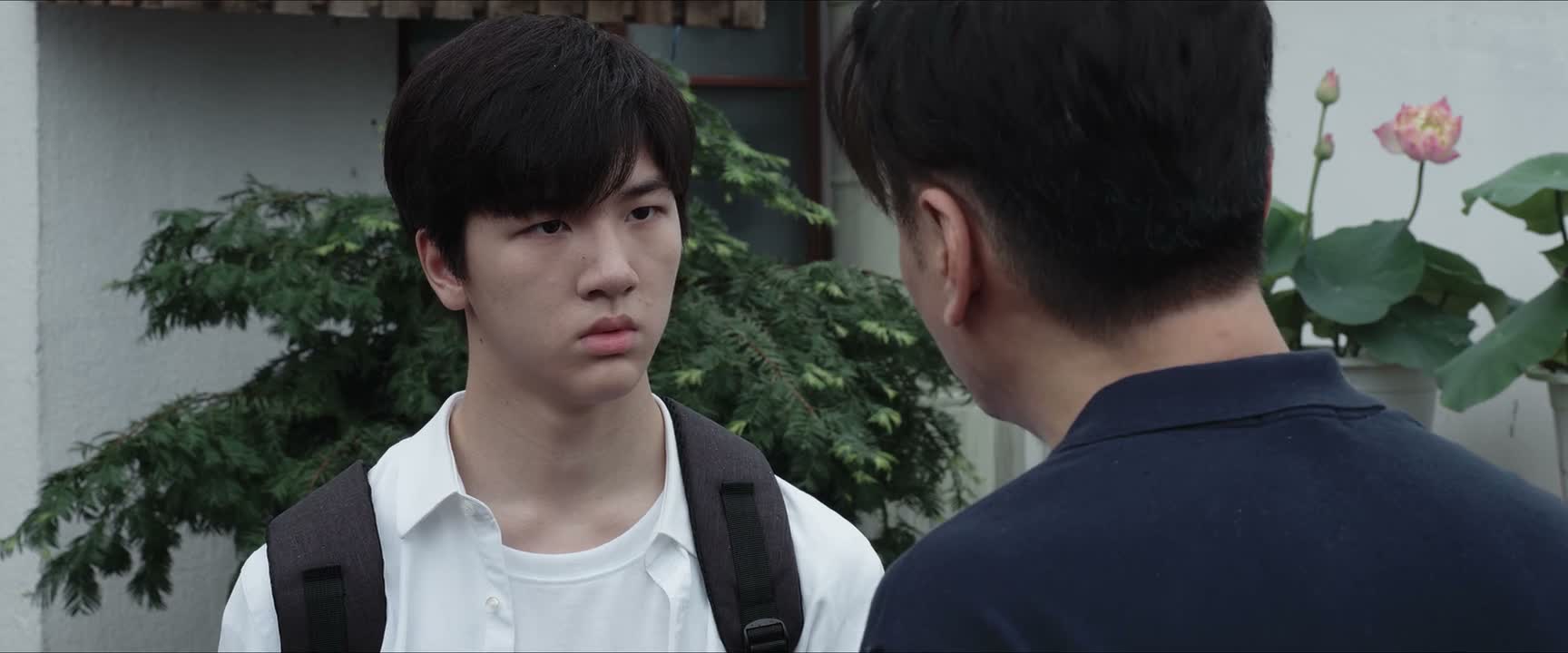 00:03
(你长大了) ── Previous context
“where you want to live and who you want to be with will no longer be my business.”
 00:02
 00:03
 00:02
 00:01
 00:02
 00:02
(我知道了) ── Previous context
“But for future operations, we must stay together, okay?”
[Scene: 家庭日常]
(6 clips) 00:03
(不然你们来了之后啊 可以住自己的房子了) ── Previous context
“As long as the family can live together, it's fine. Whether the house”
 00:02
 00:02
(我从小就跟李尖尖 睡在一张床上) ── Previous context
“If that counts, we should be destined to die”
 00:03
(我们三个托儿所就在一起了) ── Previous context
“Why weren't you together before birth? Perform well in opera.”
 00:02
 00:02
[Scene: 其他场景]
(5 clips) 00:03
(一天没领证 咱俩就不是夫妻) ── Previous context
“(If anyone sees us sleeping together,) it's a conduct problem.”
 00:03
 00:02
 00:03
(随便炫个技能 就能吓你一跳那种) ── Previous context
“Living with someone like that every day, how could I not study?”
 00:02
[Scene: 警匪刑侦]
(3 clips) 00:03
(很得意是吗) ── Previous context
“Zhou Jin is not with Qi Yan. Jiang Hansheng is trying to get information out of him.”
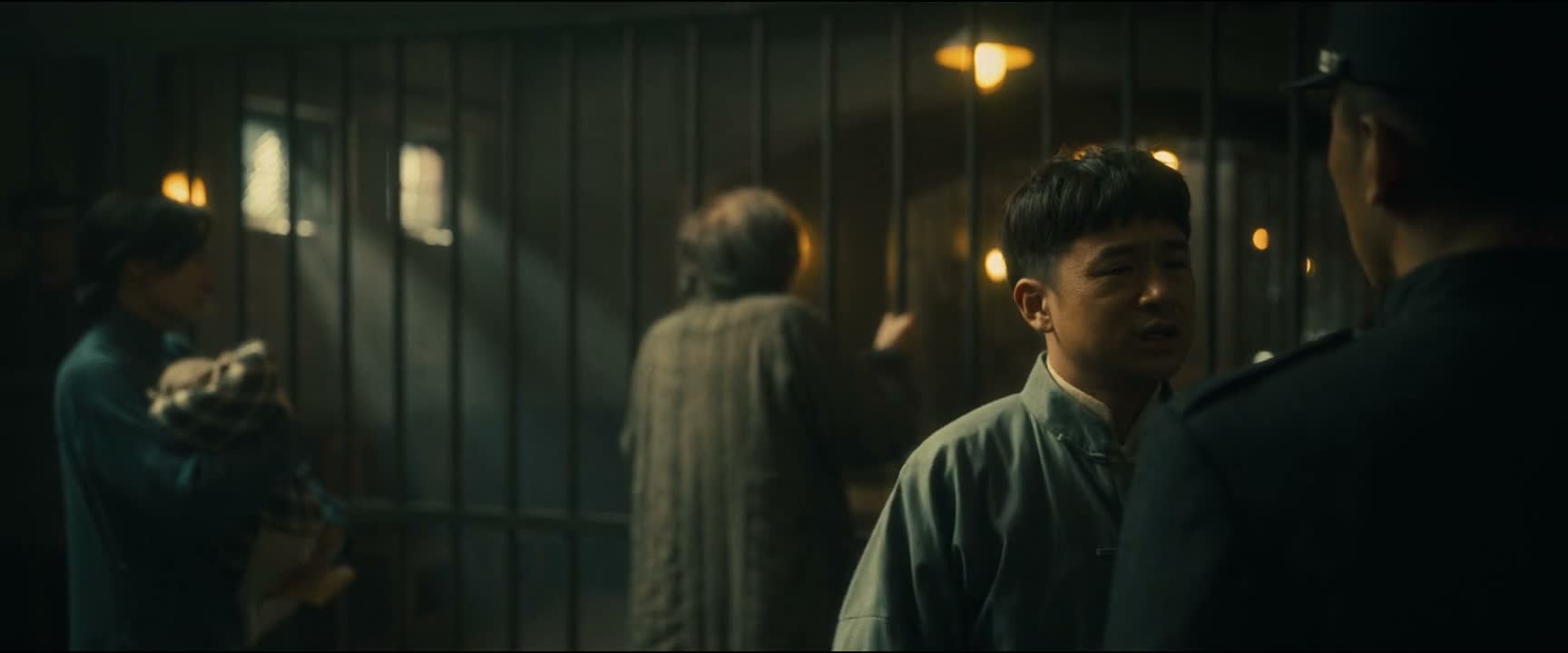 00:03
(走 回牢房 误会啊 藤田先生 老总 老总 您看) ── Previous context
“our family is finally together. It's not easy for us to talk.”
 00:02
(随你去哪儿) ── Previous context
“Anyway, we won't be handling cases together anymore.”
[Scene: 餐饮美食]
(2 clips)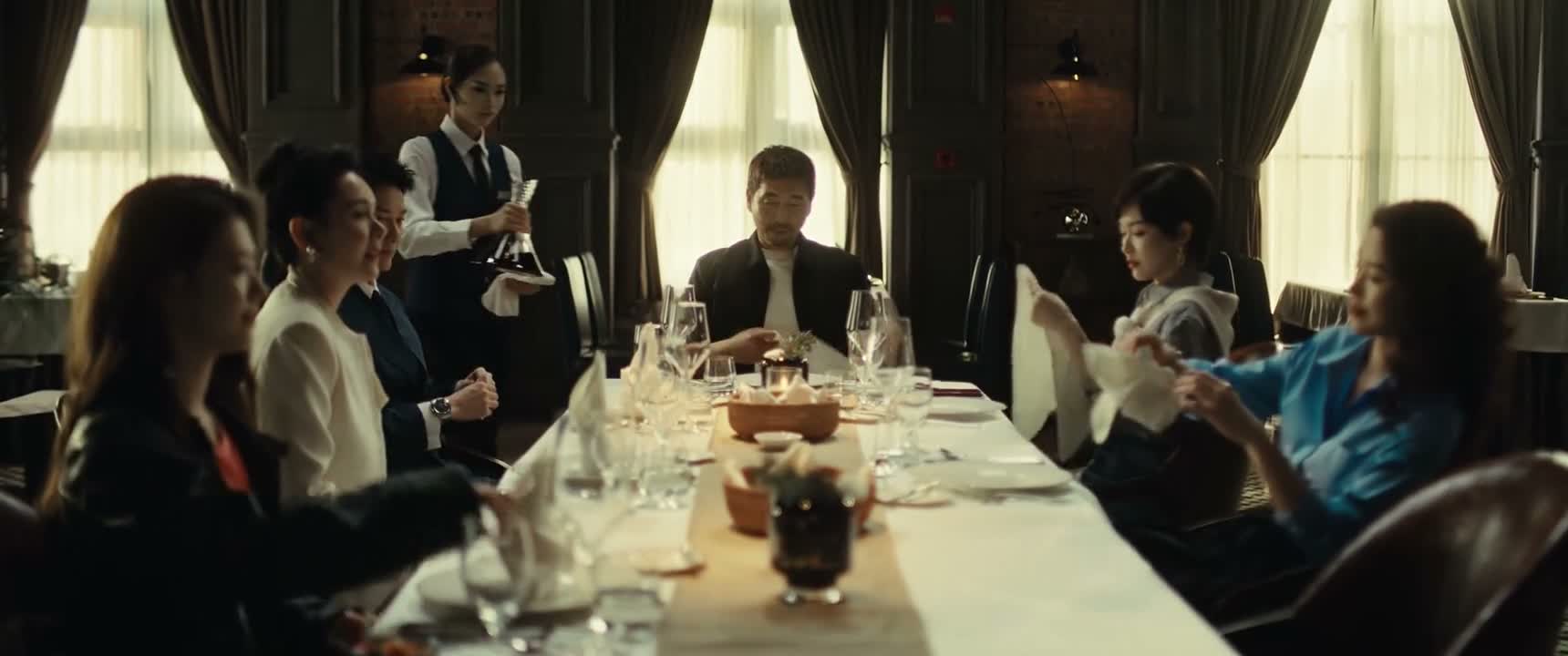 00:02
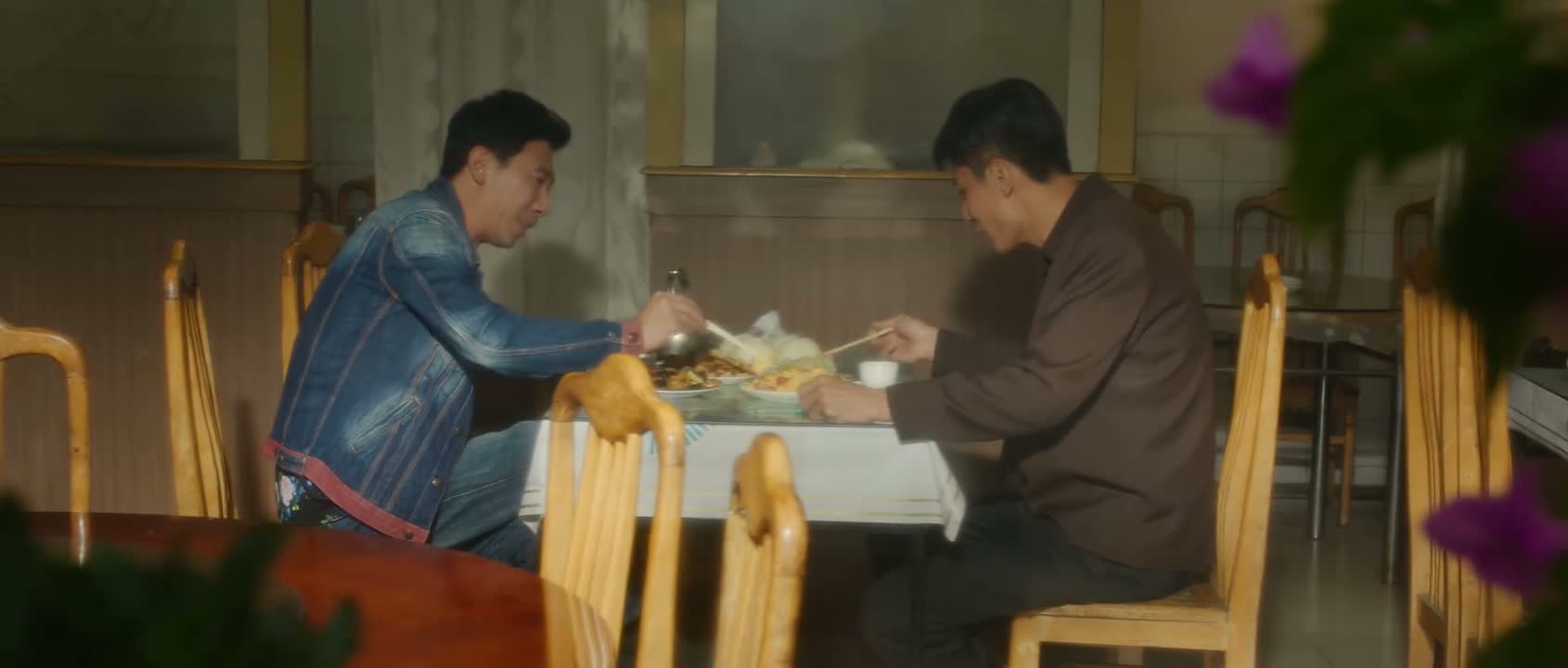 00:02
(没什么了 就吃饭) ── Previous context
“It's been ages since we sat down for a meal together.”
[Scene: 商务沟通]
(1 clips) 00:02
(你错哪儿了) ── Previous context
“You worked with the investor to deceive me, didn't you?”
📌 高兴吗
→Nuance: 同向近义词根配对: [高兴 ↔ 开心]
📌 我跟你说
→Nuance: 同向近义词根配对: [我们 ↔ 咱们]
📌 一个人
→Nuance: 同向近义词根配对: [高兴 ↔ 高高兴兴]
📌 根本就没
→Nuance: 同向近义词根配对: [他们 ↔ 他俩]
📌 是不是
→Nuance: 句式意图高度一致,质疑勾结
📌 又不是
→Nuance: 同向近义词根配对: [恋爱 ↔ 谈恋爱]