纠缠
jiū chánCommon spoken expression used by native Chinese speakers in daily life.
[Scene: 其他场景]
(16 clips) 00:02
 00:03
(送你女儿去家庵修行) ── Previous context
“If you insist on making trouble, it wouldn't be difficult for my household”
 00:02
 00:02
 00:02
 00:02
 00:02
 00:03
 00:03
(请你记住) ── Previous context
“we've already broken up. Please stop pestering me. If you keep this up,”
 00:03
(不是 你俩都 这都分都分开了) ── Previous context
“Can you stop clinging like this? Right there on the street?”
 00:03
(你至今对我们家 退婚之事耿耿于怀) ── Previous context
“But pestering me like this won't change my mind.”
 00:02
 00:02
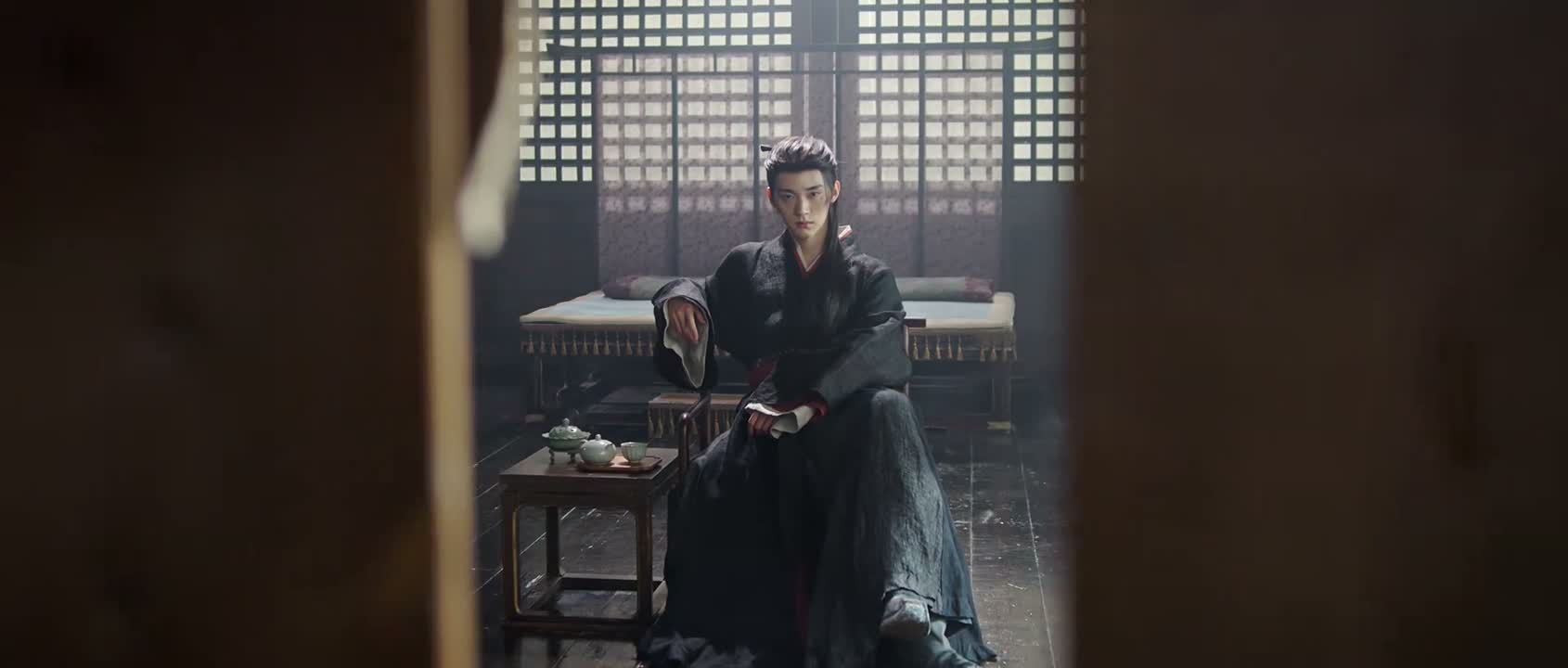 00:02
 00:02
 00:02
[Scene: 社交聚会]
(6 clips) 00:02
 00:03
 00:02
(咱俩大一的时候就认识了 我怎么不知道呢) ── Previous context
“What's with you today? Why keep harping on this?”
 00:02
 00:02
 00:02
(但他联络过你吗 他跟你解释过吗) ── Previous context
“If not, why are you still entangled with him?”
[Scene: 家庭日常]
(2 clips) 00:03
(你撇撇撇(一边去) 把嘴闭上) ── Previous context
“If you dare pester Qin'e and ruin her reputation... Listen,”
 00:02
[Scene: 历史宫廷]
(2 clips) 00:03
(否极泰来) ── Previous context
“These two people are entangled in many karmic connections.”
 00:03
(我是能阻止信王与她见面) ── Previous context
“Or could I stop Lady Wang from pestering His Highness?”
[Scene: 警匪刑侦]
(2 clips) 00:02
 00:02
[Scene: 职场工作]
(1 clips) 00:02
📌 行行行
→Nuance: 同为息事宁人的认输妥协
📌 认错
→Nuance: 同为不再争辩,表达方式略有不同
📌 不管
→Nuance: 皆表妥协退让不再过问
📌 我错了
→Nuance: 同为息事宁人的认输妥协
📌 是吗
→Nuance: 质问对方纠缠话题,表达更委婉
📌 人家
→Nuance: 均表达不再继续纠缠追求对方
📌 真是
→Nuance: 同为责备纠缠,表达方式不同
📌 真是
→Nuance: 同为对慕少君情感纠缠的嘲弄贬斥
📌 不是
→Nuance: 同向近义词根配对: [纠缠 ↔ 胡搅蛮缠]
📌 到底
→Nuance: 同向近义词根配对: [今日 ↔ 今天]