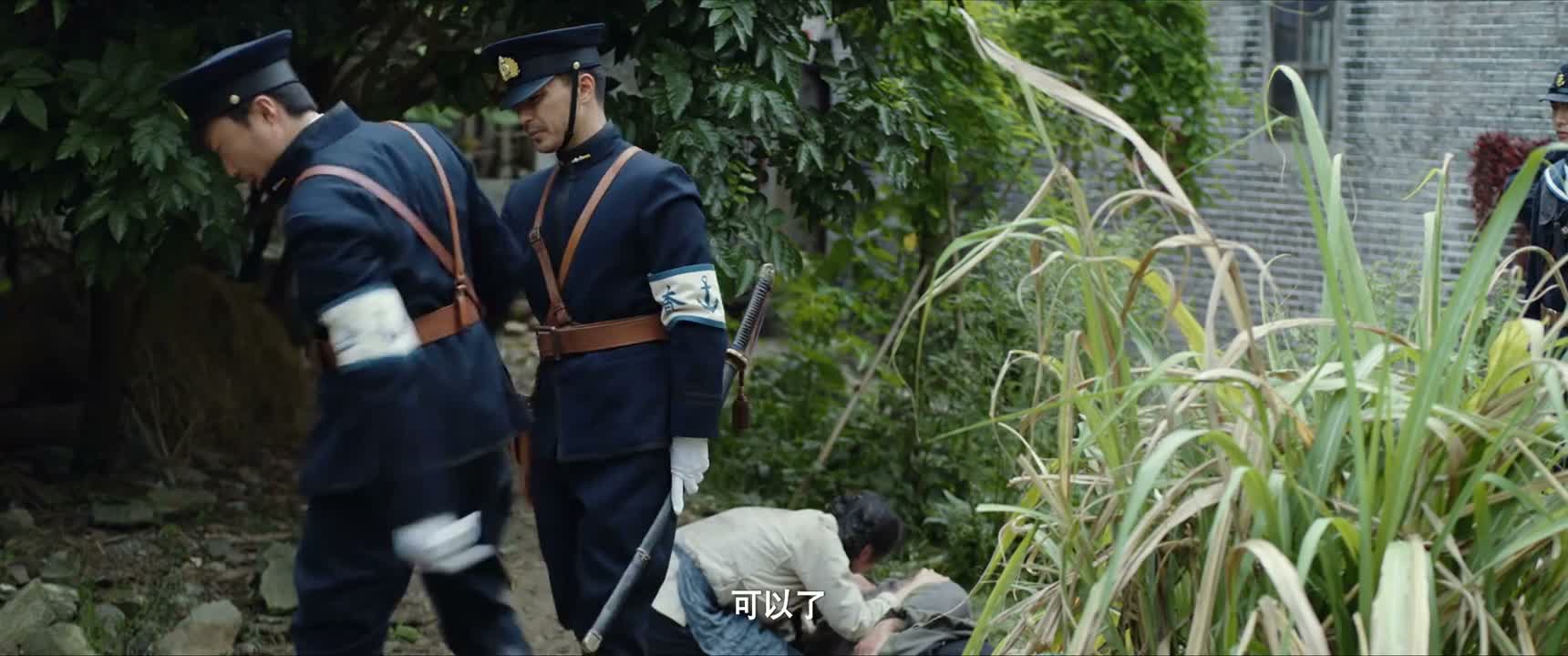
可以了
kě yǐ leCommon spoken expression used by native Chinese speakers in daily life.
[Scene: 职场工作]
(7 clips) 00:03
 00:03
(小尤) ── Previous context
“Alright, alright, that's enough. No need to go into details. No need?”
 00:02
 00:03
(林总 生活哪有什么长远之计 只有长远地流浪) ── Previous context
“He Han's sentimental lines are nice to read.”
 00:02
 00:02
 00:02
[Scene: 餐饮美食]
(4 clips) 00:03
 00:02
 00:02
 00:02
(阿姨 您叫我小宇就行 好 小宇) ── Previous context
“That's enough. That's enough. Let me fill your glass. Here,”
[Scene: 商务沟通]
(3 clips) 00:02
 00:03
(我们没办法垄断全行业的供应 我们能做的) ── Previous context
“is keep the best part for ourselves, and that's enough.”
 00:02
[Scene: 其他场景]
(3 clips) 00:02
 00:03
(我家里还有母亲 你快起来 快起来) ── Previous context
“I'll pay you the full amount, okay? Full amount. There.”
 00:02
[Scene: 社交聚会]
(3 clips) 00:02
 00:02
 00:02
(谢谢) ── Previous context
“Although I think you could've just sent that on WeChat,”
[Scene: 其他场景]
(2 clips) 00:02
 00:02
(新人物 新故事线 非常好玩) ── Previous context
“Scan the code, download it, and register to get started.”
[Scene: 出行交通]
(2 clips) 00:03
(我胡子没刮呢 没事 上来再弄 上来再弄) ── Previous context
“The buffet is on the fourth floor. Give them your room number. Okay.”
 00:02
[Scene: 家庭日常]
(1 clips) 00:02
📌 来来来
→Nuance: 均表达需要盖章/签字生效
📌 一个人
→Nuance: 解释为何要小房,意图一致
📌 一个人
→Nuance: 核心需求一致,不求大/好
📌 别吃
→Nuance: 句式结构平行但动作不同
⚡ 算了
→Contrast: 极性反义对撞: [不可 ↔ 可以]
⚡ 实在不行
→Contrast: 极性反义对撞: [可以 ↔ 不行]
⚡ 不知道
→Contrast: 极性反义对撞: [不能 ↔ 可以]
⚡ 偏吃
→Contrast: 极性反义对撞: [不可 ↔ 可以]
⚡ 你别吃
→Contrast: 极性反义对撞: [不可 ↔ 可以]
⚡ 别吃
→Contrast: 极性反义对撞: [不可 ↔ 可以]