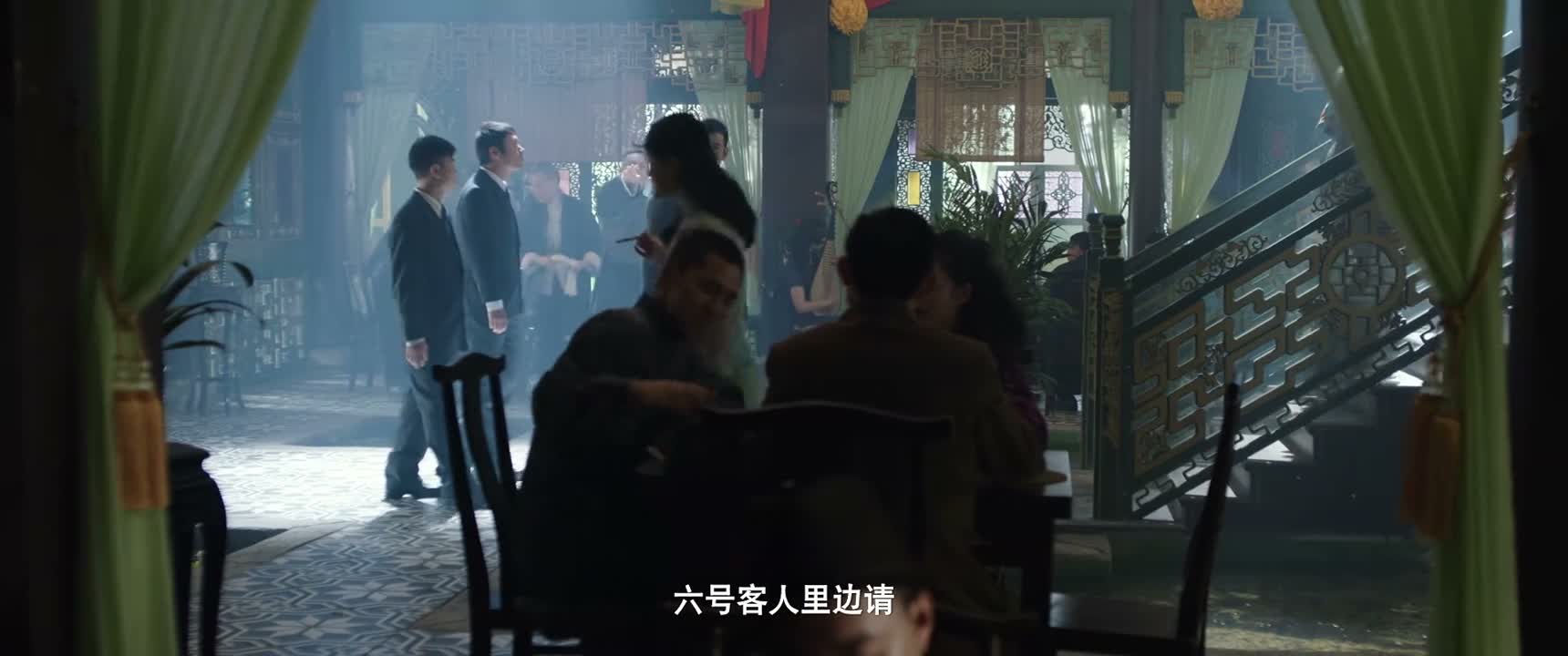
里边请
lǐ biān qǐngCommon spoken expression used by native Chinese speakers in daily life.
[Scene: 餐饮美食]
(8 clips)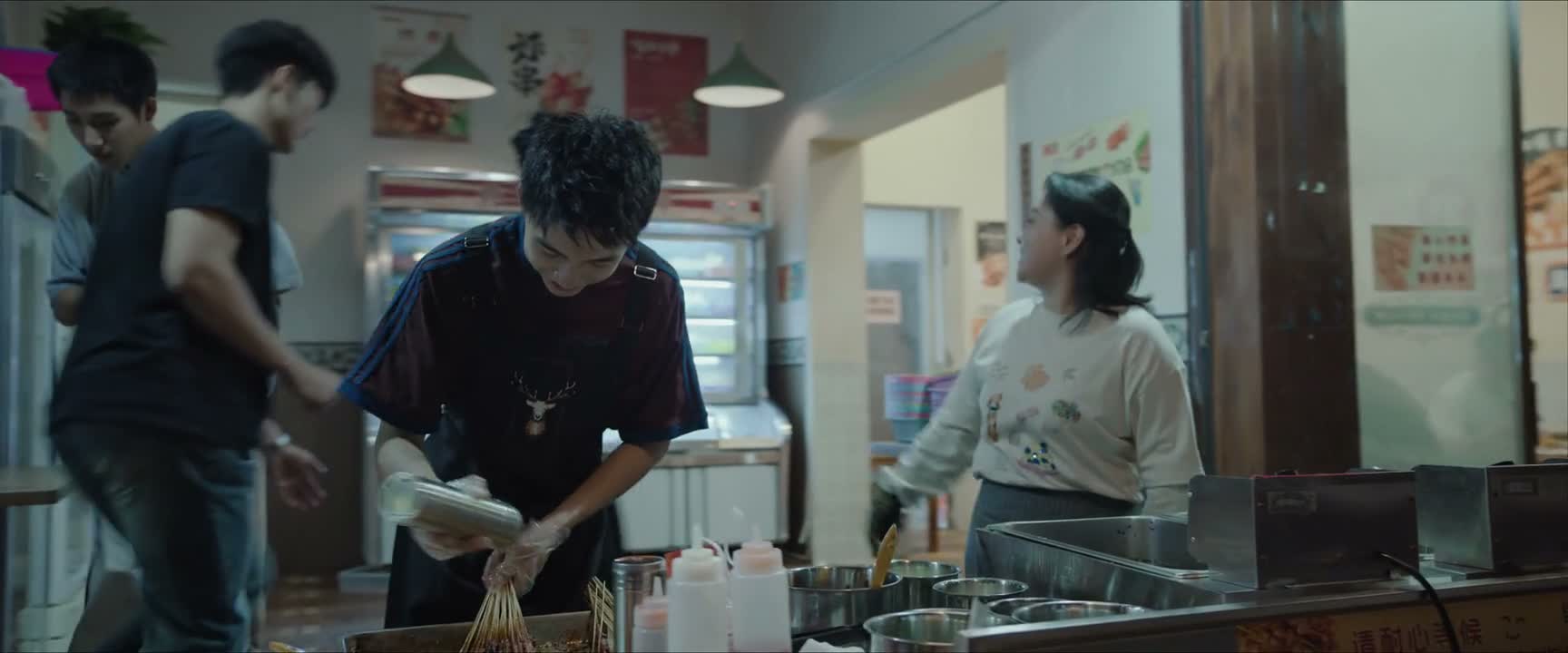 00:03
(你好 丹姐我又来了 来了来了里边坐) ── Previous context
“-Come in and find a table. -Come in. -Feiyang, go easy on the chili. -Help yourself. No problem.”
 00:02
 00:03
(让大家进来 加座位 我安排 来 都进来 都进来) ── Previous context
“Please come in. The boys insisted on coming together. Mr. Li, this is your seat.”
 00:03
(这是卖肉的阿荣 阿荣 安警官这是) ── Previous context
“-Officer An. -Please come in. Brother An, please come in. This is it.”
 00:02
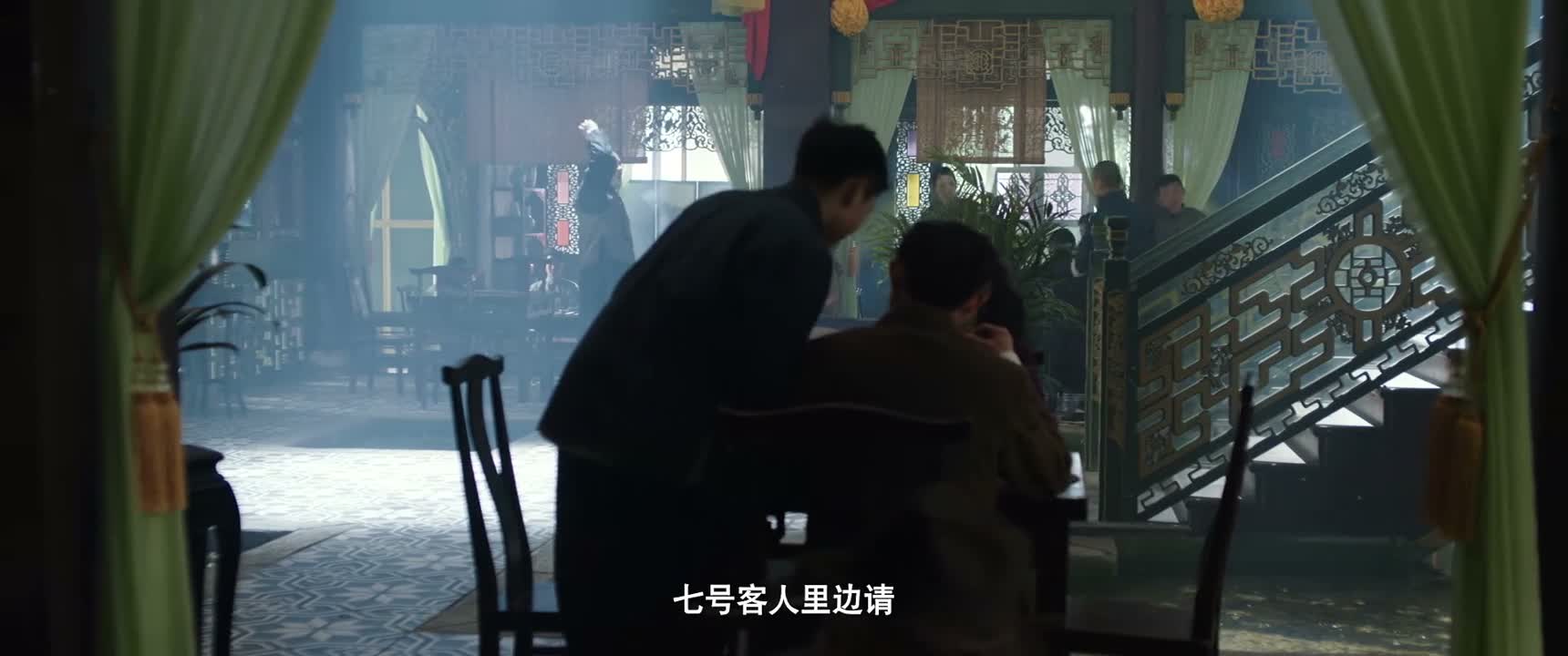 00:02
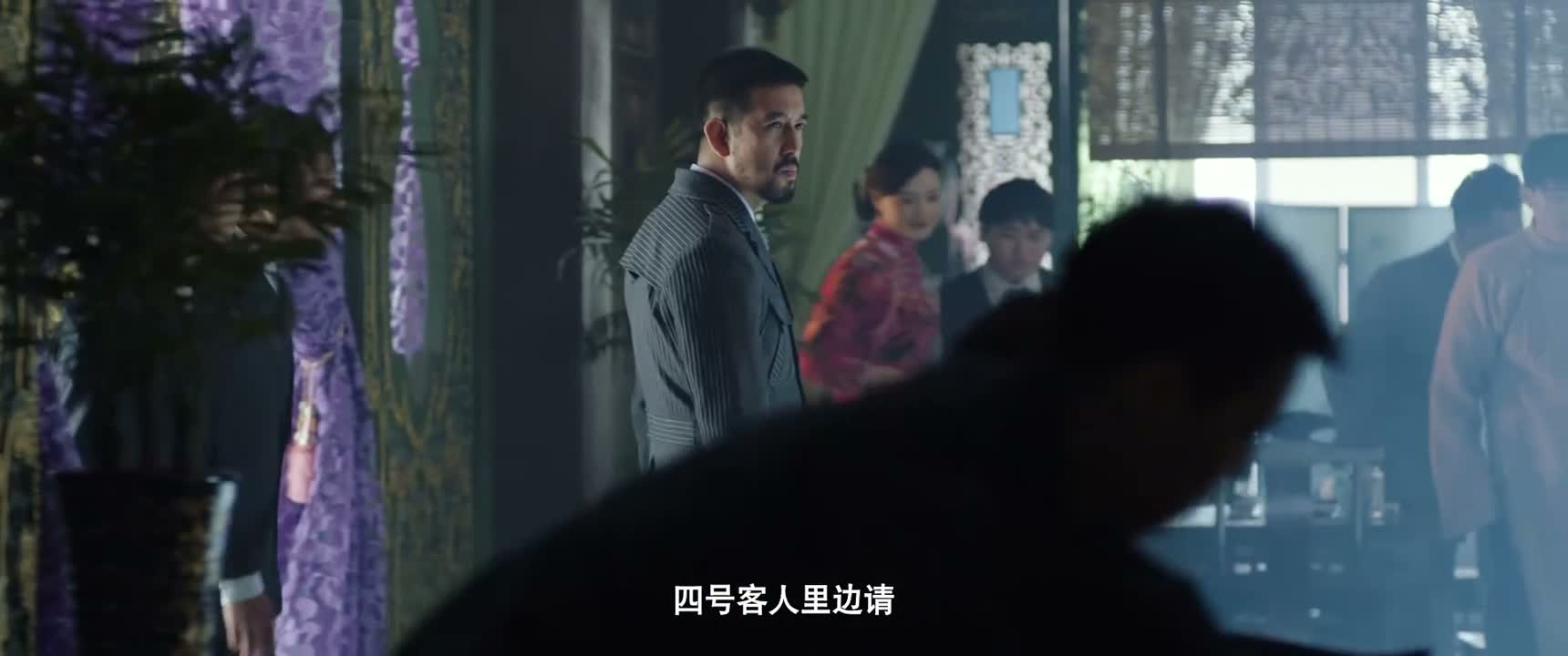 00:02
 00:03
[Scene: 其他场景]
(6 clips) 00:03
 00:02
 00:03
(厉害 走) ── Previous context
“Alright! - Please, come in! - Come on in! This way, please!”
 00:02
 00:02
 00:03
[Scene: 历史宫廷]
(3 clips) 00:02
(放我出去) ── Previous context
“[Luo's Mansion in the Capital] I need to see Old Master Luo for something urgent! Please come in!”
 00:02
(好 - 您里边请 - 里面请) ── Previous context
“- No need for formalities. - Congratulations! - Please come inside. - Congratulations!”
 00:02
[Scene: 家庭日常]
(1 clips) 00:02
[Scene: 社交聚会]
(1 clips) 00:02
[Scene: 出行交通]
(1 clips) 00:03
📌 没事
→Nuance: 同为礼貌招呼客人进门的客套话
📌 我跟你说
→Nuance: 核心交际意图一致,迎客进门
📌 小心
→Nuance: 同为店小二迎客引路常用语
📌 谢谢你
→Nuance: 同为礼貌招呼客人进门的客套话
📌 没问题
→Nuance: 日常迎客招呼语,功能一致可互换
📌 你说
→Nuance: 同向近义词根配对: [警察 ↔ 警官]
📌 来了
→Nuance: 同为招待两位客人的服务用语
📌 来
→Nuance: 同为迎客寒暄,侧重慰问辛劳
📌 来
→Nuance: 同为招待两位客人的服务用语