陪你
péi nǐCommon spoken expression used by native Chinese speakers in daily life.
[Scene: 社交聚会]
(15 clips) 00:03
(你先走吧) ── Previous context
“She's not here yet. Let me keep you company. No need.”
 00:02
 00:02
 00:02
 00:03
(漂亮女强人的鞋子 一定要好好保养) ── Previous context
“so that they can help you go more steadily and further.”
 00:02
 00:03
(我们来汇报个工作 吃口饭也回去了) ── Previous context
“I won't keep you company today then. I have things to do at home. I'm leaving now.”
 00:02
 00:03
 00:02
 00:02
 00:03
 00:02
 00:03
(你买的什么呀 炸鸡吗) ── Previous context
“Do you want me to stay with you, or do you want to be alone for a while?”
 00:03
(周诚) ── Previous context
“now that you're in a bad mood, how about I accompany you to Hangcheng”
[Scene: 家庭日常]
(10 clips) 00:02
 00:03
(变严重了吗 妈) ── Previous context
“What day is your appointment? Do you want me to come with you?”
 00:02
(这段时间呢) ── Previous context
“Lately, I've been pretty busy too. Not much time spent with you.”
 00:03
(现在我们老板人又好 那假也多 公司制度也宽松) ── Previous context
“This time, I'll leave after the Lantern Festival, so I can spend more time with you.”
 00:02
 00:02
(姐姐在家 饿了 我给她去弄点吃的) ── Previous context
“It's okay. I'm not leaving. I'll stay here with you.”
 00:02
 00:03
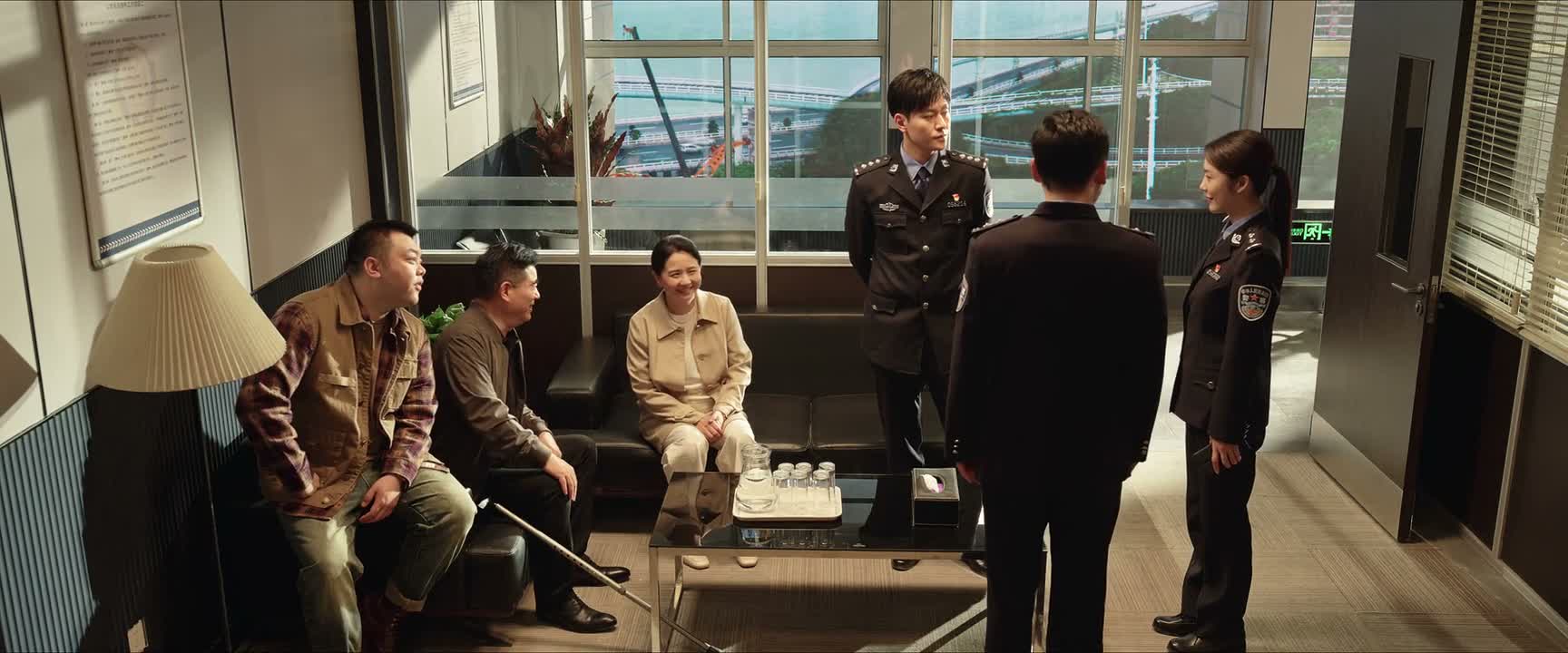 00:03
(看过医生了吗 看过了没什么事 这孩子) ── Previous context
“All right. I'll leave you to chat with your parents.”
 00:02
[Scene: 其他场景]
(6 clips) 00:03
(你有什么损失吗 我得你什么天大的好处了吗) ── Previous context
“I had meals with you. I played golf for your business.”
 00:03
(我还陪你吃饭 我陪你应酬 我陪你打高尔夫) ── Previous context
“I was even in love with you. You don't need to say that.”
 00:02
 00:02
 00:02
 00:02
[Scene: 其他场景]
(4 clips) 00:03
(不是 你干吗去 我请你吃宵夜) ── Previous context
“Wait, I came straight after work to be with you. I put in efforts.”
 00:02
 00:02
(不管是 小动物还是人) ── Previous context
“they can only walk with you for part of the journey.”
 00:02
[Scene: 餐饮美食]
(2 clips) 00:03
(但是呢 如果两位大哥 愿意给我一次赎罪的机会) ── Previous context
“I'll set up another gathering next time. I'll definitely drink with you”
 00:02
[Scene: 其他场景]
(2 clips) 00:02
 00:02
[Scene: 其他场景]
(1 clips) 00:02
(电子的行吗我手机里有 扫这里) ── Previous context
“I'll take care of this. Go accompany your mother.”
📌 多好啊
→Nuance: 均表未能留下陪伴的遗憾意图
📌 没事
→Nuance: 交际意图一致,均表示来电看房
📌 你看看
→Nuance: 交际意图一致,均表示来电看房
📌 相亲
→Nuance: 同向近义词根配对: [一生 ↔ 一辈子]
📌 一个人
→Nuance: 核心交际意向相近,可替换
📌 我先走了
→Nuance: 核心交际意图完全一致可互换
📌 待会
→Nuance: 同为询问是否需要陪伴的变体
📌 陪你喝
→Nuance: 均为主动作陪喝酒,意图一致