习惯了
xí guàn leCommon spoken expression used by native Chinese speakers in daily life.
[Scene: 社交聚会]
(13 clips) 00:02
 00:02
 00:02
 00:02
 00:02
 00:02
 00:02
 00:03
(小谦谦 别这么叫我) ── Previous context
“I've called you that since childhood. What should I call you?”
 00:02
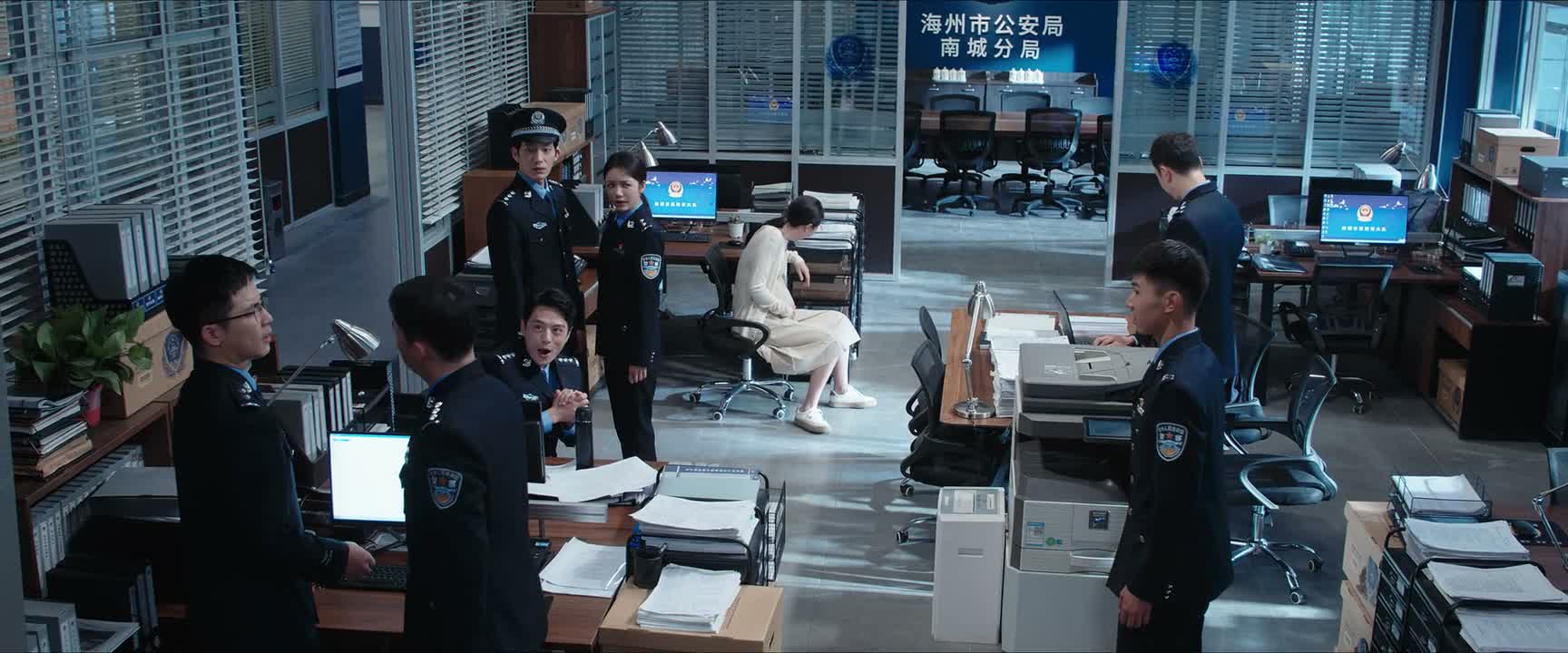 00:03
 00:03
(我们俩不合适) ── Previous context
“I have been single for so many years. I'm used to it already.”
 00:02
 00:02
[Scene: 家庭日常]
(5 clips) 00:03
 00:02
 00:03
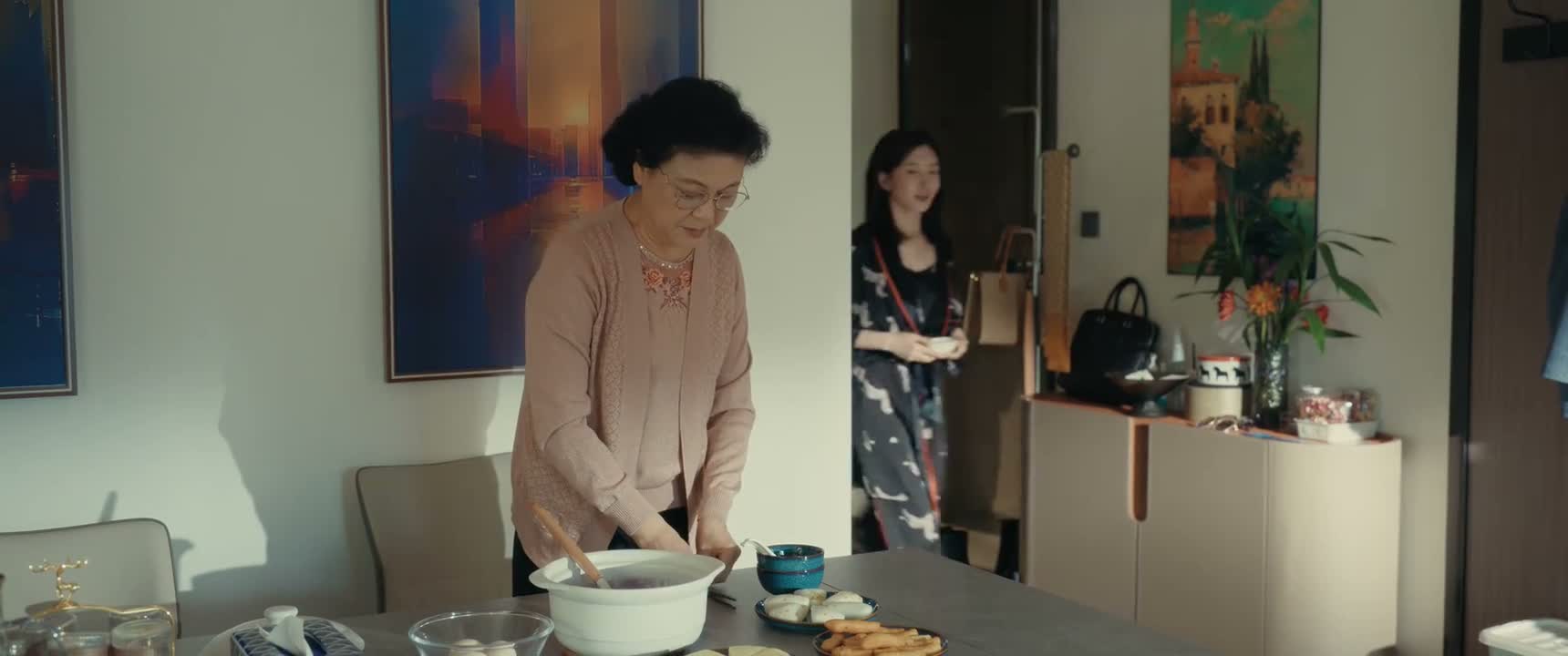 00:02
(看你爸妈忙得 连说句话的工夫都没有) ── Previous context
“They've always been like that, working their whole lives. They just can't stop.”
 00:02
[Scene: 其他场景]
(3 clips) 00:02
 00:03
 00:03
(你咋不回宿舍 好好睡一觉啊) ── Previous context
“This is how I napped at school. I'm used to it.”
[Scene: 职场工作]
(3 clips) 00:02
(你总是让人出其不意) ── Previous context
“After working with you for so long, I've gotten used to it.”
 00:03
(是 捯饬得是不错) ── Previous context
“But you're such a tomboy. Everyone's used to seeing you that way.”
 00:02
(安郡王) ── Previous context
“you're accustomed to the procedures of the Three Judicial Offices.”
[Scene: 餐饮美食]
(1 clips) 00:03
[Scene: 历史宫廷]
(1 clips) 00:03
(楚都的流言蜚语 从未断过) ── Previous context
“I'm used to tolerating them and not arguing back.”
[Scene: 其他场景]
(1 clips) 00:02
[Scene: 出行交通]
(1 clips) 00:02
(我说带斗笠说对了吧 我们鱼塘镇就这样) ── Previous context
“You'll get used to it. Xiaoyue is smart.”
📌 没事
→Nuance: 省略主语并追加安慰
📌 没事
→Nuance: 均表适应接纳且表宽慰
📌 一个人
→Nuance: 表达习惯独处的生活状态
📌 一个人
→Nuance: 表达独居习惯,意图完全一致
📌 定居在新加坡
→Nuance: 均表达在新加坡长期居住生活
📌 就知道
→Nuance: 同向近义词根配对: [已经 ↔ 早就]
📌 是吧
→Nuance: 核心交际意图一致可互换
📌 知道了
→Nuance: 同向近义词根配对: [已经 ↔ 早就]
📌 就是我
→Nuance: 均表适应接纳且表宽慰