这货
zhè huòCommon spoken expression used by native Chinese speakers in daily life.
[Scene: 其他场景]
(8 clips)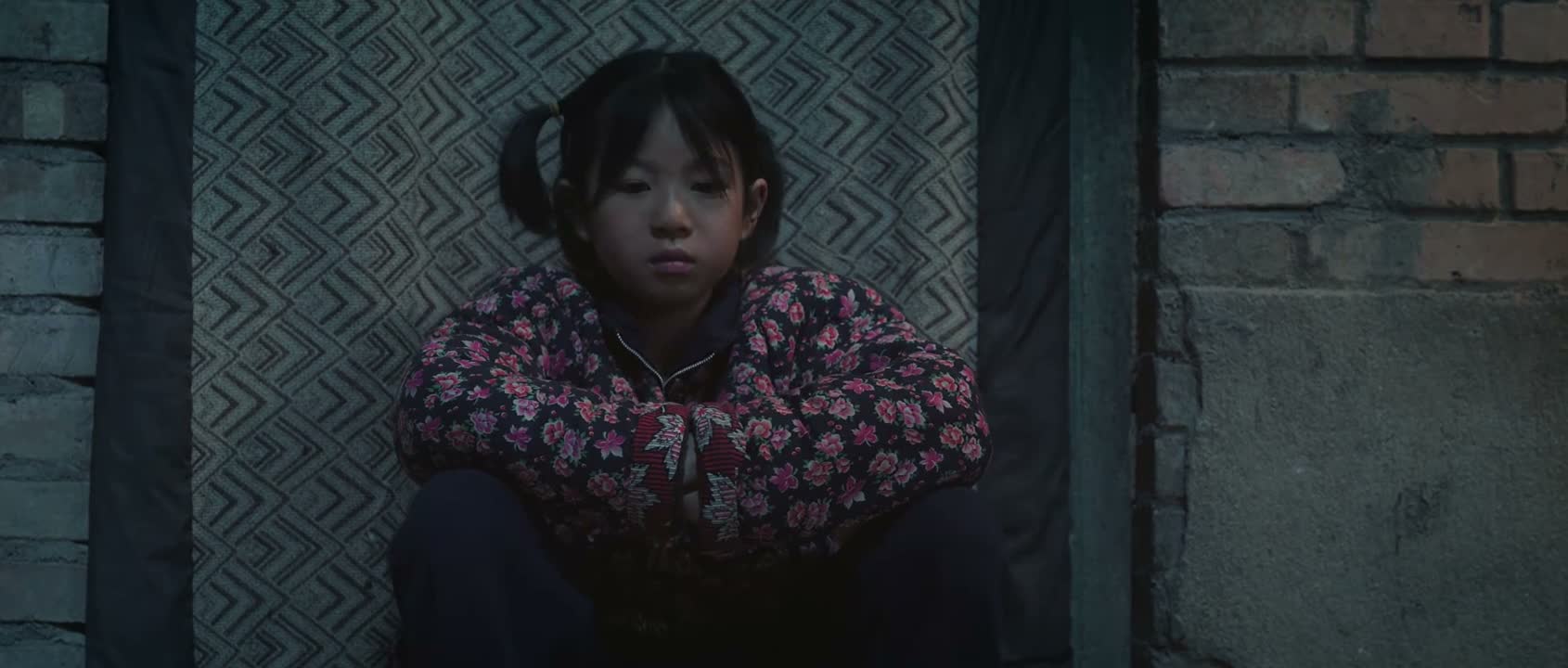 00:02
 00:03
(开什么玩笑呢) ── Previous context
“I'm the one selling the goods. I take the highest risk.”
 00:02
 00:03
(八一) ── Previous context
“You, stop right there! Stop right there! Don't run!”
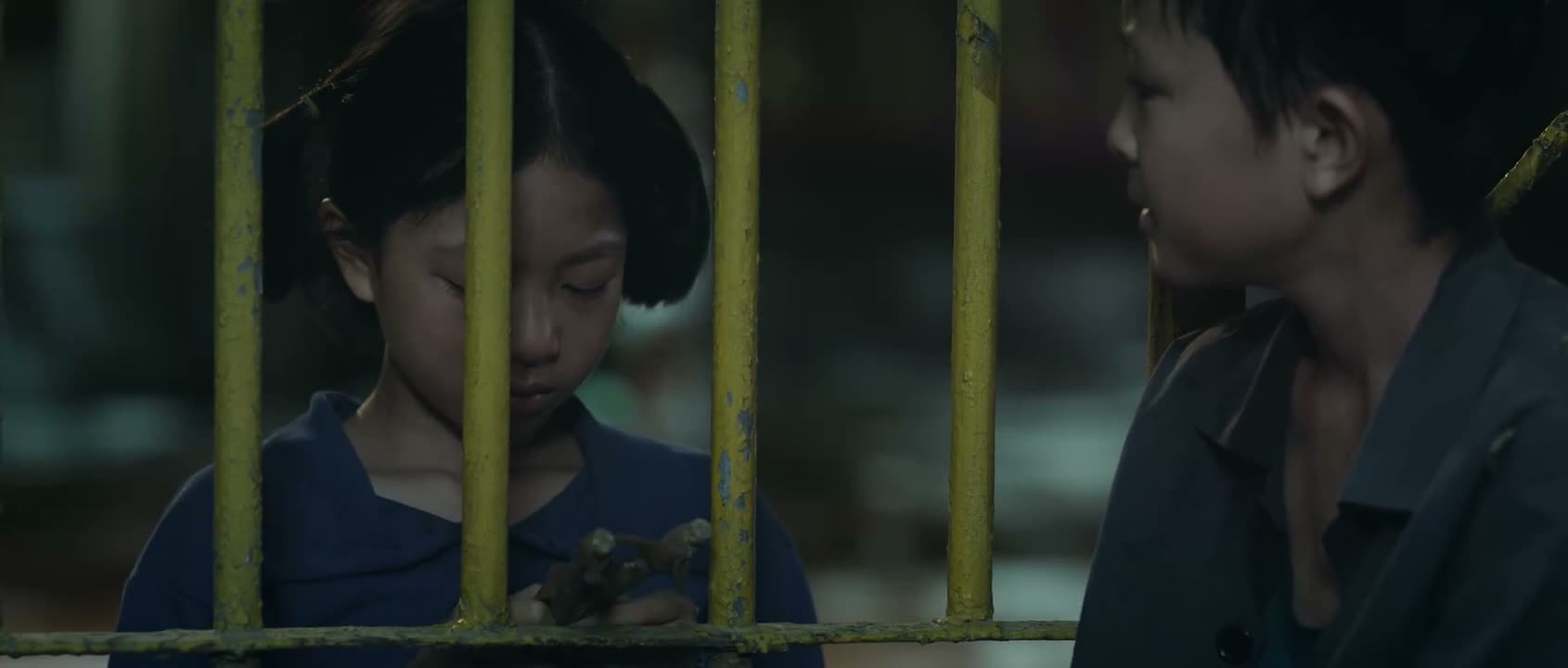 00:02
 00:03
(啥没见过) ── Previous context
“I know all his little tricks. I'd take him down.”
 00:03
 00:03
[Scene: 其他场景]
(4 clips) 00:02
 00:02
 00:02
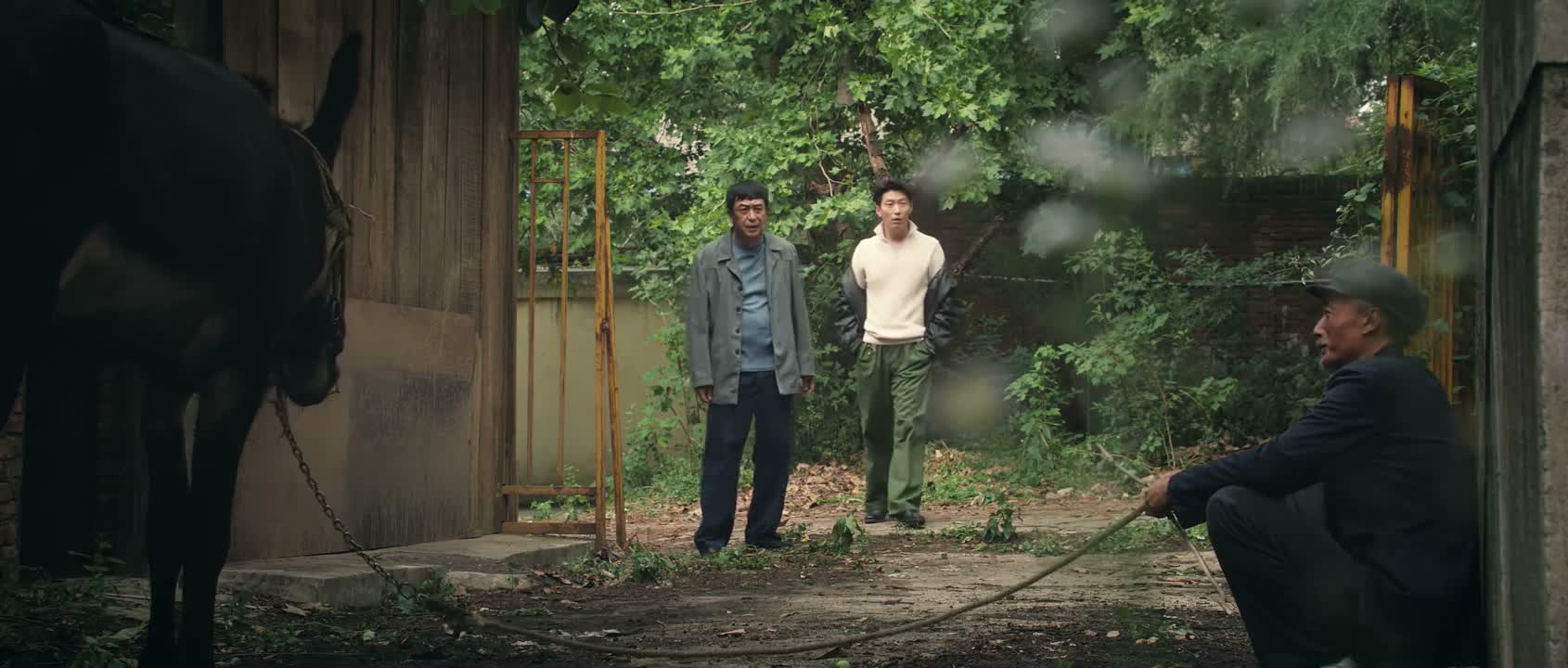 00:02
[Scene: 商务沟通]
(3 clips) 00:03
(来 诸位都看一看啊 我们的烟炱品质上乘) ── Previous context
“This stuff doesn't look that great. It looks a bit grayish. Exactly.”
 00:03
 00:02
[Scene: 警匪刑侦]
(3 clips) 00:02
 00:02
 00:02
[Scene: 职场工作]
(3 clips) 00:03
(团长) ── Previous context
“He's been possessed. Who's been possessed? Tell me!”
 00:03
(你去 盯着她 盯啥 盯忆秦娥嘛) ── Previous context
“That guy must be talking to Yi Qin'e. Watch closely.”
 00:03
(我请个假) ── Previous context
“You're just causing trouble. You just think the troupe underpays you.”
[Scene: 家庭日常]
(2 clips) 00:02
 00:03
(我是打算带她姐出来的) ── Previous context
“I should've brought her sister and left her in the mountains to herd sheep”
📌 没人
→Nuance: 同为贬低物品品质,意图一致
📌 跑什么
→Nuance: 核心均为喝止对方逃跑
📌 干什么
→Nuance: 意图相同,表达更书面化
📌 真是
→Nuance: 用敬语委婉表达相同调侃
📌 不是
→Nuance: 核心均指某人仍保留着照片
📌 省心
→Nuance: 同指责对方令人烦心
📌 跑了
→Nuance: 阻拦对方逃跑,核心意图一致
📌 到底
→Nuance: 同指被迷惑,表达更地道委婉
📌 来
→Nuance: 同向近义词根配对: [哪里 ↔ 哪儿]