出卖
chū màiCommon spoken expression used by native Chinese speakers in daily life.
[Scene: 其他场景]
(15 clips) 00:02
 00:02
(小白鞋 我跟你说啊 你装哑巴都是徒劳的) ── Previous context
“There were two pillows on that bed. They've already given you two away.”
 00:02
 00:02
 00:02
 00:03
(这都是你自己的选择) ── Previous context
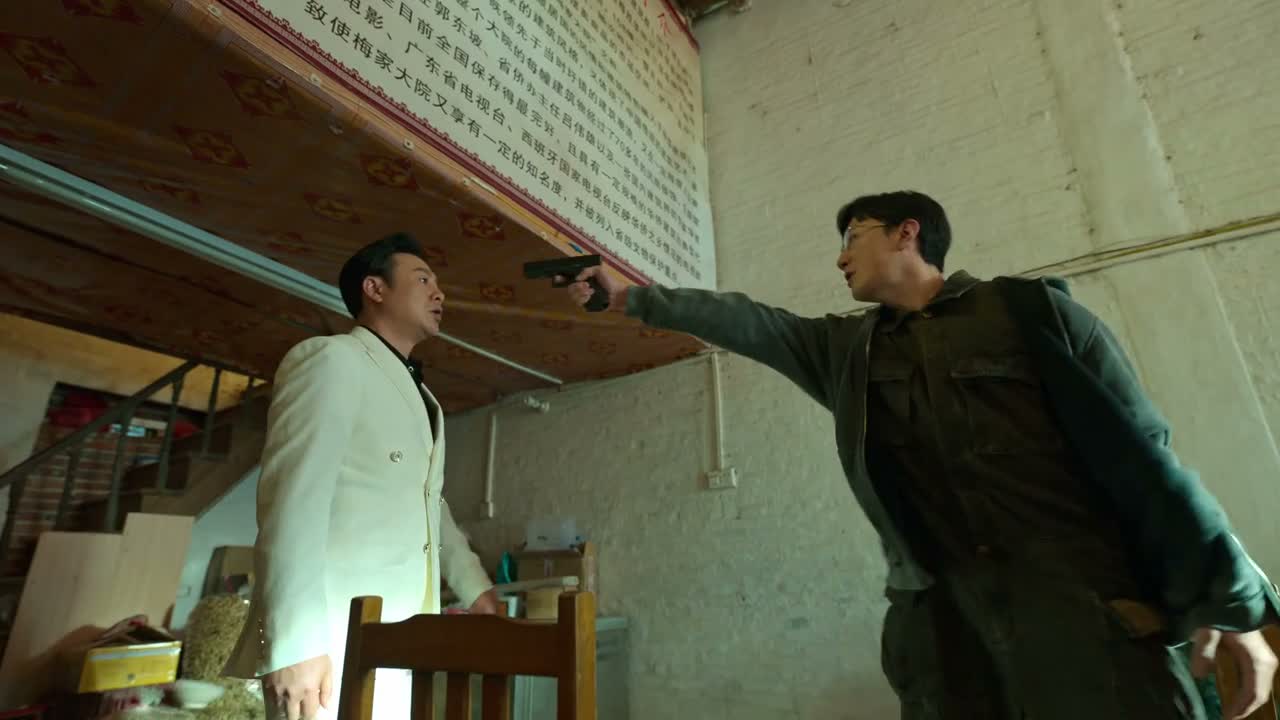
“You chose to sell your body and soul. Who else can you blame?”
 00:04
(为什么要杀档案馆的人) ── Previous context
“Who are you? Who betrayed the Archives? You don't need to know.”
 00:02
 00:02
 00:02
 00:03
(更何况姚卫海 孟俊峰死得那么惨) ── Previous context
“Do you think I'll let go of the one who betrayed them behind their backs?”
 00:02
 00:02
 00:02
(还是得区别对待吧) ── Previous context
“For those bad people who betray their fellow villagers,”
 00:02
[Scene: 历史宫廷]
(5 clips) 00:03
(是想引起我的怀疑) ── Previous context
“You wanted me to suspect that someone had betrayed me.”
 00:02
 00:02
 00:03
 00:03
(巧) ── Previous context
“Are you suspecting Shen Wan colluded with the assassins, betrayed her parents,”
[Scene: 社交聚会]
(2 clips) 00:03
(那怎么办啊? 现在有两个办法) ── Previous context
“I can bring the adults here, but you can't betray me.”
 00:02
(她是和以前不一样了) ── Previous context
“But she wouldn't go so far as to sell her soul for money.”
[Scene: 其他场景]
(1 clips) 00:03
(不怕我回去告诉你妈 和你二叔啊) ── Previous context
“Hello, Mrs. Guan. Hello, hello. Mrs. Guan, you won't sell me out.”
📌 放心
→Nuance: 同表懂规矩,语气更委婉保证
📌 我跟你说
→Nuance: 同指看穿对方心意,表达更委婉
📌 你定
→Nuance: 同为指责背叛勾结恶势力
📌 说了吗
→Nuance: 同向近义词根配对: [不能 ↔ 不许]
📌 不许
→Nuance: 核心表达眼神暴露心意,可互换
📌 相信你
→Nuance: 意图同为希望对方不要背叛自己
📌 您放心
→Nuance: 同表懂规矩,语气更委婉保证
📌 撒谎
→Nuance: 核心表达眼神暴露心意,可互换