糊涂
hú túCommon spoken expression used by native Chinese speakers in daily life.
[Scene: 其他场景]
(24 clips) 00:03
(那照片是不是你拍的) ── Previous context
“What photo? Stop playing dumb. You know what I mean.”
 00:03
 00:03
(大到日本人都不敢直视) ── Previous context
 00:03
 00:02
 00:02
 00:03
 00:02
 00:02
 00:02
(其实我今天 原本也不想来的 为什么) ── Previous context
“Why play dumb when you know exactly what I mean?”
 00:02
 00:02
 00:02
 00:03
(功夫也不错) ── Previous context
“Your Ladyship is young, but you're also getting confused.”
 00:03
 00:03
 00:03
(不管怎么样 还得去试一试) ── Previous context
“We can't just let Master die in prison for nothing, right?”
 00:02
(我再年轻几岁 我要亲自上战场杀鬼子 太爷) ── Previous context
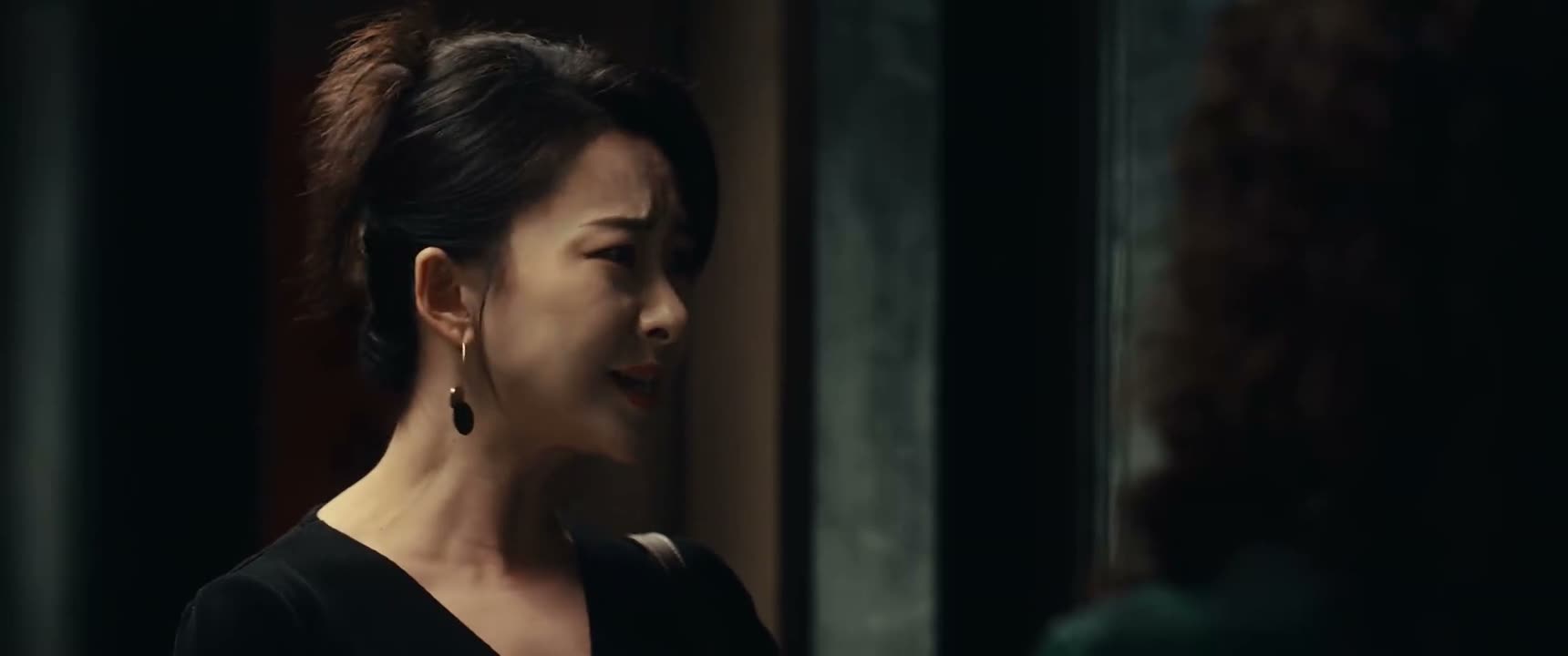
“Stop talking. Mr. Officer, my uncle is confused.”
 00:02
 00:02
 00:02
 00:02
 00:03
(长玉) ── Previous context
“Why are you carrying that knife? Don't make unwise decisions!”
 00:03
[Scene: 其他场景]
(11 clips)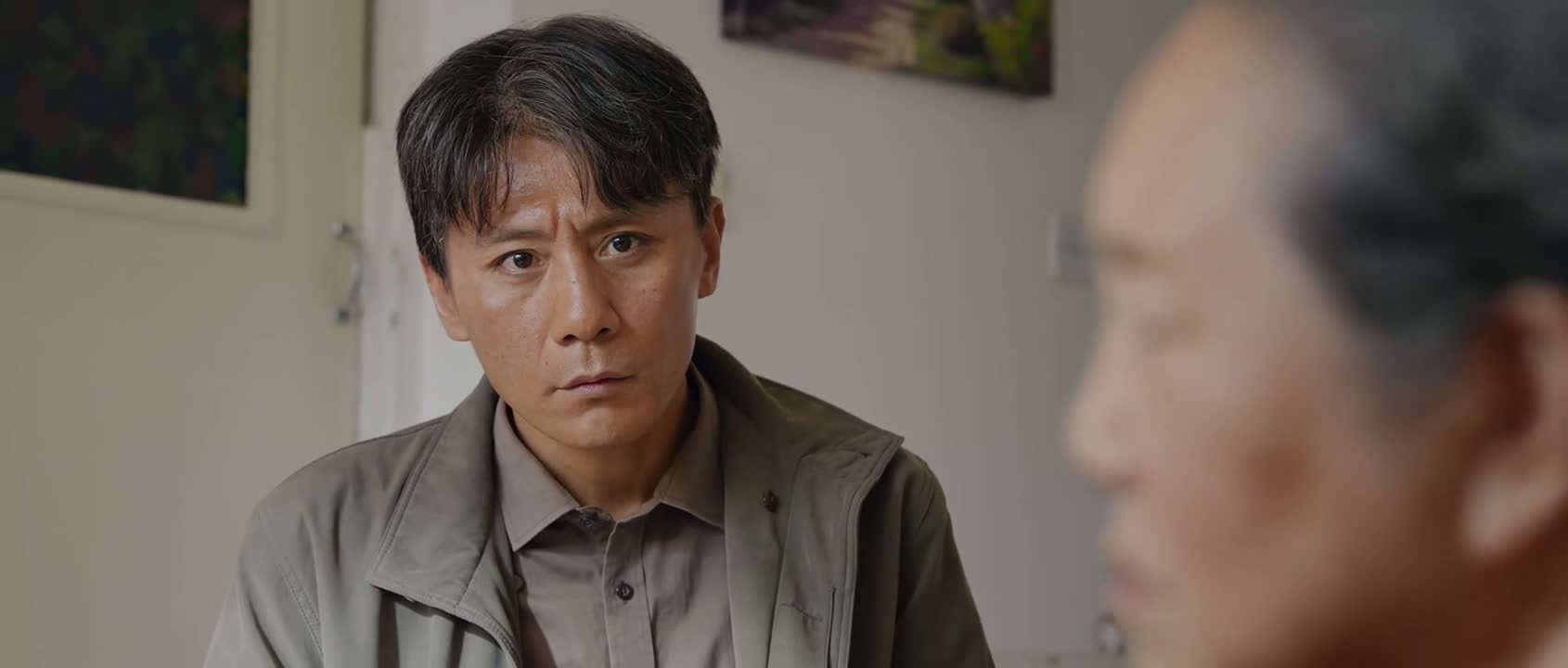 00:02
 00:03
 00:02
 00:02
 00:03
 00:02
 00:02
 00:02
 00:02
 00:02
 00:03
(冉方旭 刚才还在这儿的) ── Previous context
“What's wrong with him? Has he gone senile? When Officer Ran died, it was brutal. Even I know about that.”
[Scene: 家庭日常]
(3 clips) 00:02
(有时候还是那种 糊涂人不操心) ── Previous context
“Even if she's a bit muddled, she manages to live a good life.”
 00:02
(我知道) ── Previous context
“you're not being foolish and thinking about the Xia family”
 00:03
(你不如带着秋萍一起去 度蜜月呗 到上海) ── Previous context
“Mom, what are you talking about? Don't play dumb.”
[Scene: 商务沟通]
(2 clips) 00:03
 00:02
📌 不懂事
→Nuance: 均为责备对方做事不明智
📌 我跟你说
→Nuance: 同向近义词根配对: [明白 ↔ 懂]
📌 不好意思
→Nuance: 同指他人有不良企图,表达相近
📌 不知道说什么
→Nuance: 共享核心口语谓词: [不知道]
📌 什么时候
→Nuance: 同向近义词根配对: [装傻 ↔ 装糊涂]
📌 不知道
→Nuance: 委婉表达年纪大犯糊涂
📌 不知道
→Nuance: 质问照片装蒜,意图完全一致
📌 说什么呀
→Nuance: 核心意图与成语表达完全一致