可比
kě bǐCommon spoken expression used by native Chinese speakers in daily life.
[Scene: 家庭日常]
(6 clips) 00:02
 00:02
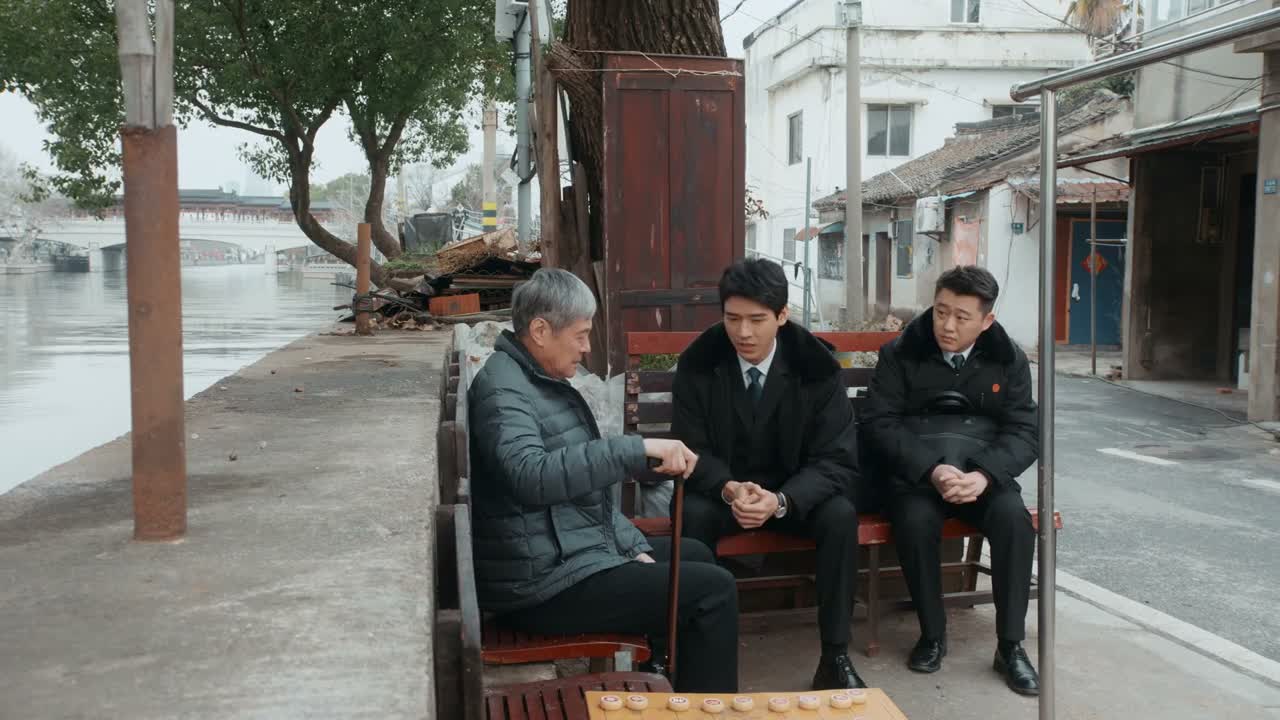 00:02
 00:02
 00:03
 00:02
(来) ── Previous context
“Being a princess consort is much harder than being a coroner.”
[Scene: 社交聚会]
(5 clips) 00:02
 00:03
 00:02
 00:03
(就不怕惹祸) ── Previous context
“Besides, from now on, I'll protect you. I'm way more powerful than a token.”
 00:03
[Scene: 其他场景]
(4 clips) 00:03
 00:02
(你一个小姑娘) ── Previous context
“As a girl, you're much more capable than those fools before you.”
 00:02
 00:03
(如果他敢动儿子一根汗毛 我跟你说) ── Previous context
“just how crazy I can get! Alright, alright!”
[Scene: 其他场景]
(3 clips) 00:02
(凤凰) ── Previous context
“you are much more reliable than our relative in Changxiang.”
 00:03
(我知道) ── Previous context
“The weather's more temperamental. They can turn on you anytime.”
 00:03
(什么时间不多) ── Previous context
“Property prices are rising so much faster than I can save up.”
[Scene: 职场工作]
(3 clips)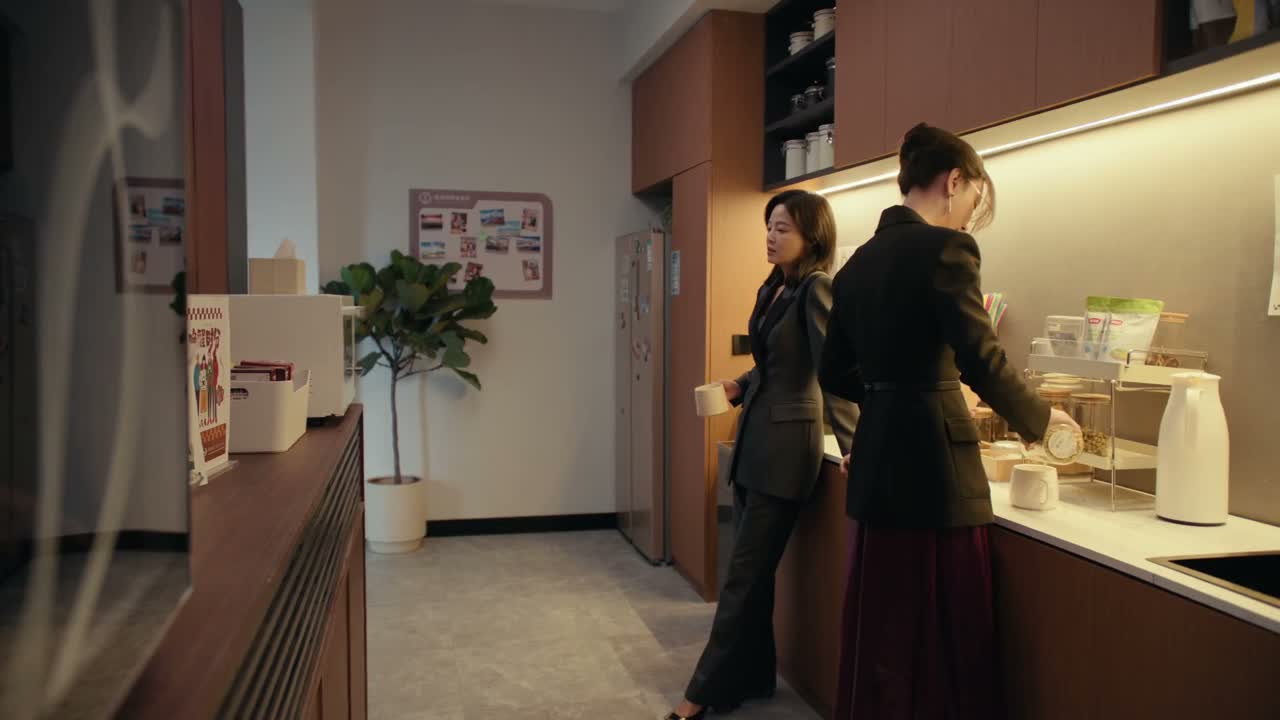 00:02
 00:02
 00:03
[Scene: 餐饮美食]
(2 clips) 00:02
 00:02
[Scene: 商务沟通]
(1 clips) 00:02
[Scene: 其他场景]
(1 clips) 00:02
[Scene: 出行交通]
(1 clips) 00:03
(老板 来壶茶 好嘞) ── Previous context
“Young Master, this is much happier than staying at home. Here, here.”
📌 你说你
→Nuance: 均表达对方没有资格与人比较
📌 好了好了
→Nuance: 核心主干相同,意图完全一致
📌 真好吃
→Nuance: 同向近义词根配对: [可口 ↔ 好吃]
📌 好吃
→Nuance: 同向近义词根配对: [可口 ↔ 好吃]
📌 跟我比
→Nuance: 均表达对方没有资格与人比较
📌 人家
→Nuance: 同向近义词根配对: [新娘 ↔ 新娘子]
📌 不是
→Nuance: 同向近义词根配对: [我们 ↔ 咱们]
📌 你说
→Nuance: 同向近义词根配对: [新娘 ↔ 新娘子]
📌 本来
→Nuance: 同向近义词根配对: [新娘 ↔ 新娘子]
📌 来
→Nuance: 同指增加很多,口语化表达