伤人
shāng rénCommon spoken expression used by native Chinese speakers in daily life.
[Scene: 其他场景]
(9 clips) 00:02
 00:02
 00:02
 00:02
(他这个人做事没有底线 知道吗 面馆能被他搞停业) ── Previous context
“or going ahead and beating people up. Wait a moment.”
 00:02
(哪个村里来的 我都不知道 她用什么样下三滥) ── Previous context
“shameful methods she used to seduce you! Don't be so vicious!”
 00:03
(老金啊) ── Previous context
“last time your wife set the dog on that girl and injured her.”
 00:02
 00:03
(你还不了解我吗) ── Previous context
“I wouldn't dare hurt anyone. How could you suspect me?”
 00:02
[Scene: 警匪刑侦]
(5 clips) 00:03
(对 谢谢 多亏有你们) ── Previous context
“For vicious assaults like this, that lunatic must go to jail.”
 00:03
(他真不该死) ── Previous context
“Wang Shouchang set a fire and took a life. But that was an honest mistake.”
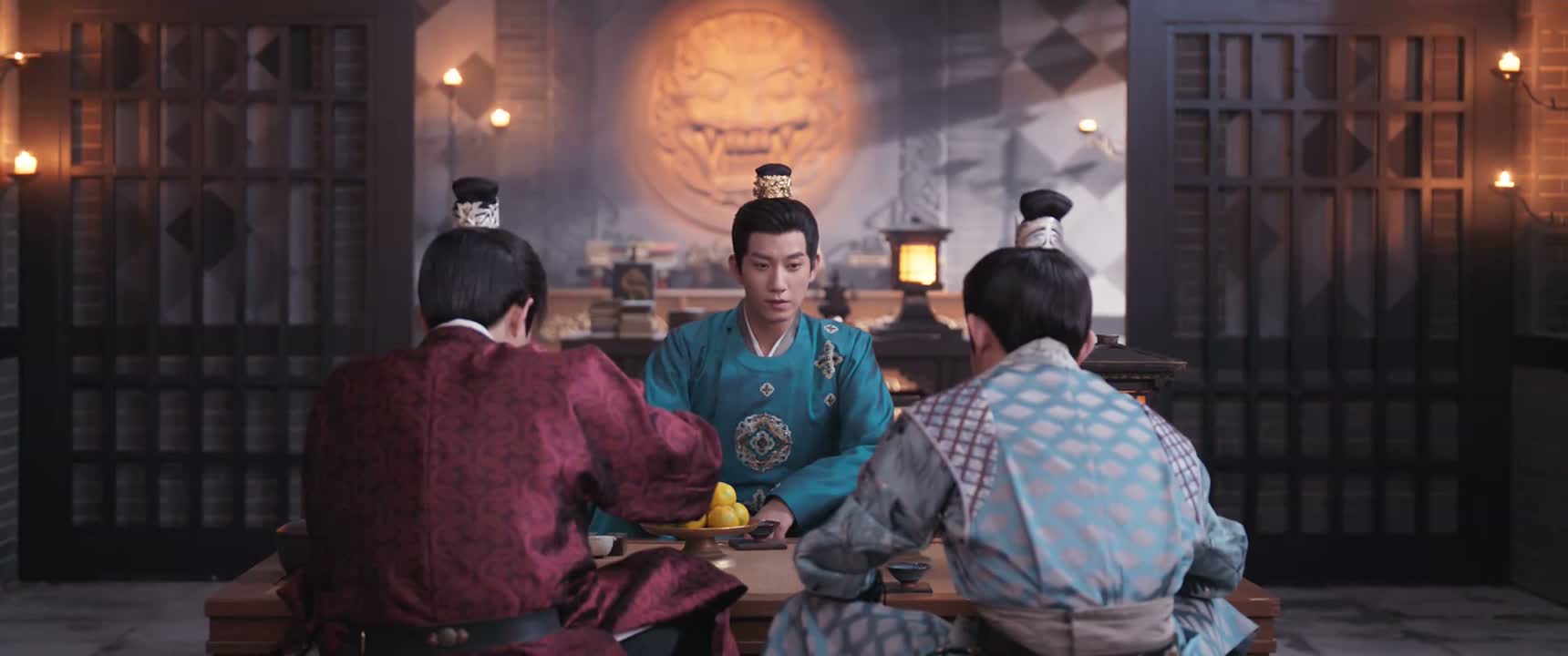 00:03
(都要插手啊) ── Previous context
“Mr. Zhao, you got drunk and hurt someone at the Music Office.”
 00:03
 00:02
[Scene: 社交聚会]
(2 clips) 00:02
(他呀 就是人好 没看上眼 也不好意思说得) ── Previous context
“that he didn't like you very much, because he didn't want to hurt you.”
 00:02
[Scene: 历史宫廷]
(1 clips) 00:02
[Scene: 其他场景]
(1 clips) 00:02
[Scene: 其他场景]
(1 clips) 00:02
[Scene: 职场工作]
(1 clips) 00:02
📌 不知道
→Nuance: 同指责对方言语刻薄伤害人
📌 讽刺
→Nuance: 同指责对方言语刻薄伤害人
📌 心病
→Nuance: 同向近义词根配对: [这样 ↔ 如此]
📌 没有必要
→Nuance: 核心均为主张不必伤人性命
📌 不会
→Nuance: 同向近义词根配对: [无故 ↔ 平白]
📌 家人
→Nuance: 同向近义词根配对: [无故 ↔ 平白]
📌 不敢
→Nuance: 核心意图一致,均表达绝不敢做
📌 忍心
→Nuance: 同向近义词根配对: [欺骗 ↔ 蒙骗]
📌 没有
→Nuance: 核心均为主张不必伤人性命