诬陷
wū xiànCommon spoken expression used by native Chinese speakers in daily life.
[Scene: 其他场景]
(6 clips) 00:03
 00:02
(我们想看看能帮什么忙) ── Previous context
“We just received the video that was used to frame Ms. Lin back then.”
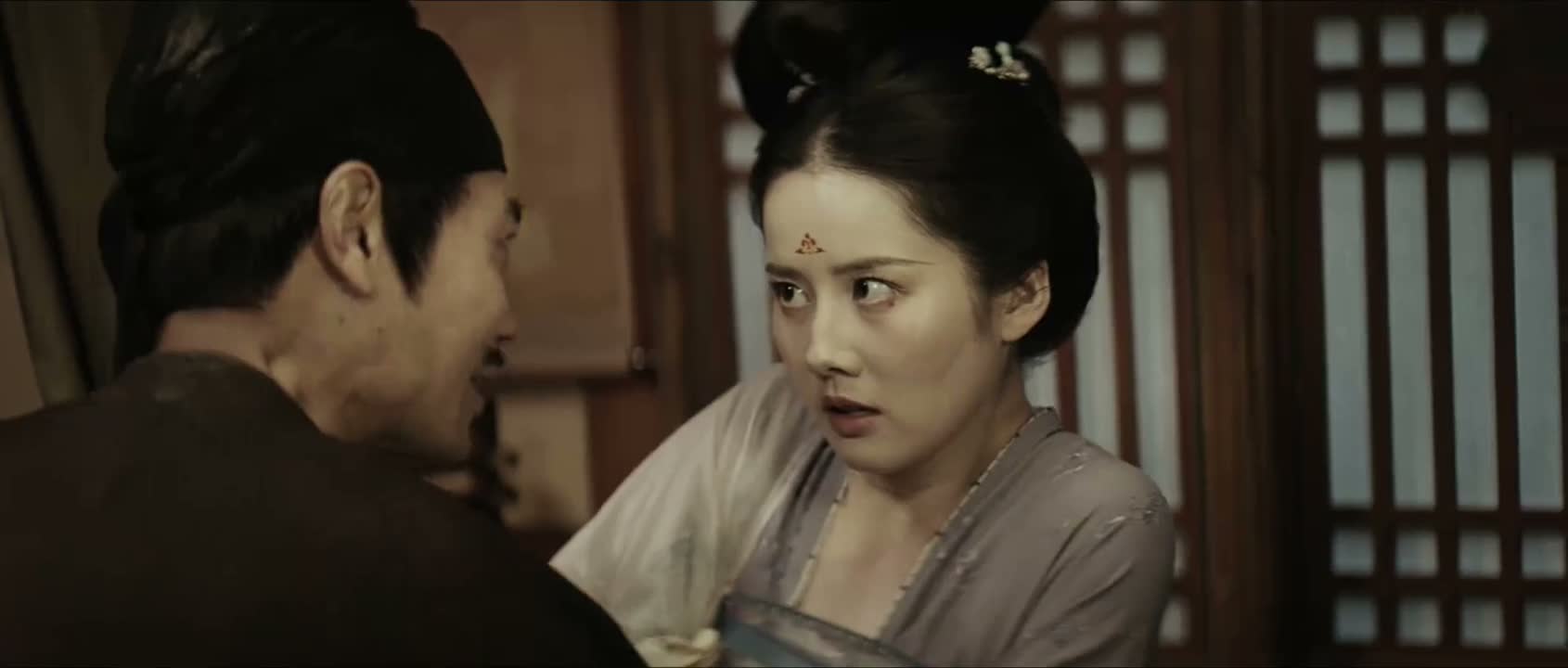 00:02
 00:02
(我严重怀疑) ── Previous context
“I strongly suspect this is Zhu Helai's psychological tactic”
 00:02
 00:02
[Scene: 警匪刑侦]
(6 clips) 00:02
(谁说的? 含血喷人) ── Previous context
“A false accusation. This is clearly a frame up… Wu Shanlong.”
 00:02
 00:02
 00:02
 00:03
(真的是裴轸干的吗) ── Previous context
“He turned himself in, confessed to making false accusations, and accepted administrative penalties.”
 00:03
(田家通番 人赃俱获 你还不老实交代 到底是谁) ── Previous context
“ordered you to frame the Li family? I'll talk.”
[Scene: 历史宫廷]
(3 clips) 00:03
(完全一致) ── Previous context
“Absurd! Utter nonsense! Father, he's falsely accusing me!”
 00:02
 00:02
[Scene: 社交聚会]
(1 clips) 00:03
[Scene: 职场工作]
(1 clips) 00:02
📌 莫名其妙
→Nuance: 均指遭谣言恶意中伤诋毁
📌 人家
→Nuance: 同向近义词根配对: [诬蔑 ↔ 诬陷]
📌 不是
→Nuance: 同指栽赃构陷,表达更委婉泛化
📌 不是
→Nuance: 同向近义词根配对: [陷害 ↔ 诬陷]
📌 诋毁
→Nuance: 同向近义词根配对: [诬蔑 ↔ 诬陷]
📌 来
→Nuance: 同向近义词根配对: [自首 ↔ 投案]
📌 不就是
→Nuance: 同向近义词根配对: [陷害 ↔ 诬陷]
📌 就是为了
→Nuance: 同向近义词根配对: [陷害 ↔ 诬陷]
📌 真的是
→Nuance: 核心交际意图一致,指被冤
📌 就要
→Nuance: 句式意图相同,将情况定性为迫害/要挟