有鬼
yǒu guǐCommon spoken expression used by native Chinese speakers in daily life.
[Scene: 其他场景]
(11 clips) 00:02
 00:02
 00:03
 00:03
(我这 你解我衣服干什么 你没鬼你急什么 对吧) ── Previous context
“Right. You're guilty. Something's inside. Look.”
 00:03
(孙之望身边那人如此谨慎) ── Previous context
“It's basically telling us outright Xiuhong House is hiding something.”
 00:03
 00:02
 00:03
(身上还绑着石头) ── Previous context
“If you did nothing wrong, why would this happen? You!”
 00:02
 00:02
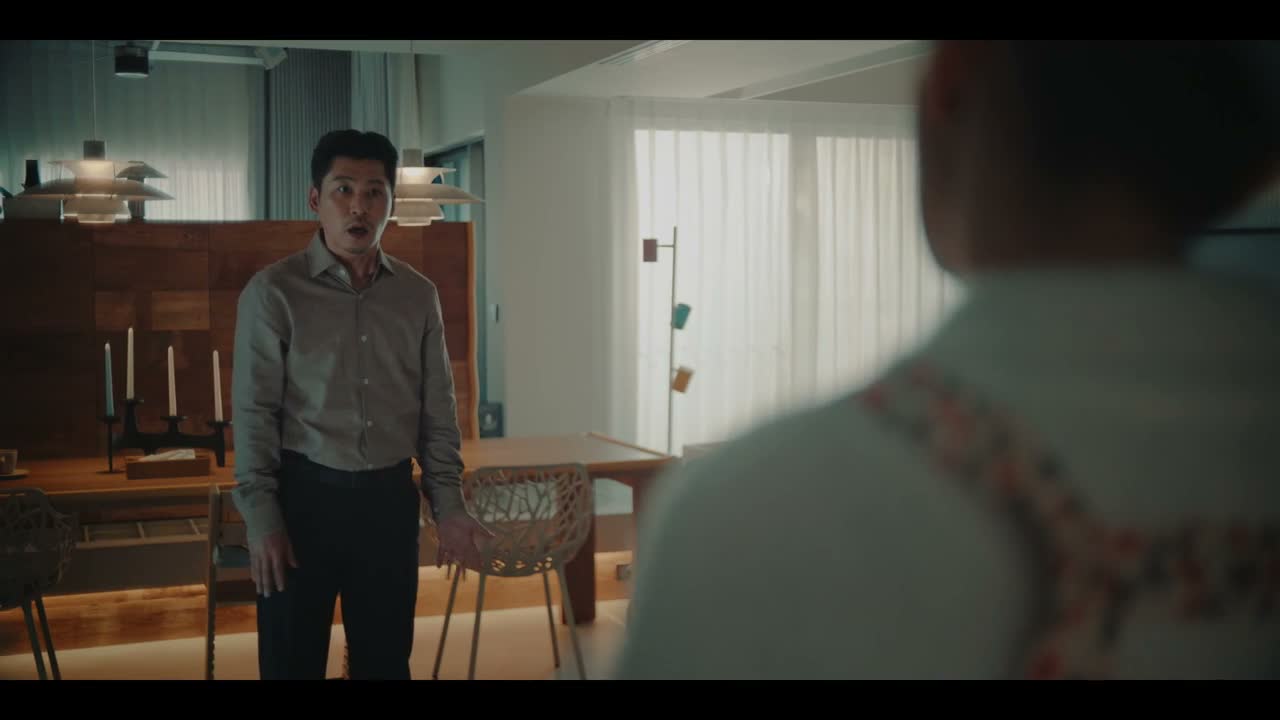 00:02
(没有不想要不一定代表想要啊) ── Previous context
“- Okay, we're going in circles. - We're not.”
[Scene: 历史宫廷]
(4 clips) 00:02
 00:03
(不可将不喜之人排在你左近) ── Previous context
“That's a little too thoughtful. I'm afraid he has something to hide.”
 00:02
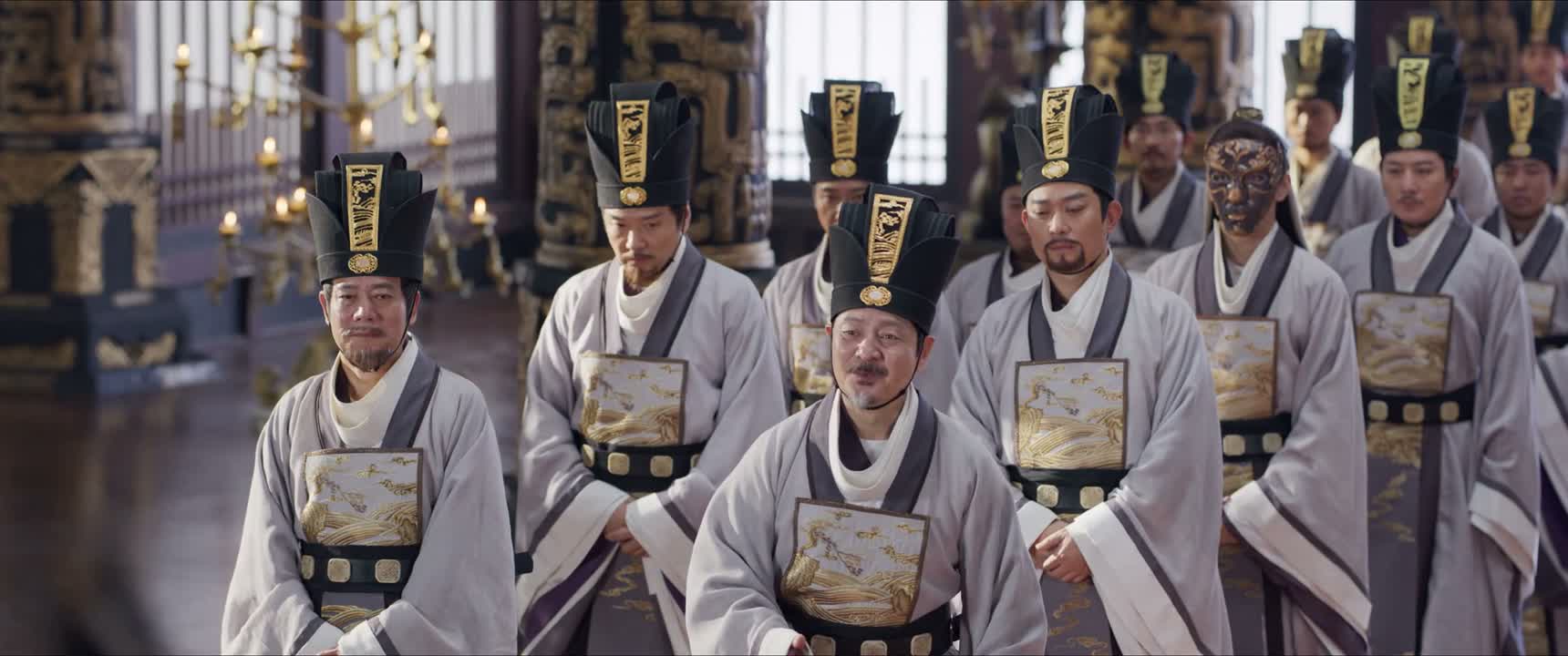 00:02
[Scene: 其他场景]
(3 clips) 00:02
 00:02
 00:03
(怎么可能?我明明就有看到啊) ── Previous context
“If there was a ghost, I'd see it, and smell it too.”
[Scene: 警匪刑侦]
(3 clips) 00:02
 00:03
 00:03
(再细问 才会详细说原因 人家只问你一句) ── Previous context
“and you spilled the whole story, start to finish. You expect us to believe you're innocent?”
[Scene: 社交聚会]
(1 clips) 00:02
📌 是不是
→Nuance: 认定对方暗中捣鬼意图一致
📌 是不是你
→Nuance: 认定对方暗中捣鬼意图一致
📌 不是
→Nuance: 反问强化,语义等同判定心里有鬼
📌 对吧
→Nuance: 均指责对方暗中作祟可互换
📌 来
→Nuance: 同为指责对方心中有鬼
📌 你看
→Nuance: 反问形式指责心里有鬼
📌 闹
→Nuance: 同指某处有鬼活动
📌 搞的鬼
→Nuance: 认定对方暗中捣鬼意图一致
📌 还说
→Nuance: 核心均质询对方心里有鬼
📌 什么妖怪
→Nuance: 句式意图相近反驳迷信存在