好听
hǎo tīngCommon spoken expression used by native Chinese speakers in daily life.
[Scene: 社交聚会]
(18 clips) 00:03
(怎么会有这么好的女孩子呀) ── Previous context
“She's good-looking, has a nice voice, and she's good at games.”
 00:02
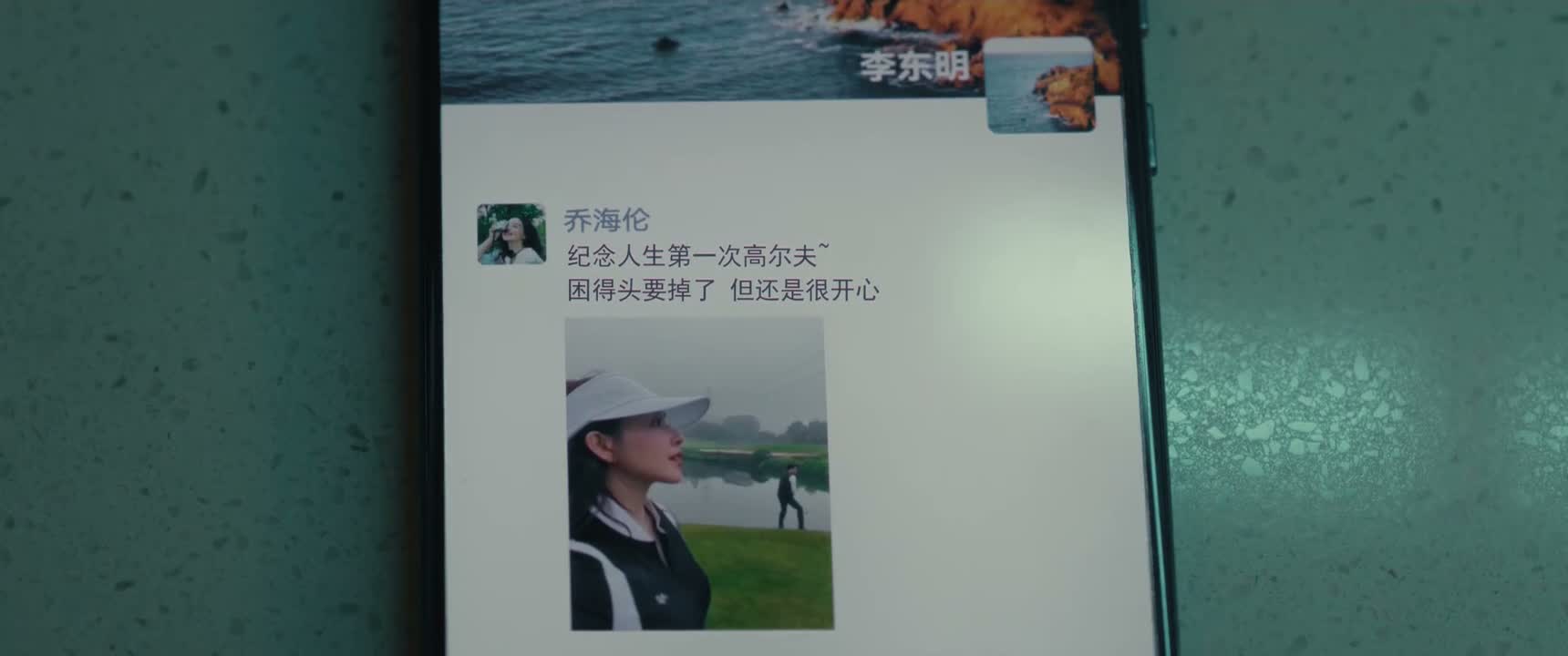 00:02
 00:03
 00:02
 00:02
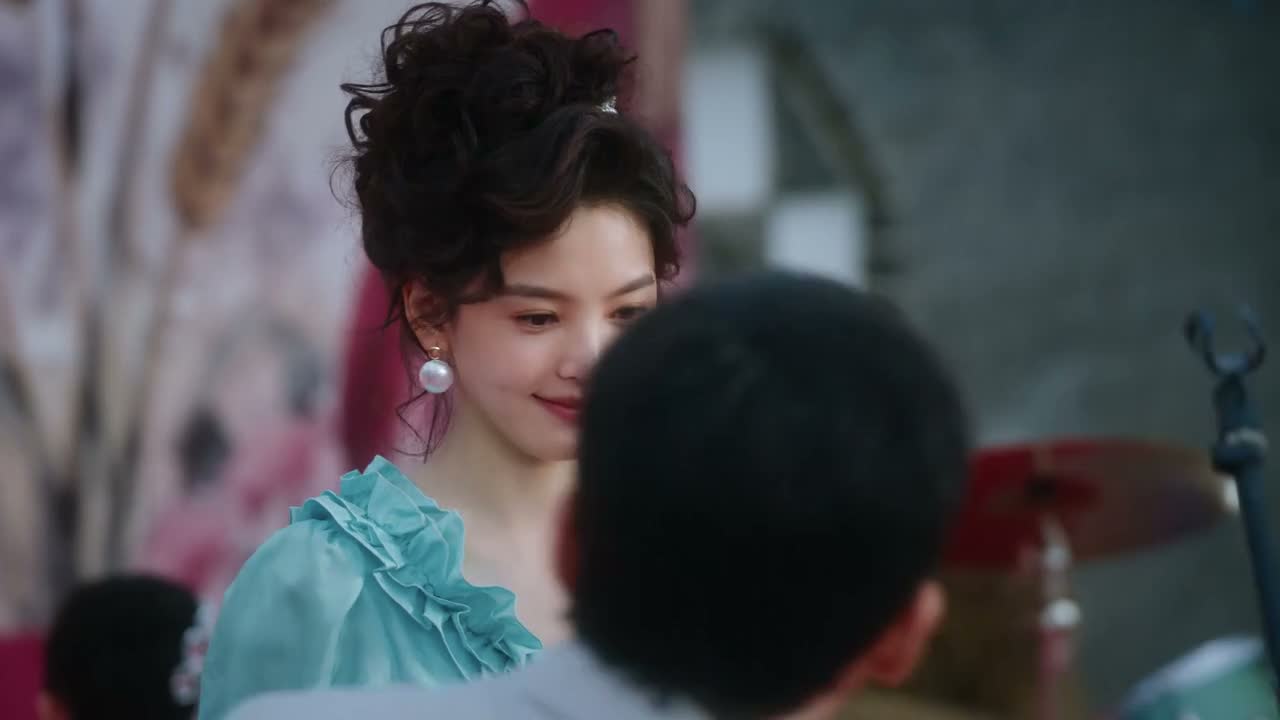 00:02
 00:02
 00:02
 00:02
 00:02
(对了 另外 别总是叫我老王) ── Previous context
“It doesn't sound nice. I'm not some random guy next door.”
 00:02
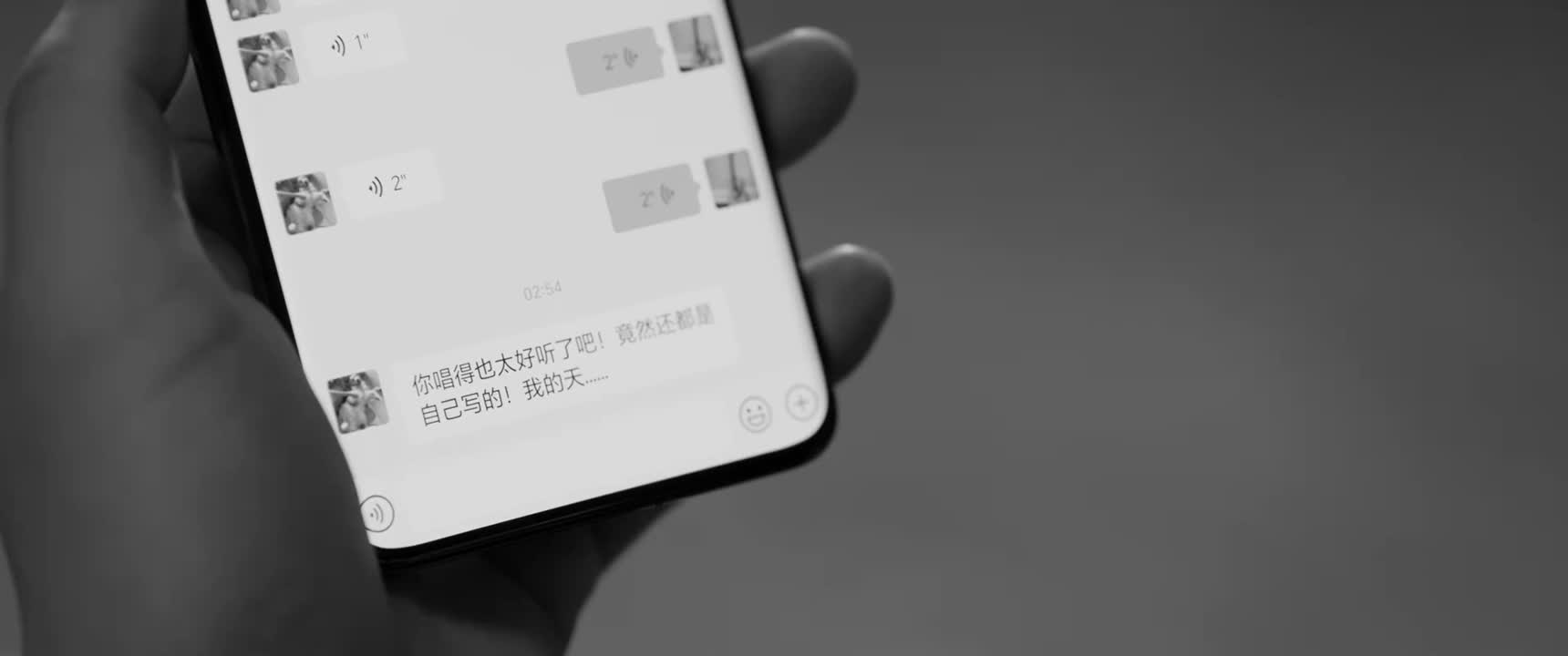 00:02
 00:03
 00:02
 00:03
 00:03
(他们说的真的假的) ── Previous context
“Just listen. Are they crazy? Will they quit? Right?”
 00:02
(再加上人的这个嫉妒心哪) ── Previous context
“it's inevitable that there's some unpleasant gossip.”
[Scene: 家庭日常]
(9 clips) 00:02
 00:02
 00:03
(她凭什么扣下来呀) ── Previous context
“She talks nicely about letting me manage the household,”
 00:03
(现在还给我贴死了 我有这么烦人吗) ── Previous context
“Well, you chirp non-stop as soon as you get home. Don't I have to protect my hearing?”
 00:02
 00:03
 00:02
 00:02
 00:02
[Scene: 其他场景]
(5 clips) 00:02
(不行 不行 不能拿你的东西) ── Previous context
“The name Wanzhi gave my son is just beautiful.”
 00:03
 00:03
 00:03
 00:02
(咱们俩说的有什么区别 那不还是里头我们吗 对啊) ── Previous context
“What accent is that? Mine is better than yours.”
[Scene: 其他场景]
(4 clips) 00:03
 00:03
(那我们全家是不是 都成你亲孙子了) ── Previous context
“You want to hear something pleasant? I haven't said anything unpleasant yet.”
 00:03
 00:03
(不正是靠费霆这样的劳动者吗) ── Previous context
“Pretty words don't change anything. Can he compare to Wang Tengda?”
[Scene: 警匪刑侦]
(2 clips) 00:03
 00:03
(是送人) ── Previous context
“That's a nice way to put it. Parents selling their own child is still illegal.”
[Scene: 历史宫廷]
(1 clips) 00:02
[Scene: 职场工作]
(1 clips) 00:03
(故意封锁掉茞星的一些关键信息) ── Previous context
“frankly speaking, that's a matter of professional ethics.”
📌 多好啊
→Nuance: 反讽他人言过其实,意图一致
📌 算了
→Nuance: 反向委婉表达同一不满
📌 算了
→Nuance: 语义完全一致,表达指责
📌 得了
→Nuance: 极度赞美,句型与语义高度相似
📌 好吃
→Nuance: 同向近义词根配对: [世界 ↔ 全世界]
📌 说得多好
→Nuance: 反讽他人言过其实,意图一致
📌 就算了
→Nuance: 反向委婉表达同一不满
📌 就算了
→Nuance: 语义完全一致,表达指责
📌 不得了
→Nuance: 极度赞美,句型与语义高度相似