急了
jí leCommon spoken expression used by native Chinese speakers in daily life.
[Scene: 其他场景]
(6 clips) 00:02
 00:02
 00:02
 00:02
 00:02
(我看她是竞走运动员吧) ── Previous context
“She must be in such a hurry to do something. She is so fast.”
 00:02
[Scene: 其他场景]
(5 clips) 00:02
(多少人不知道啊) ── Previous context
“What if Wang Dazhu got desperate and charged into the crowd?”
 00:02
 00:03
(加起来总共不超过两百) ── Previous context
“When I heard that, I got angry. I said if you dare not to compensate,”
 00:03
 00:03
(你是队长 你身体垮了 我怎么办 他们怎么办) ── Previous context
“Now you're worried? So what were you doing back then?”
[Scene: 家庭日常]
(5 clips) 00:02
 00:03
 00:03
(我跟你讲) ── Previous context
“if you piss Uncle off, we'll be the ones getting kicked out.”
 00:03
(好嘞妈 林梅 快别干了 我来我来 回去吧太晚了) ── Previous context
“Don't make your parents worry. Come here. Here, here.”
 00:02
(他没回我消息 电话也没接) ── Previous context
“Look, your mother and Qiran's mother are both worried.”
[Scene: 历史宫廷]
(5 clips) 00:02
 00:02
 00:03
(走) ── Previous context
“We don't want to be late. Just one look. Sister will be worried if we're late.”
 00:02
 00:02
[Scene: 社交聚会]
(5 clips) 00:03
(我应该先征得你同意的事情) ── Previous context
“But I was too anxious. I was afraid that harm might befall you.”
 00:02
 00:02
(在哪儿可以买到你设计的衣服啊) ── Previous context
“I rushed out today and didn't prepare anything.”
 00:02
(这等了这么多天 终于等到了一顿饭) ── Previous context
“for this dinner, and now that it's finally here, you're not in a hurry anymore?”
 00:02
[Scene: 商务沟通]
(3 clips) 00:02
 00:03
 00:02
[Scene: 职场工作]
(3 clips) 00:02
 00:02
 00:02
[Scene: 警匪刑侦]
(2 clips) 00:02
 00:03
(或者老死不相往来 肯定不想把对方送进监狱呀) ── Previous context
“They just said those things in the heat of the moment. They were flared up.”
[Scene: 餐饮美食]
(1 clips)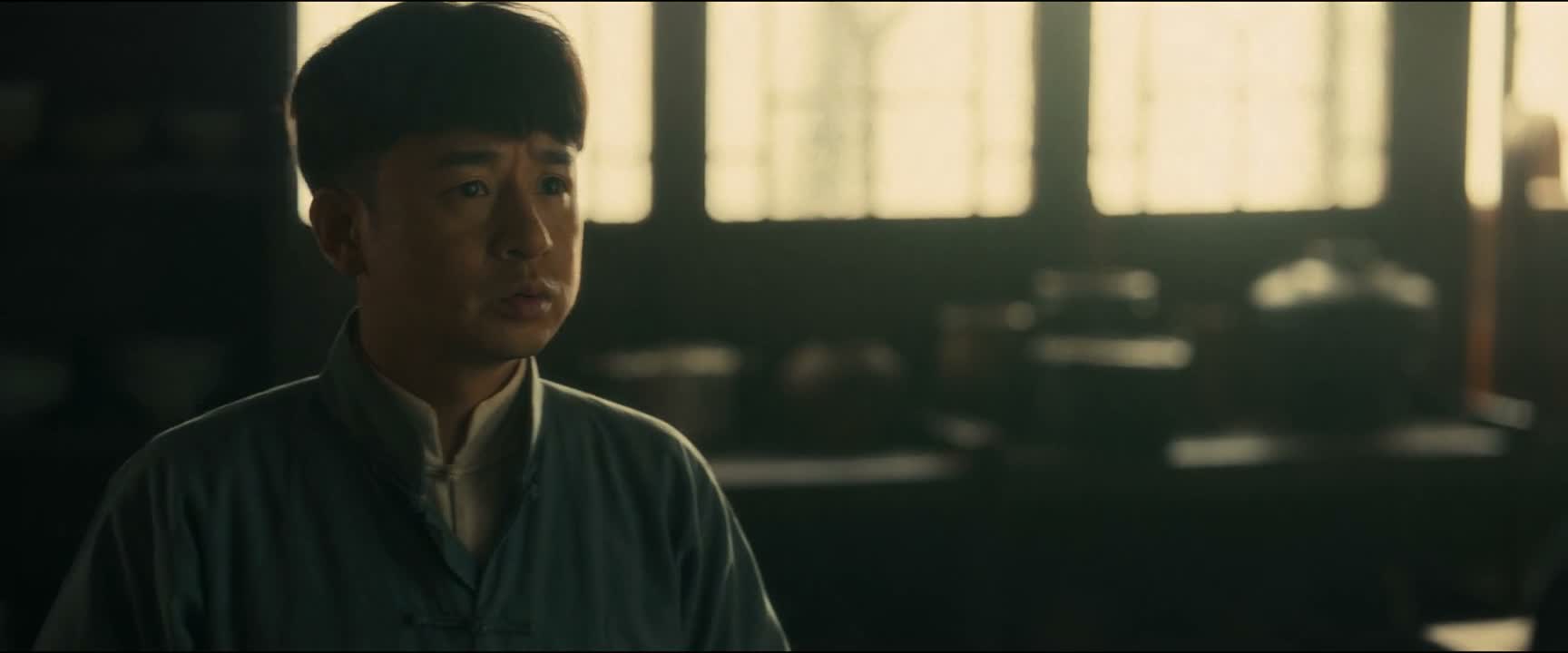 00:03
(七哥 您怎么来了) ── Previous context
“Sorry. Is Mr. Tian getting impatient? Our Baozi isn't ready yet.”
📌 没事
→Nuance: 共享核心口语谓词: [对不起]
📌 你看看
→Nuance: 同为匆忙疏漏,表达口吻不同
📌 你看看
→Nuance: 句式同构,皆因急忘事
📌 放心
→Nuance: 共享核心口语谓词: [对不起]
📌 这么着
→Nuance: 同向近义词根配对: [着急 ↔ 心急]
📌 怎么办
→Nuance: 同向近义词根配对: [我们 ↔ 咱俩]
📌 快走
→Nuance: 同为催促动身免得长辈着急
📌 添麻烦
→Nuance: 共享核心口语谓词: [对不起]
📌 我告诉你
→Nuance: 共享核心口语谓词: [对不起]
📌 对不起
→Nuance: 共享核心口语谓词: [对不起]