累的
lèi deCommon spoken expression used by native Chinese speakers in daily life.
[Scene: 家庭日常]
(8 clips)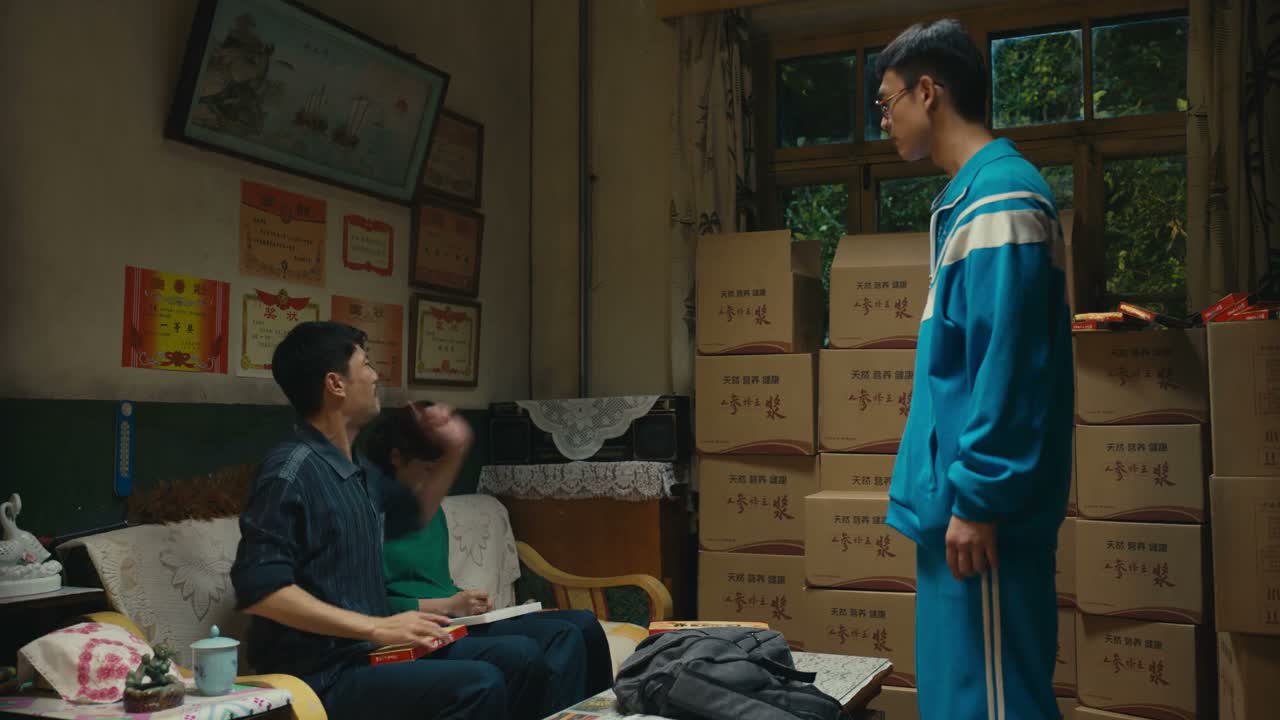 00:03
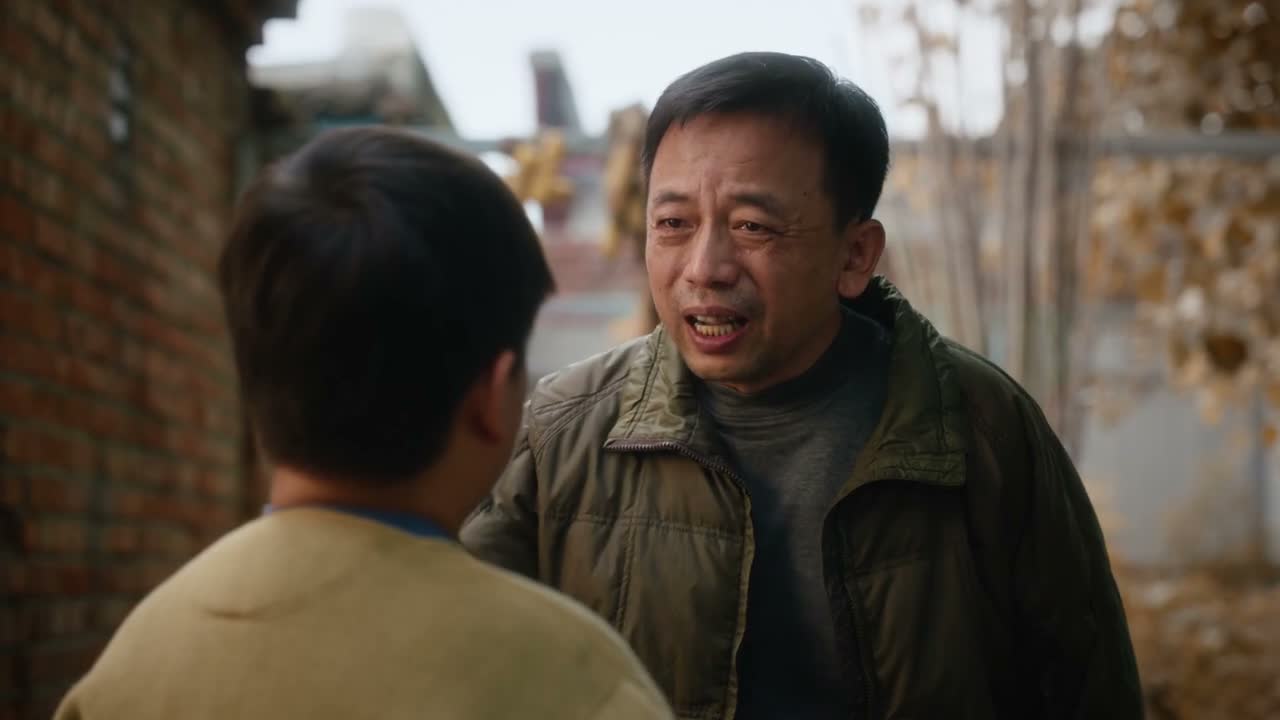 00:02
 00:02
 00:02
 00:03
(天惶惶 地惶惶 我家有个夜哭郎 妈) ── Previous context
“Mom, I'll hold him. This baby's crying is really exhausting.”
 00:03
(那娃哭得这么使劲 脸能不红吗) ── Previous context
“The moment you're born, life means suffering.”
 00:02
 00:02
[Scene: 其他场景]
(5 clips) 00:02
 00:02
 00:02
 00:02
 00:03
(叫上王萍晚上唱歌去呗 大姐我心多大啊) ── Previous context
“I work like a dog all day. I have no spare time to go singing. Just head back.”
[Scene: 历史宫廷]
(3 clips) 00:02
 00:03
(臣定当竭尽全力 将凶手捉拿归案) ── Previous context
“Your Highness, tired from rehearsal? Why push yourself so hard?”
 00:02
[Scene: 社交聚会]
(2 clips) 00:03
(不会出错的那种人) ── Previous context
“But being that kind of person all the time is exhausting.”
 00:02
(你说你 刚失恋 就要去相亲 刚离开一个渣男) ── Previous context
“You leave one jerk to find another one. Aren't you tired?”
[Scene: 职场工作]
(2 clips) 00:03
(慢一点啊 你小点声 大家在睡觉) ── Previous context
“Foreman Song is exhausted. He fell asleep before finishing.”
 00:03
(那纸上写 你为什么非要 在那个地方) ── Previous context
“I'm afraid that it would affect you. You've already affected me. I'm tired.”
[Scene: 其他场景]
(1 clips) 00:02
[Scene: 其他场景]
(1 clips) 00:03
(他们着急 我们就不着急 最偏心的就是这个金老师) ── Previous context
“We're all tired after the match too. He didn't even pretend to care.”
[Scene: 出行交通]
(1 clips) 00:03
(应该送周诚回律所 也绕不了多少路) ── Previous context
“Mr. Mao must be tired after that three-hour flight.”
📌 来来来
→Nuance: 同为体恤对方辛苦并主动倒水
📌 算了
→Nuance: 核心均指妈妈工作日辛苦
📌 一个人
→Nuance: 同向近义词根配对: [但是 ↔ 可是]
📌 累死了
→Nuance: 同表今天极度疲劳抱怨
📌 得了
→Nuance: 劝阻对象为单人,出于关切的变体
📌 就算了
→Nuance: 核心均指妈妈工作日辛苦
📌 赶紧
→Nuance: 关切劝慰喝水休息意图一致
📌 累了吧
→Nuance: 关照对方劳累并劝其喝水
📌 不是个事
→Nuance: 均抱怨长期如此做不是长久之计