受委屈
shòu wěi qūCommon spoken expression used by native Chinese speakers in daily life.
[Scene: 家庭日常]
(16 clips) 00:02
 00:02
 00:02
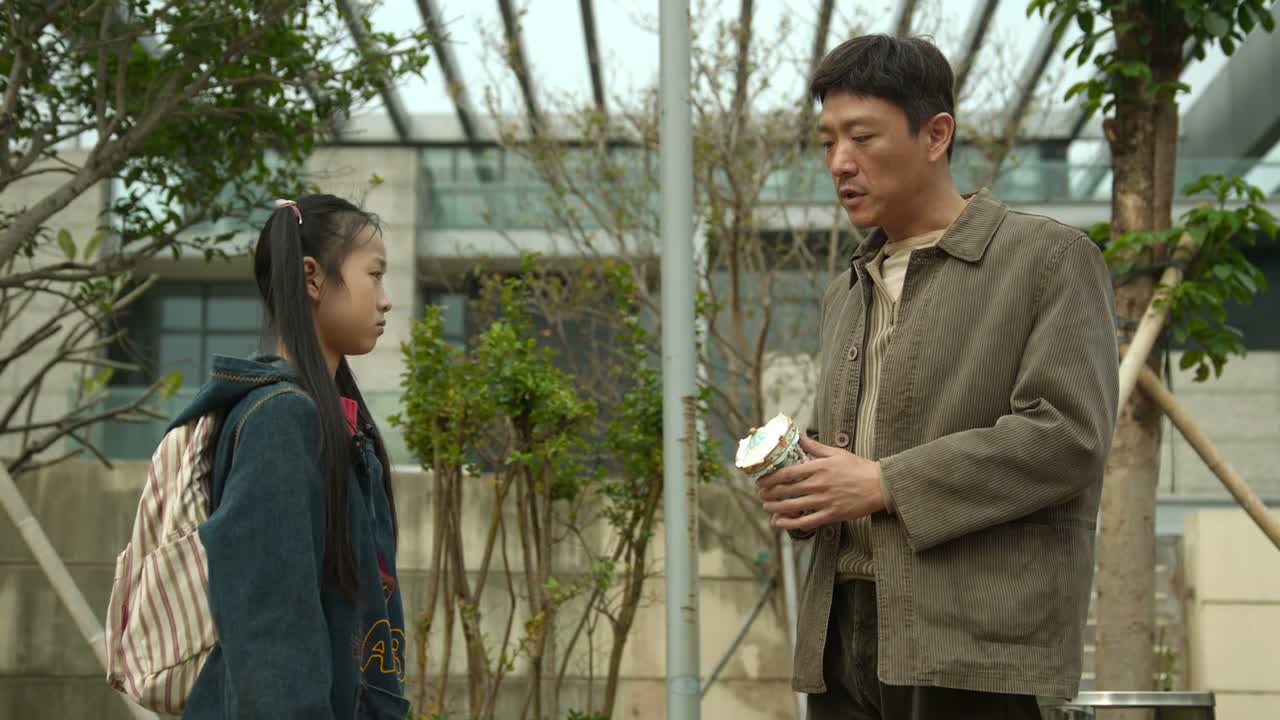 00:02
 00:03
 00:03
(劝了你一晚上 你怎么还是不放心?) ── Previous context
“Wuyi has never suffered or been wronged a day in her life.”
 00:02
 00:02
 00:03
(但你对我们的付出 完全没有反应啊) ── Previous context
“It's okay if you wrong me, but it's not fair to Jiale.”
 00:02
 00:03
(就没人敢 让她受半点委屈) ── Previous context
“Since I've married her, naturally, I won't let her suffer any grievances.”
 00:02
 00:02
 00:03
 00:03
(我祝妈妈不要太辛苦) ── Previous context
“or feel wronged. May you be happy inside and comfortable outside.”
 00:02
[Scene: 职场工作]
(8 clips) 00:02
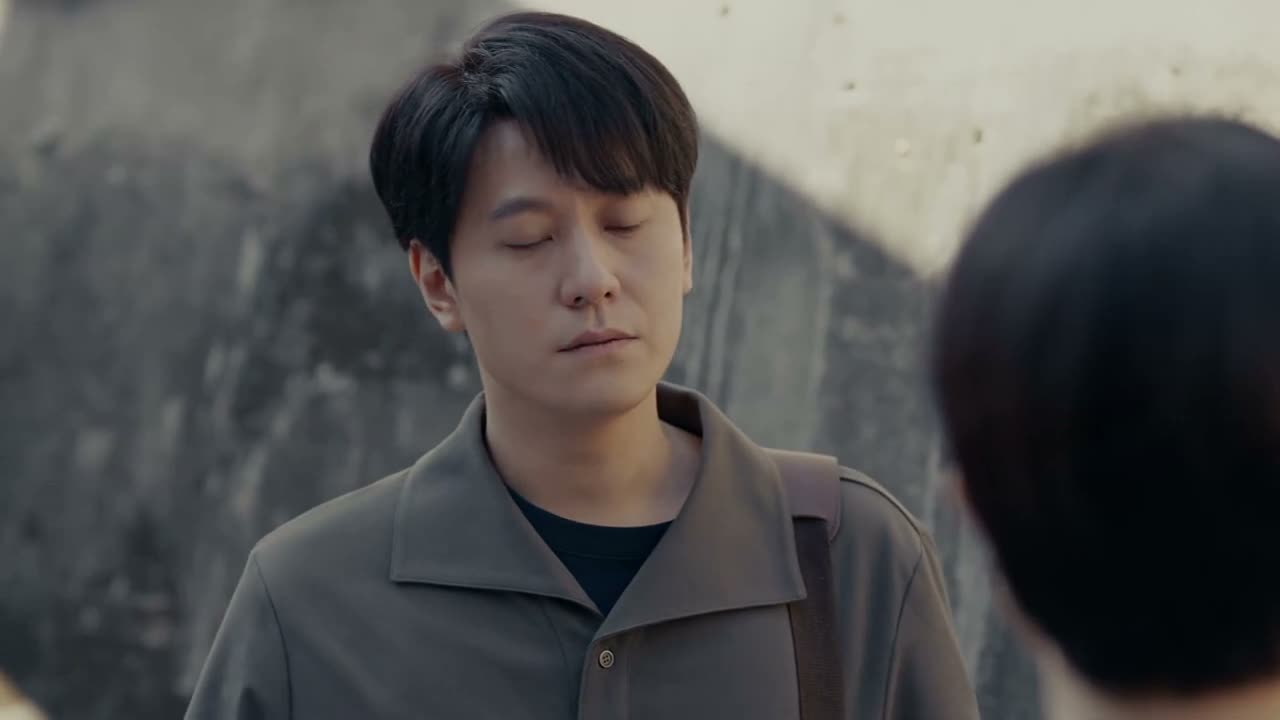 00:02
 00:02
 00:02
 00:02
 00:02
(突然觉得 我好像没有白被狗咬呢) ── Previous context
“You took the hit for the company. Fair's fair.”
 00:02
 00:03
(之前任董的案子) ── Previous context
“you were treated unfairly. I intended to transfer you back quickly,”
[Scene: 其他场景]
(3 clips) 00:02
 00:03
 00:02
[Scene: 社交聚会]
(3 clips) 00:02
 00:02
 00:03
(我可以嫁给叶峰啊) ── Previous context
“I just don't want to live feeling small. That's why I chose Fang Muyang.”
[Scene: 其他场景]
(1 clips) 00:03
[Scene: 历史宫廷]
(1 clips) 00:03
📌 不知道
→Nuance: 省略主语,核心同情意图一致
📌 怎么了
→Nuance: 同向近义词根配对: [护理 ↔ 看护]
📌 多了去啦
→Nuance: 核心意图一致,均感叹委屈极多
📌 没关系
→Nuance: 换位表达为晓乐鸣不平
⚡ 得了
→Contrast: 极性反义对撞: [能 ↔ 不能]
⚡ 伺候
→Contrast: 态度相反:愿护其周全对厌烦不愿娶
⚡ 不知道
→Contrast: 源句知晓委屈,此句不知情
⚡ 没人
→Contrast: 极性反义对撞: [能 ↔ 不能]
⚡ 本来
→Contrast: 态度相反:愿护其周全对厌烦不愿娶
⚡ 来
→Contrast: 态度相反:愿护其周全对厌烦不愿娶