有可能是
yǒu kě néng shìCommon spoken expression used by native Chinese speakers in daily life.
[Scene: 警匪刑侦]
(13 clips) 00:03
(你们说) ── Previous context
“Do you think he might be faking it? Fooling us is easy,”
 00:02
 00:02
 00:02
(时间到了 那他作为一个卖家 他得向买家解释) ── Previous context
“That tracks, right? Could that be it?”
 00:02
 00:02
(白菊和张扬被撞) ── Previous context
“is most likely this organization trying to take revenge on us.”
 00:02
 00:03
(后来是没人接 现在直接关机了) ── Previous context
“Perhaps her cell phone is out of power. Dad, we're here to report the case.”
 00:02
 00:02
(只有一个被炸烂的手机 一些玻璃和塑料的碎片) ── Previous context
“Could the phone have been the detonator?”
 00:02
 00:03
 00:02
[Scene: 其他场景]
(3 clips) 00:02
(通知狙击手随时开枪 是) ── Previous context
“It's probably a trap the brothers set up. Watch out.”
 00:02
(你中的那个带毒的暗器) ── Previous context
“was likely used by someone familiar with your skills”
 00:02
[Scene: 其他场景]
(3 clips) 00:02
 00:03
 00:03
[Scene: 职场工作]
(3 clips) 00:03
(这两个视频呢 目前来看) ── Previous context
“As things stand, I think these two videos were most likely released by one of our competitors in the hotel industry.”
 00:02
 00:02
[Scene: 历史宫廷]
(2 clips) 00:02
(若非别的县也是如此) ── Previous context
“it's possible the Magistrate here is taking the chance”
 00:03
(虽然他们也爱搞小动作) ── Previous context
“it's more likely the Yan State's doing. The Yan State... Why would the Yan State want to assassinate someone from Great Xia?”
[Scene: 社交聚会]
(2 clips) 00:02
(优秀的法官 和优秀的律师在一起) ── Previous context
“could very well end in tragedy. Should they wait until they have children before talking about breaking up?”
 00:03
(你不会真的以为 我是你一通电话 就叫来的吧) ── Previous context
“Have you ever considered I might have planned all this”
[Scene: 商务沟通]
(1 clips) 00:03
[Scene: 其他场景]
(1 clips)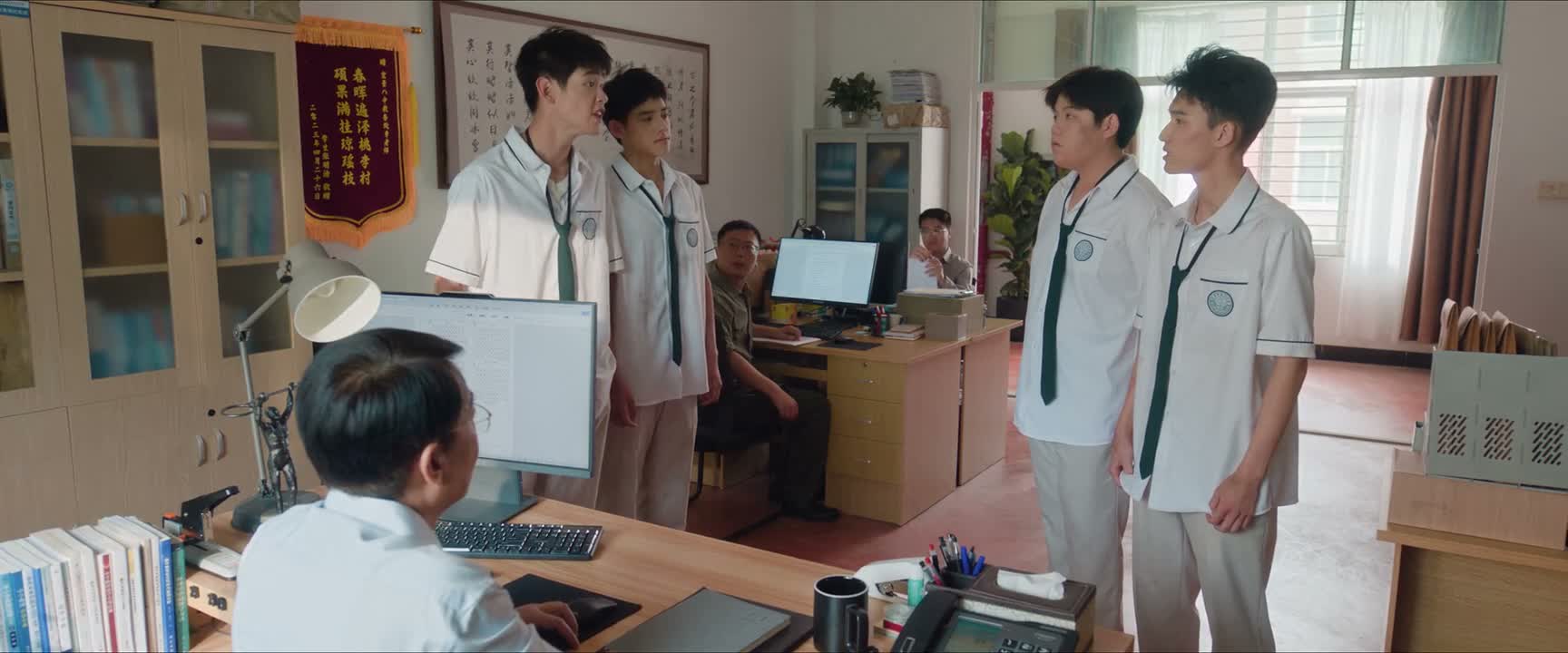 00:03
(打架会影响我考试成绩的 怎么可能是我) ── Previous context
“Impossible for you, but possible for me— is that it? The whole school knows you have a bad temper.”
📌 你赶紧
→Nuance: 同向近义词根配对: [儿童 ↔ 孩子]
📌 得了
→Nuance: 同向近义词根配对: [不可 ↔ 不得]
📌 不知道
→Nuance: 核心交际意图完全一致
📌 不得了
→Nuance: 同向近义词根配对: [不可 ↔ 不得]
📌 赶紧
→Nuance: 同向近义词根配对: [儿童 ↔ 孩子]
📌 怎么了
→Nuance: 同向近义词根配对: [儿童 ↔ 孩子]
📌 是不是
→Nuance: 用疑问委婉指出另有其他原因