杀
shāCommon spoken expression used by native Chinese speakers in daily life.
[Scene: 其他场景]
(25 clips)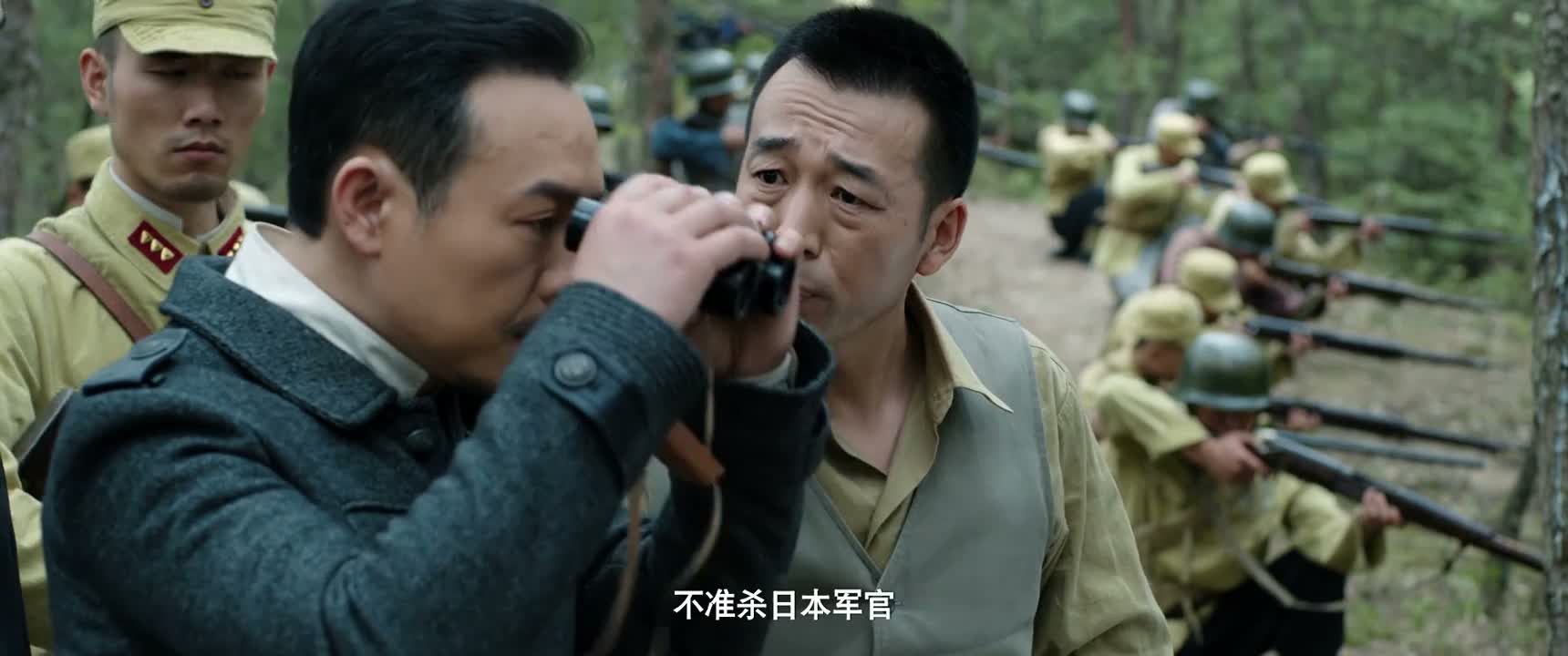 00:02
 00:02
 00:02
 00:03
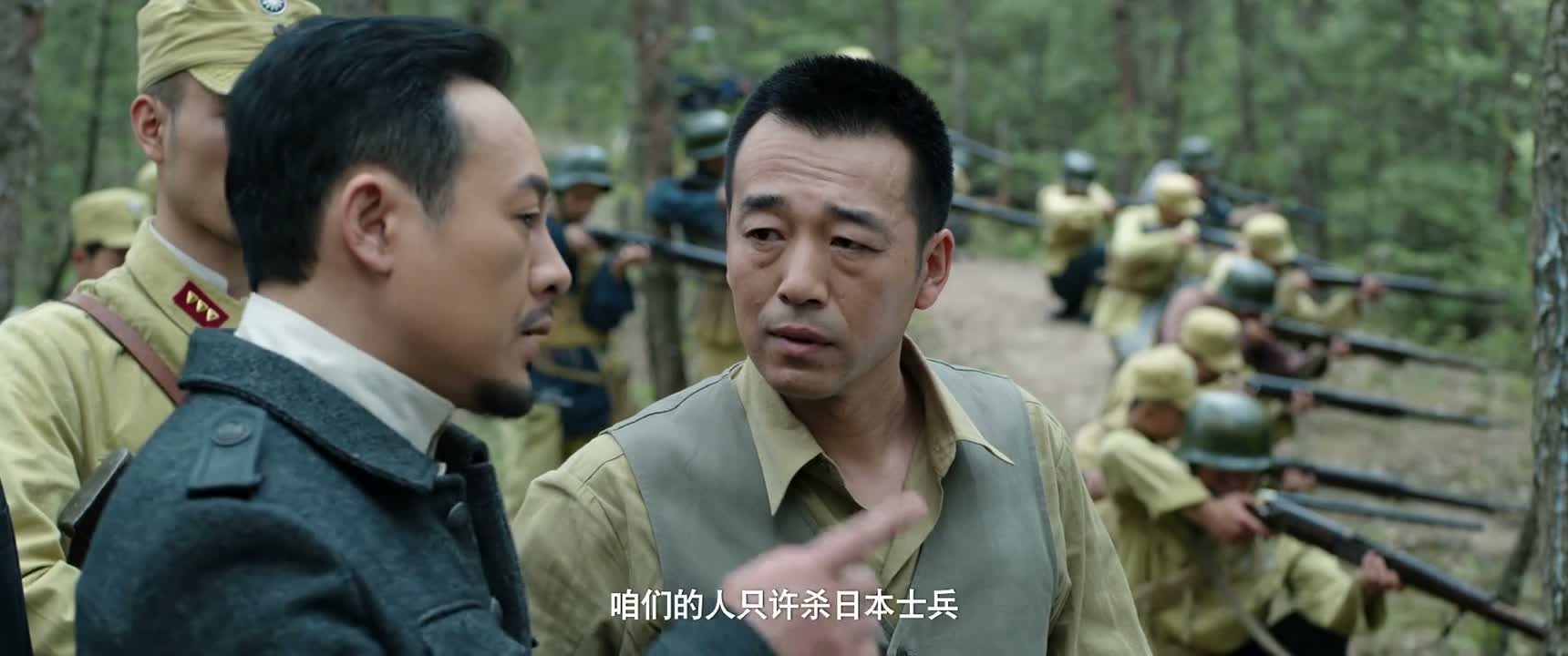
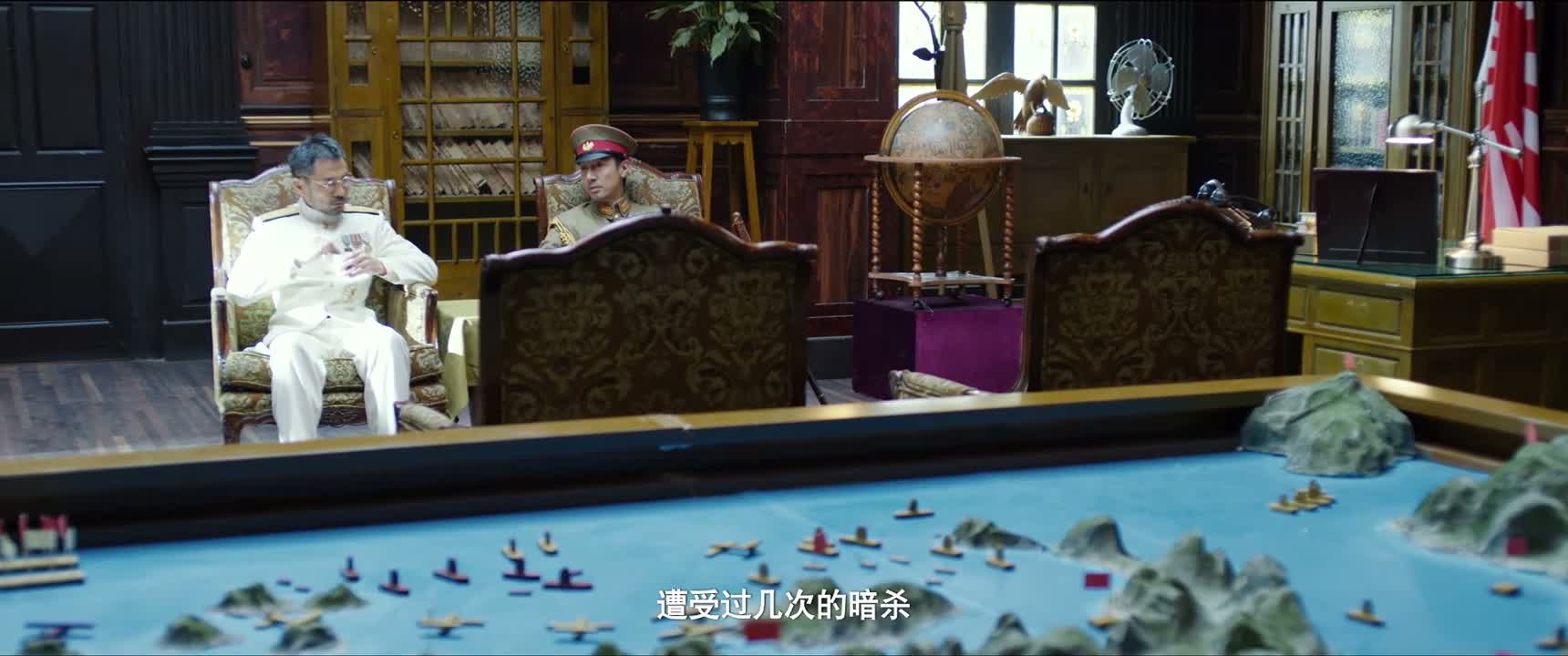
(日本人进了包围圈以後) ── Previous context
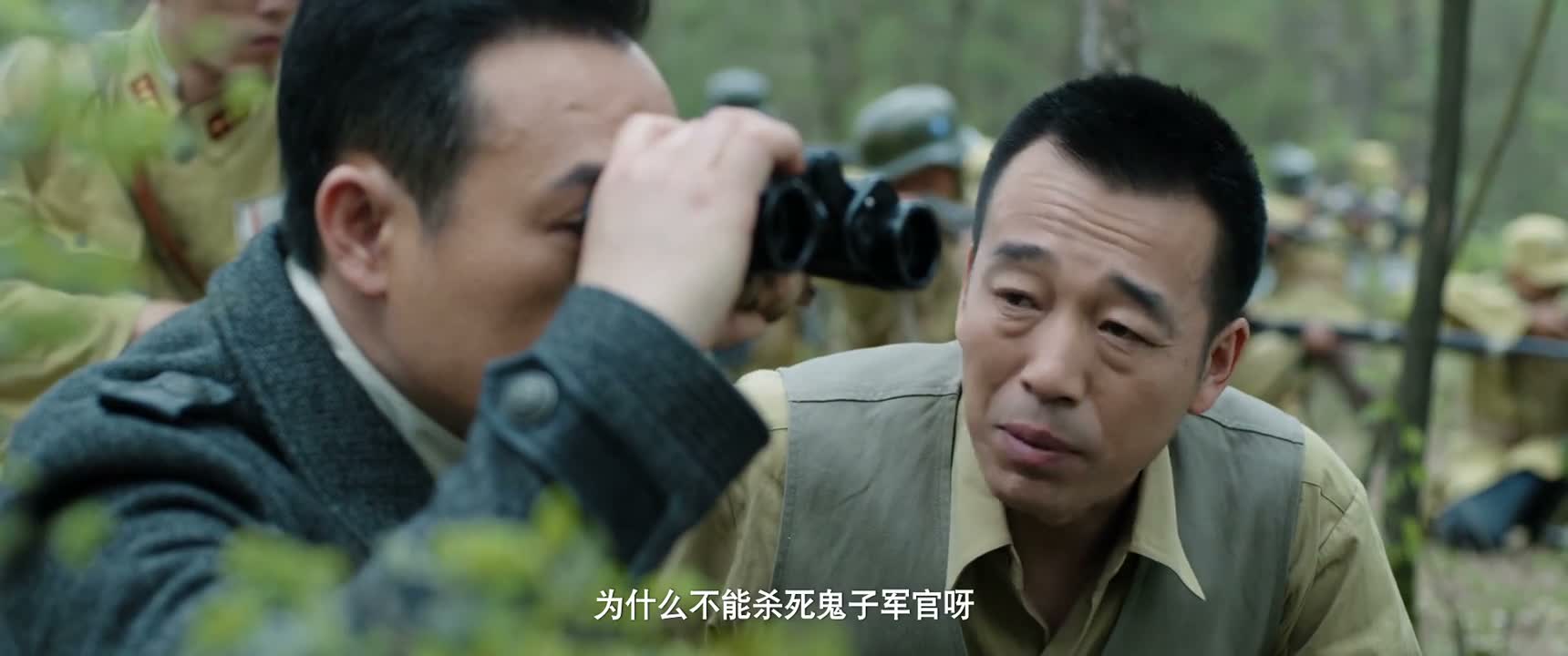
“our men are only allowed to kill Japanese soldiers.”
 00:02
 00:02
 00:02
 00:02
 00:02
 00:02
 00:03
(这话什么意思啊) ── Previous context
“Are you saying that I killed Master Shenguan and framed Great Tang?”
 00:02
 00:02
 00:02
 00:02
(没把你这个背信弃义) ── Previous context
“you faithless villain who betrayed trust and murdered a dear friend.”
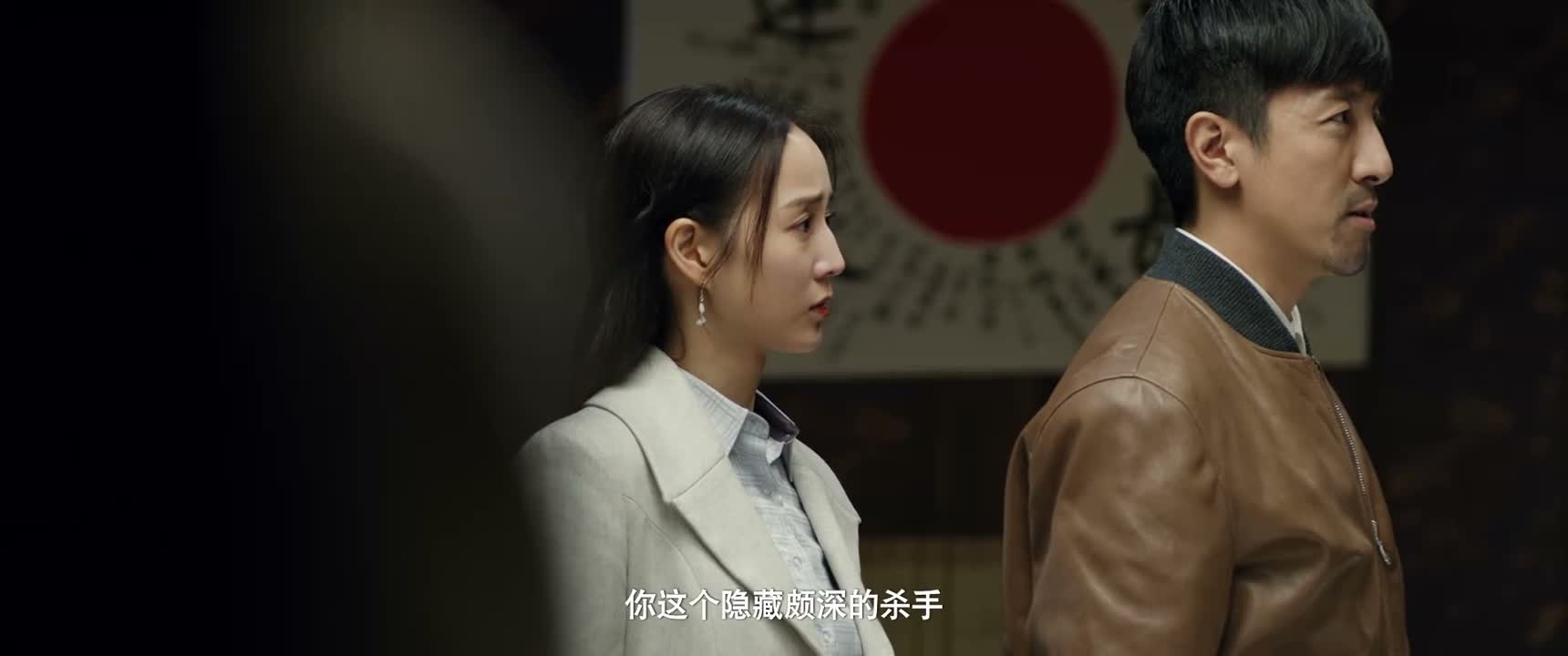 00:03
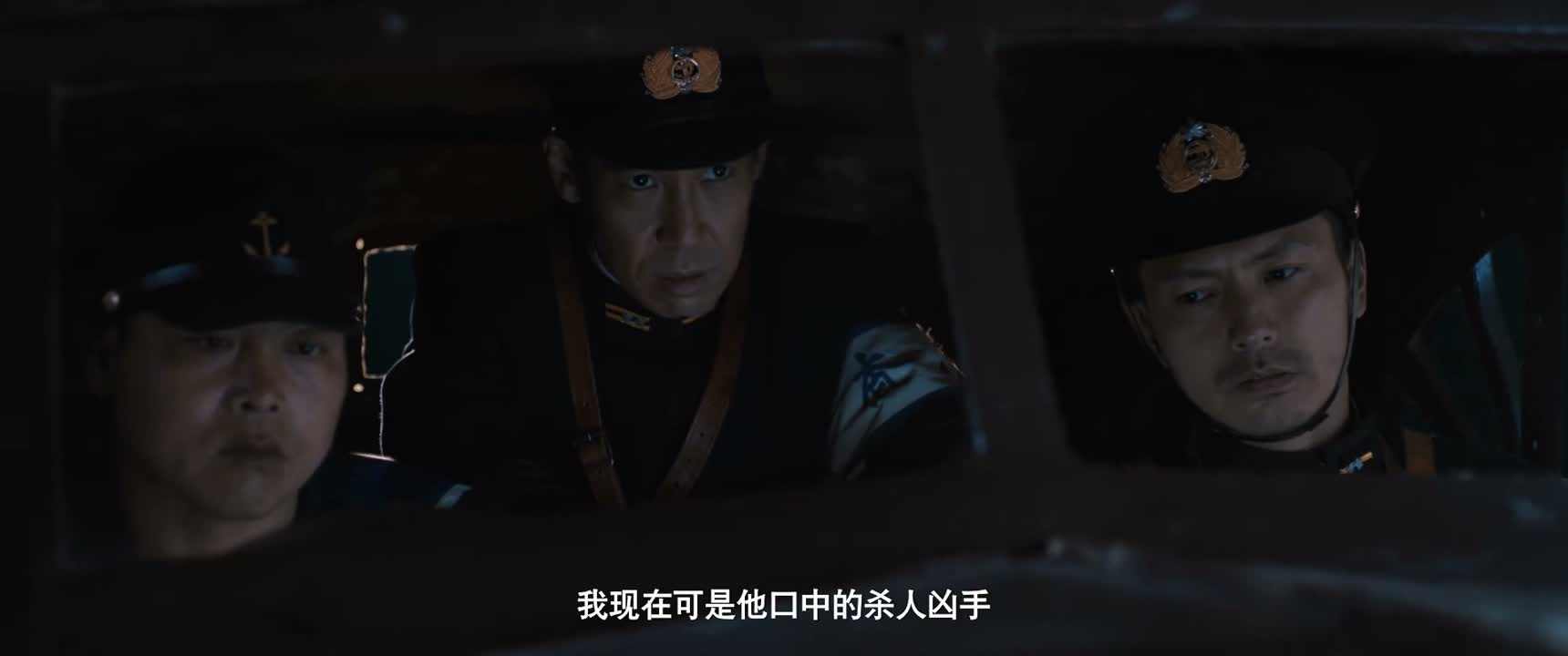 00:02
 00:03
 00:02
 00:02
 00:02
 00:02
 00:02
(但他们眼睛里也不能揉沙子呀) ── Previous context
“The Japanese carried out a massacre on the island,”
 00:02
 00:02
[Scene: 历史宫廷]
(13 clips) 00:02
 00:02
 00:02
 00:02
 00:03
 00:02
 00:02
 00:03
 00:02
 00:02
(祐辰安为了尽快被册封) ── Previous context
“You Chen'an will surely ask you to kill the king of Nanzhao.”
 00:02
 00:02
 00:03
(祐辰安叛行败露) ── Previous context
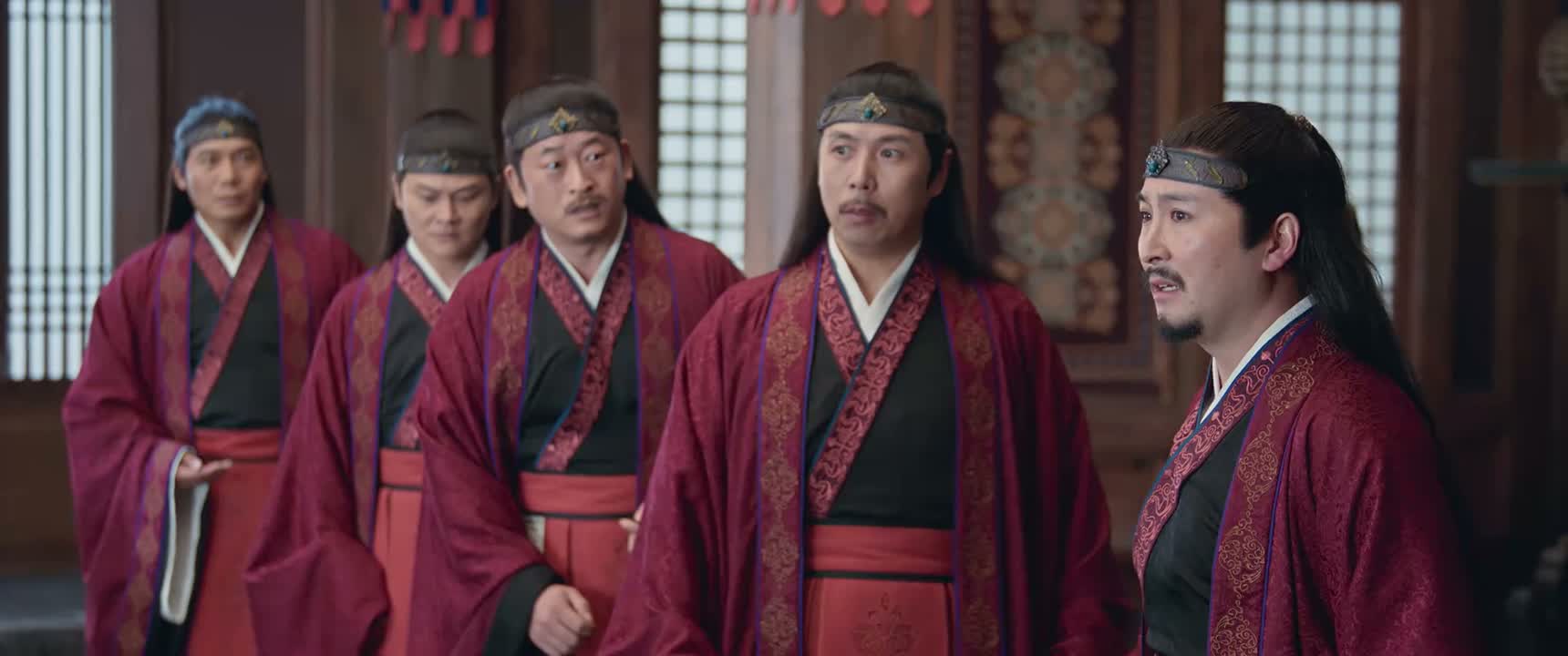
“We are here on the King's orders to kill all his remnants.”
[Scene: 商务沟通]
(1 clips) 00:02
[Scene: 其他场景]
(1 clips)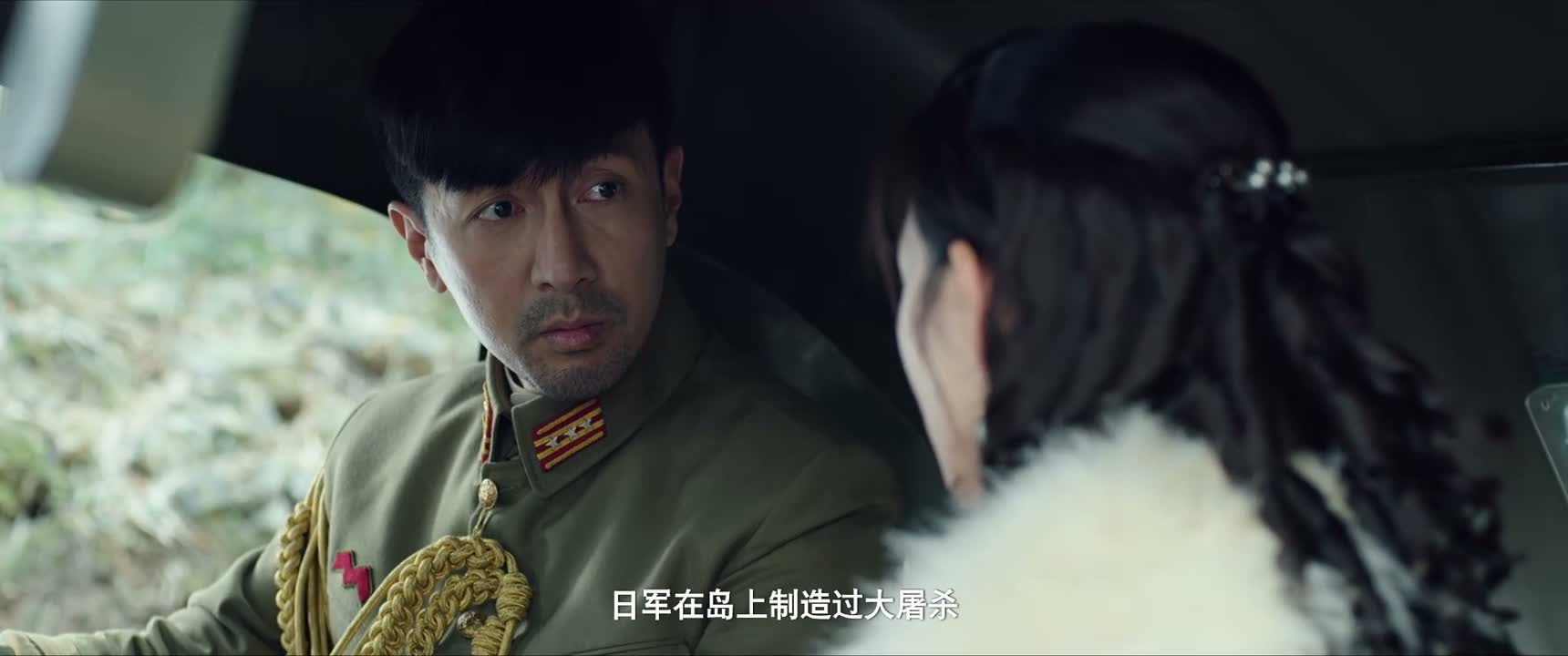 00:02
(今天早上我爸带我去看了万人坟) ── Previous context
“The Japanese army carried out a massacre on the island.”
📌 不准
→Nuance: 核心指令完全一致可直接互换
📌 不许
→Nuance: 禁止杀害军官,意图高度一致
📌 怎么就
→Nuance: 同指控对方企图杀害自己
📌 天打雷劈
→Nuance: 均表警告招致大祸,换用反问句式
📌 总有一天
→Nuance: 威胁杀对方核心意图相同
📌 灭口
→Nuance: 意思完全相同,可直接互换