我的错
wǒ de cuòCommon spoken expression used by native Chinese speakers in daily life.
[Scene: 其他场景]
(14 clips) 00:02
 00:02
 00:02
 00:02
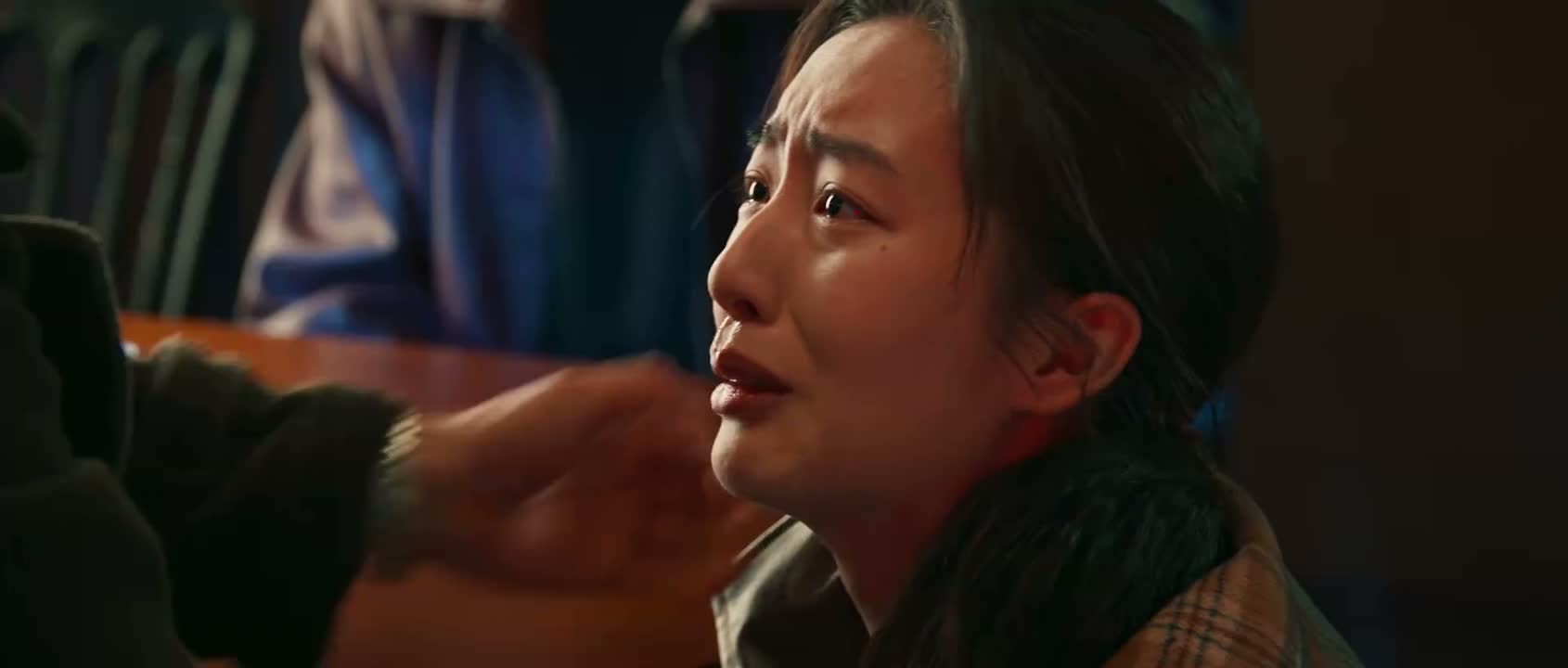 00:02
 00:02
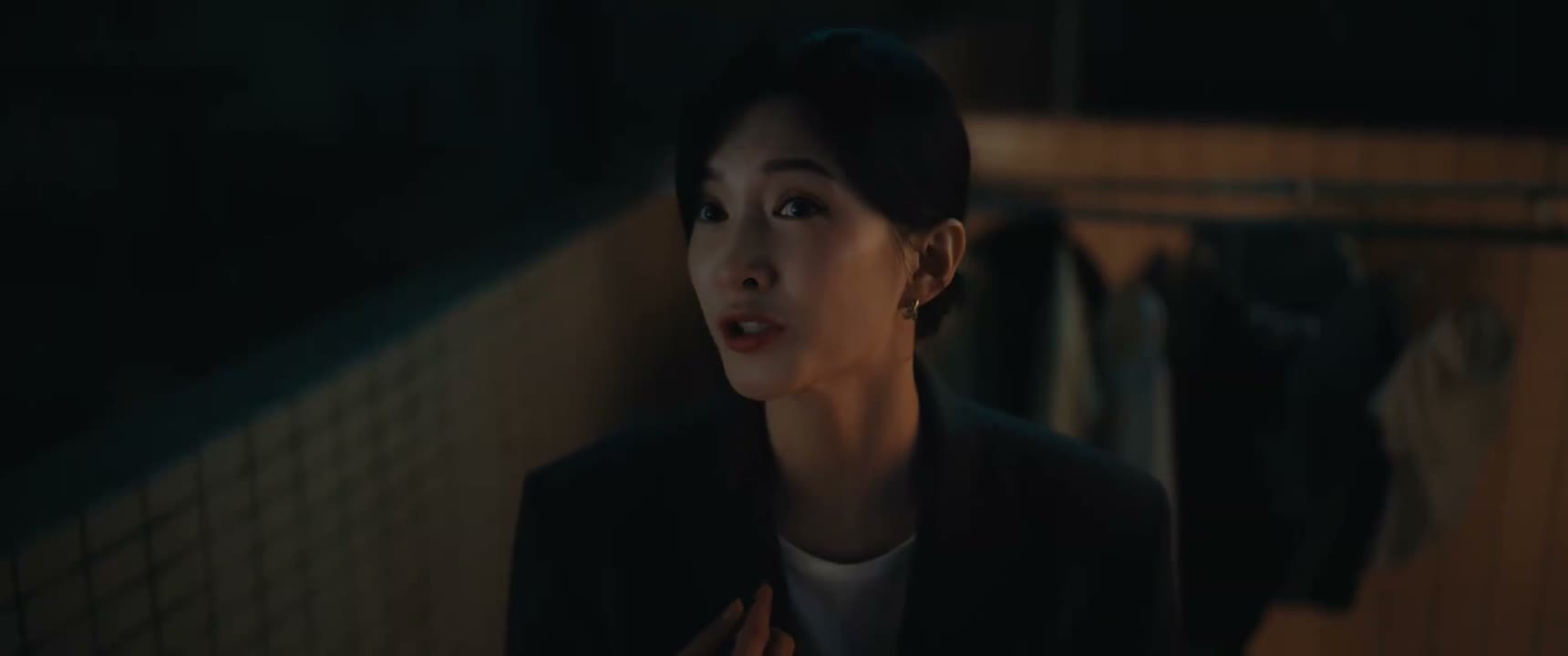 00:03
(然后你们所有人都可以脱身了) ── Previous context
“This is my fault. Of course, it's your fault!”
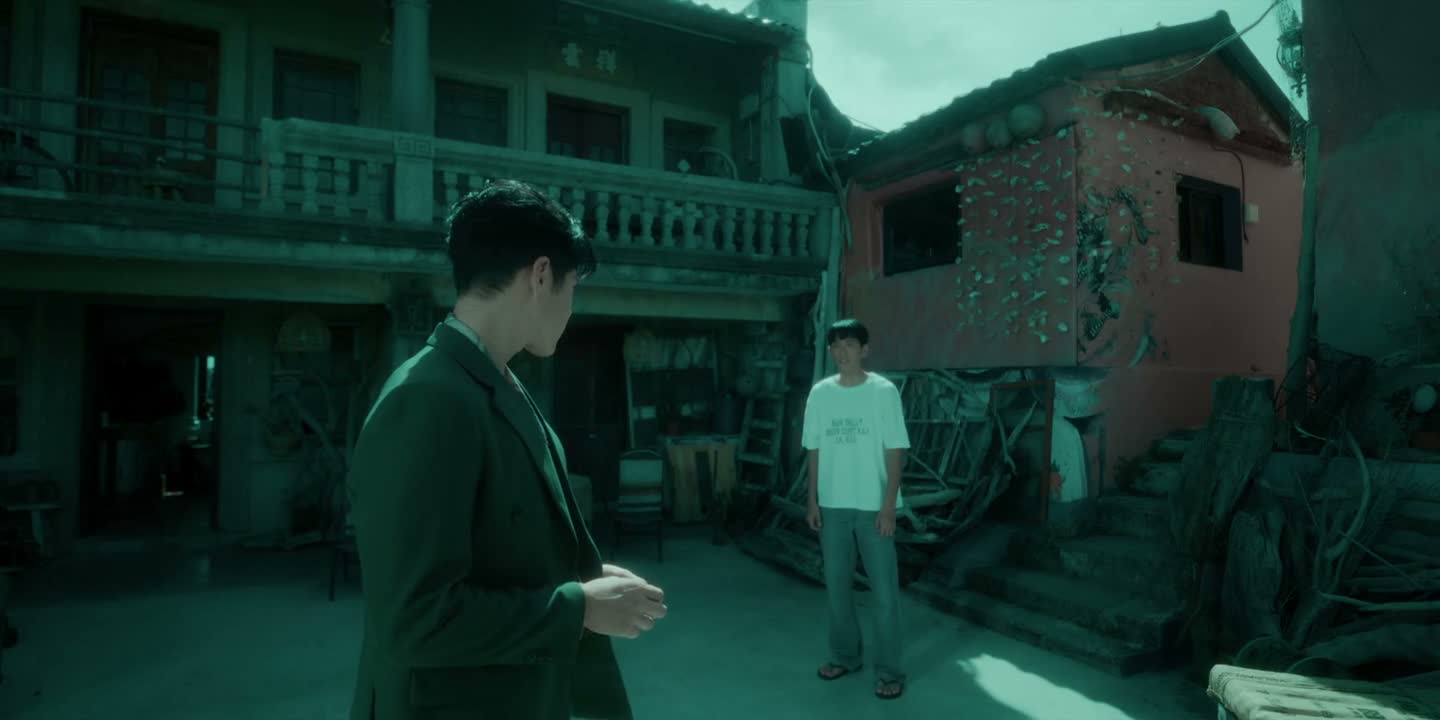 00:02
(他根本就没有许愿) ── Previous context
“Why does he have to bear the consequences of the mistake I made?”
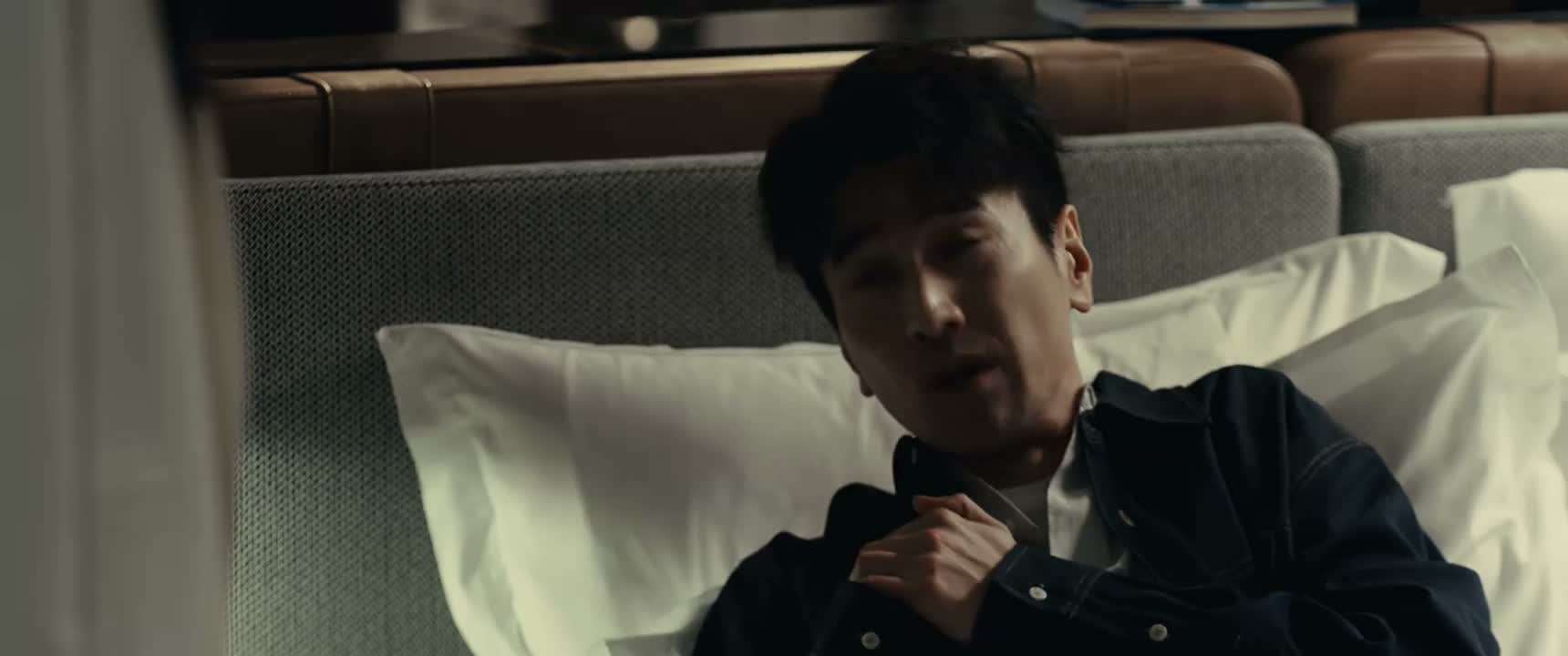 00:02
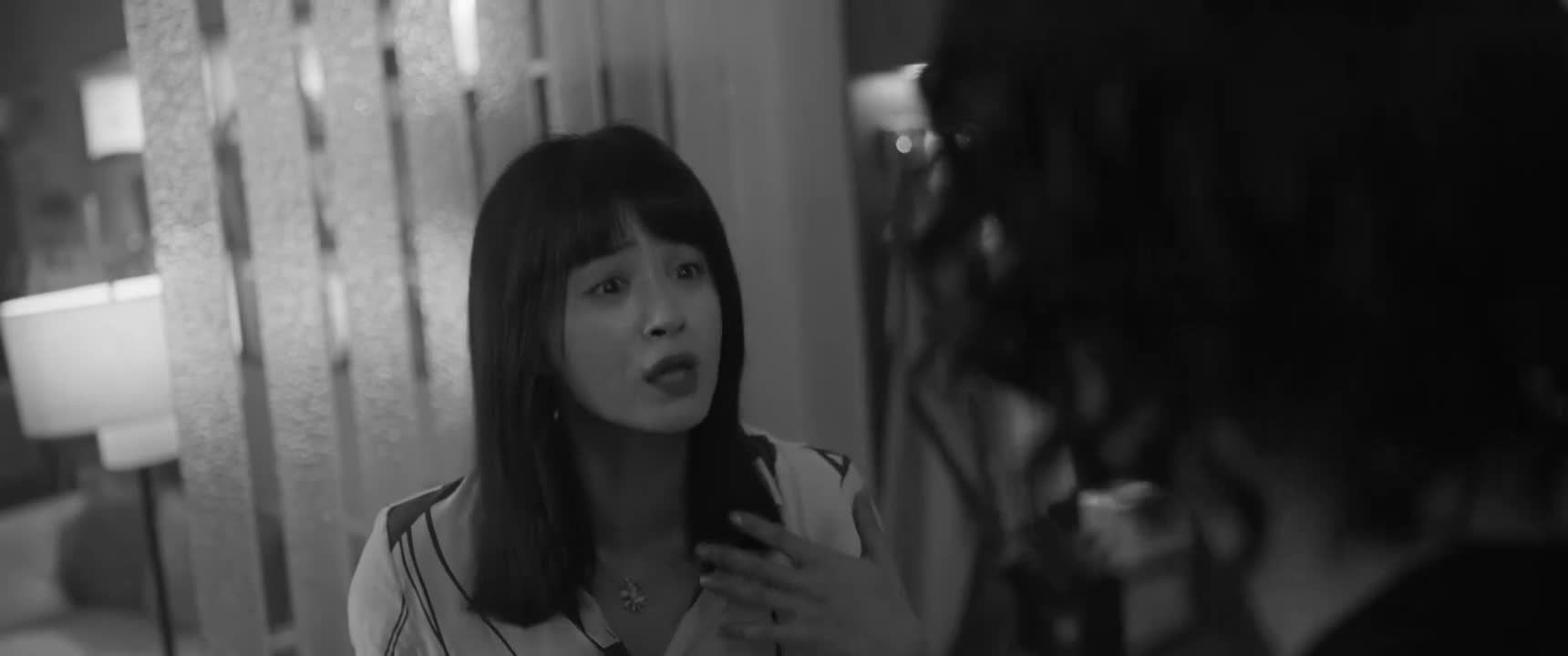 00:02
 00:03
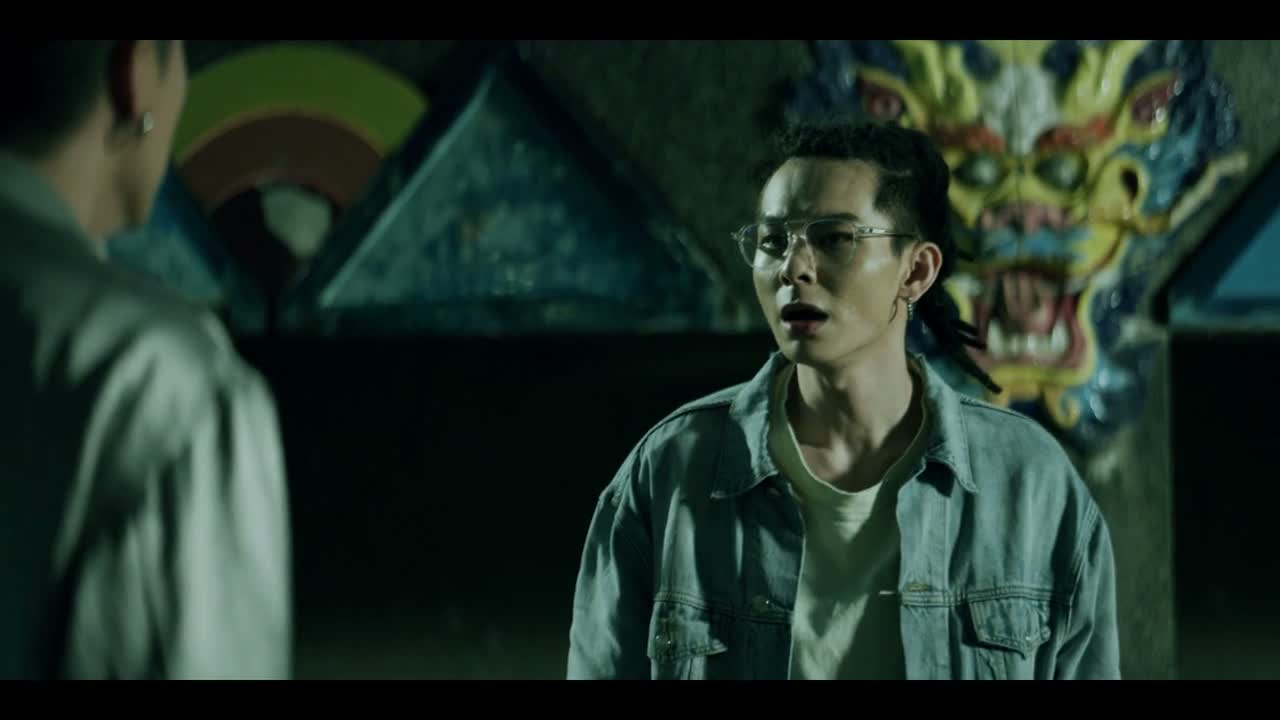
(我有说要玩这个吗?) ── Previous context
“You started everything. - So it's all my fault? - Who else? Fucking idiot.”
 00:03
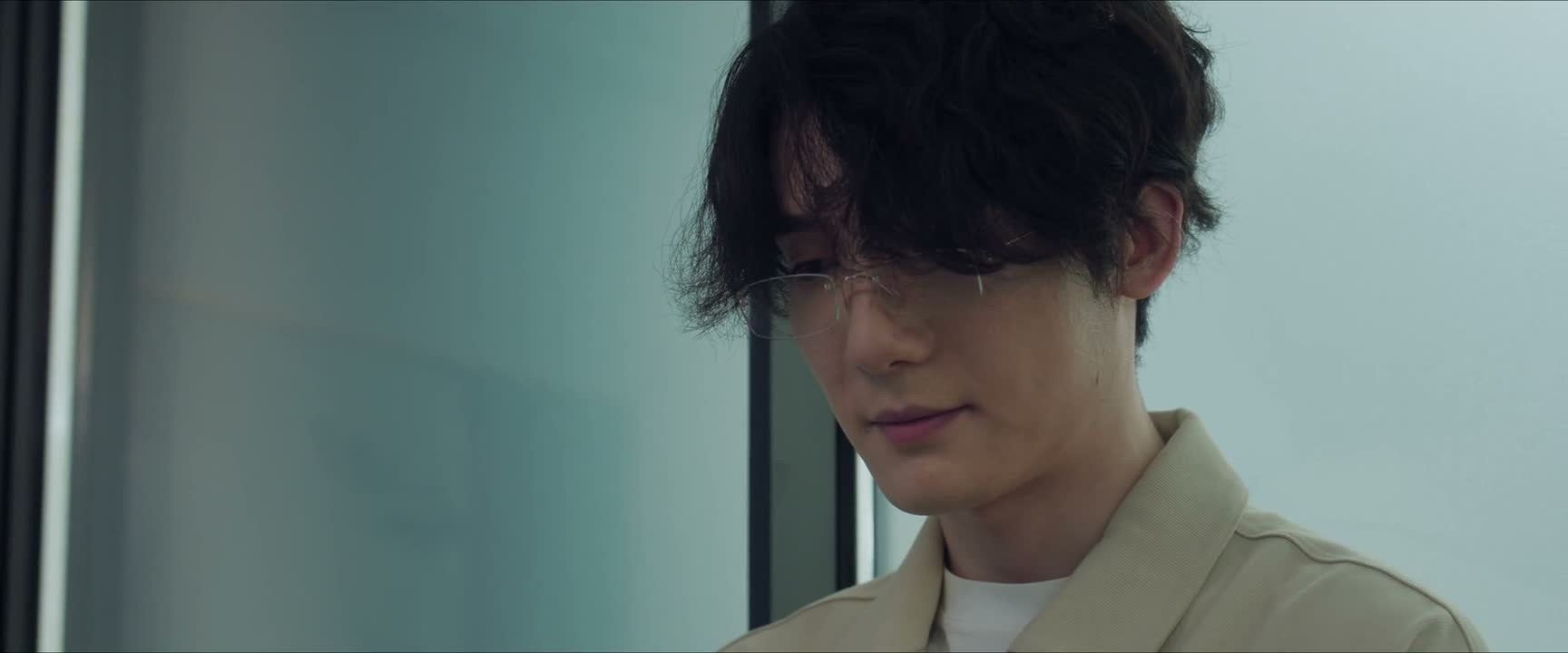
(你不介意吗 那也是因为我不配让她真诚) ── Previous context
“It's my fault. She didn't do anything wrong.”
 00:02
 00:03
[Scene: 家庭日常]
(4 clips) 00:03
 00:03
(你们俩合着伙 再骗我一回 扯平了吧) ── Previous context
“I-It's all my fault, because it's all about my business.”
 00:03
(本来 也是白芍做事欠妥) ── Previous context
“I didn't raise her well. It's my fault. Come on.”
 00:03
[Scene: 职场工作]
(4 clips) 00:03
(你看嘛) ── Previous context
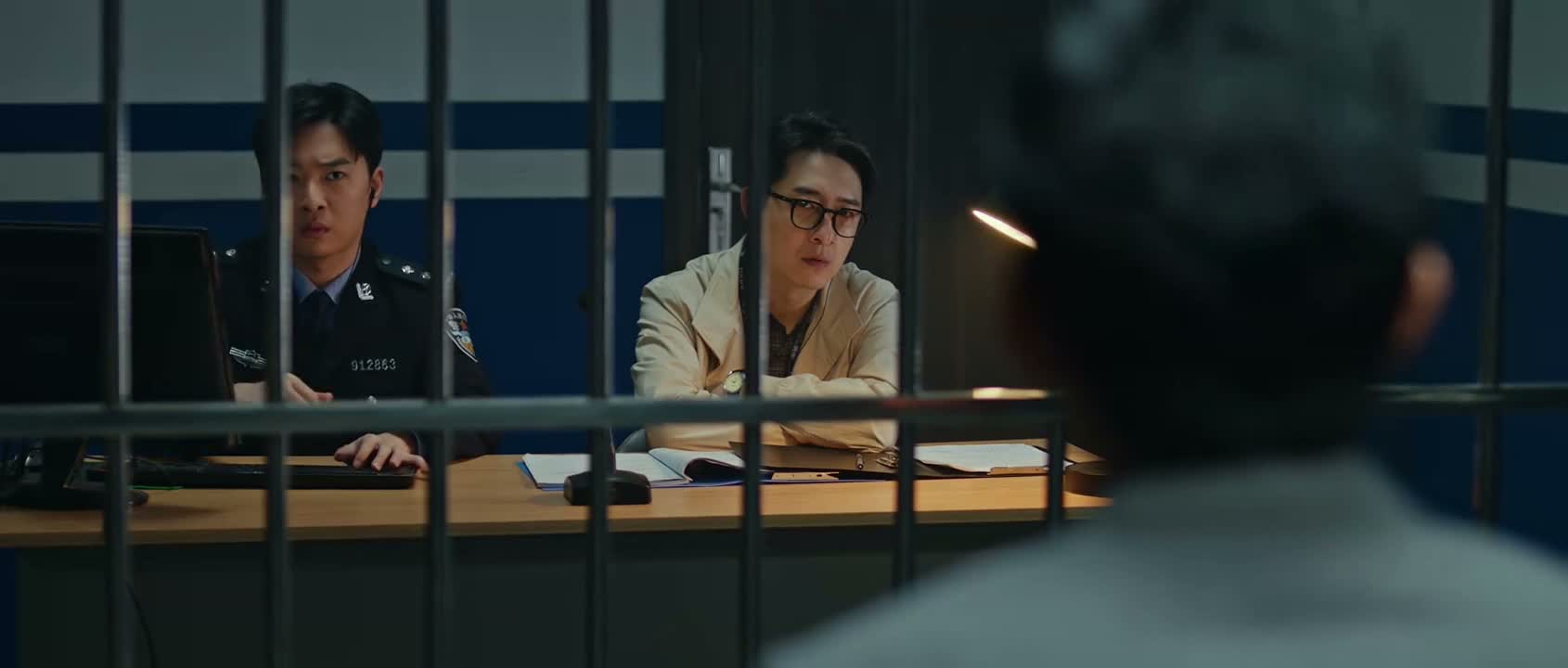
“It's my fault. Vice Director Chen, please don't dismiss me.”
 00:03
(我不会因为对手的美言几句 就扬扬得意) ── Previous context
“nor will I hold a grudge simply because my boss points out my mistakes.”
 00:03
 00:02
[Scene: 警匪刑侦]
(2 clips) 00:03
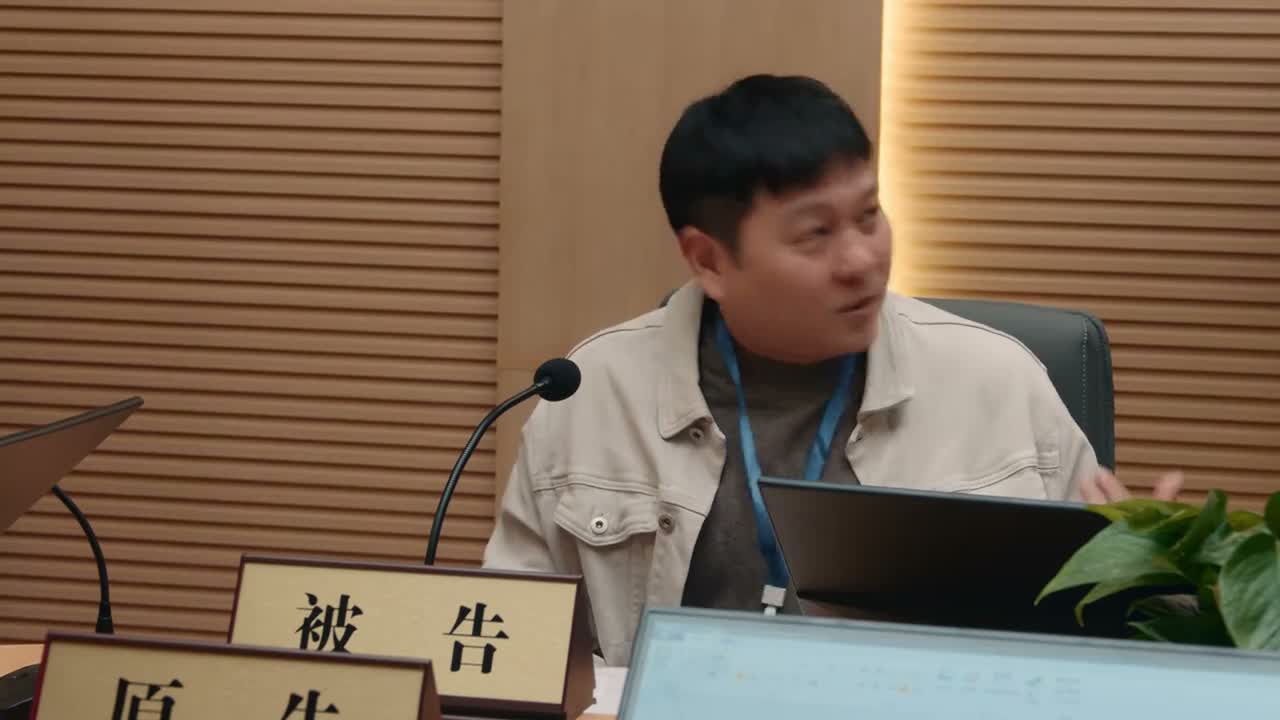 00:02
[Scene: 其他场景]
(1 clips) 00:03
(小名啊) ── Previous context
“Xiaoming, I'm so sorry. It's all my fault. Mr. Liu told me it was your story.”
[Scene: 社交聚会]
(1 clips) 00:03
📌 别问
→Nuance: 核心制止询问意图一致可互换
📌 一个人
→Nuance: 反诘句式相似,角度由主动变被动
📌 对不起
→Nuance: 口吻敷衍不耐烦,态度有变
📌 对不起
→Nuance: 核心交际意图完全一致,同义互换
📌 姐
→Nuance: 核心交际意图均为主动自责认错
⚡ 没事
→Contrast: 极性反义对撞: [对 ↔ 错]
⚡ 意外
→Contrast: 极性反义对撞: [对 ↔ 错]
⚡ 对不起
→Contrast: 极性反义对撞: [对 ↔ 错]
⚡ 去哪了
→Contrast: 极性反义对撞: [对 ↔ 错]
⚡ 行不行
→Contrast: 极性反义对撞: [行 ↔ 不行]