整个
zhěng gèCommon spoken expression used by native Chinese speakers in daily life.
[Scene: 其他场景]
(14 clips) 00:02
(当初谁在那边说很喜欢 很想要?) ── Previous context
“I spent all night throwing darts for it. My arm almost fell off.”
 00:02
 00:02
(对…) ── Previous context
“- [bystander 3] No. We didn't see anything. - [bystander 4] Do you know what happened?”
 00:03
 00:02
 00:02
 00:02
 00:02
 00:02
 00:02
(我打电话给你有用吗) ── Previous context
“Who else do you know in the photography circle besides me?”
 00:02
 00:02
 00:02
(你怎么能让Ocean(洋)毁货) ── Previous context
“My entire business plan has been completely ruined.”
 00:02
[Scene: 其他场景]
(7 clips) 00:02
 00:02
 00:02
 00:03
 00:02
 00:02
 00:02
[Scene: 历史宫廷]
(7 clips) 00:02
 00:02
(又全面开花的) ── Previous context
“the war ignited across the entire Pacific and Southeast Asia.”
 00:02
 00:02
(其实脚步虚浮) ── Previous context
“(Leaning on his maid) He was relying on that maid to support his weight.”
 00:02
 00:03
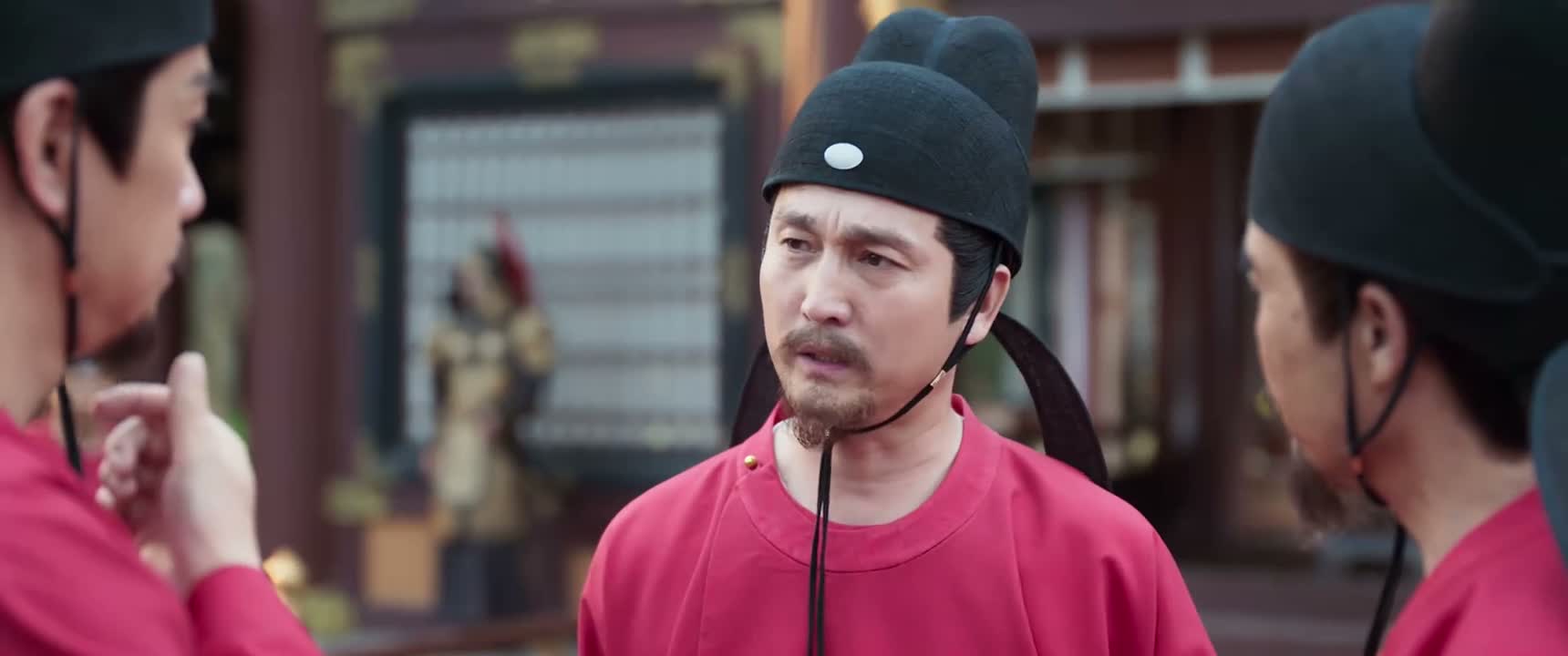
(皆关乎着) ── Previous context
“dictates the rise and fall, the honor and disgrace of our entire family.”
 00:03
[Scene: 商务沟通]
(4 clips) 00:04
 00:02
 00:02
 00:03
(这家的瑜伽裤非常的有弹性 是的) ── Previous context
“(You can see how well they fit the body.) (Take a look at this pair right here.)”
[Scene: 家庭日常]
(4 clips) 00:02
 00:02
 00:02
 00:02
(我考上了 七中 我考上高中了) ── Previous context
“Dad promised me a private theater if I get into high school.”
[Scene: 警匪刑侦]
(3 clips) 00:02
 00:03
 00:02
[Scene: 其他场景]
(1 clips) 00:02
📌 你看看
→Nuance: 同向近义词根配对: [高兴 ↔ 开心]
📌 知道吗
→Nuance: 同向近义词根配对: [知道 ↔ 清楚]
📌 怎么了
→Nuance: 同向近义词根配对: [高兴 ↔ 开心]
📌 一家子
→Nuance: 同向近义词根配对: [我们 ↔ 咱们]
📌 没有任何关系
→Nuance: 核心语义完全同义,可互换
📌 你知道吗
→Nuance: 同向近义词根配对: [知道 ↔ 清楚]
📌 怎么样
→Nuance: 范围缩小但交办事务意图相近