祝你
zhù nǐCommon spoken expression used by native Chinese speakers in daily life.
[Scene: 社交聚会]
(21 clips) 00:03
(谢谢你 小林老师) ── Previous context
“♪ All the dreamers awake alone ♪ Ms. Lin! ♪ Shadows above ♪ I hope you get prettier and prettier and stay happy every day.”
 00:03
 00:03
 00:02
 00:02
 00:03
 00:02
 00:02
 00:02
 00:02
 00:03
(强哥 谢谢你们来参加 我弟弟的生日啊) ── Previous context
“Sheng, I wish you a successful business. Thank you, brother.”
 00:02
(谢谢) ── Previous context
“And I wish you all the best and that everything goes smoothly.”
 00:02
 00:02
 00:03
 00:01
 00:03
 00:02
 00:02
 00:02
“Happy birthday to you.”
 00:03
(说好听点) ── Previous context
“Then I wish you make a fortune in the new year, win the lottery head up, and find a wallet head down,”
[Scene: 家庭日常]
(5 clips) 00:03
 00:02
 00:02
 00:02
 00:03
[Scene: 其他场景]
(4 clips) 00:02
 00:03
(这位朋友看好了) ── Previous context
“(I transferred 10,000 yuan to you.) (I wish for your success.)”
 00:02
 00:02
(你臭不要脸 没有没有没有 我们打电话过来就是想) ── Previous context
“to congratulate you. Call you next time.”
[Scene: 餐饮美食]
(4 clips)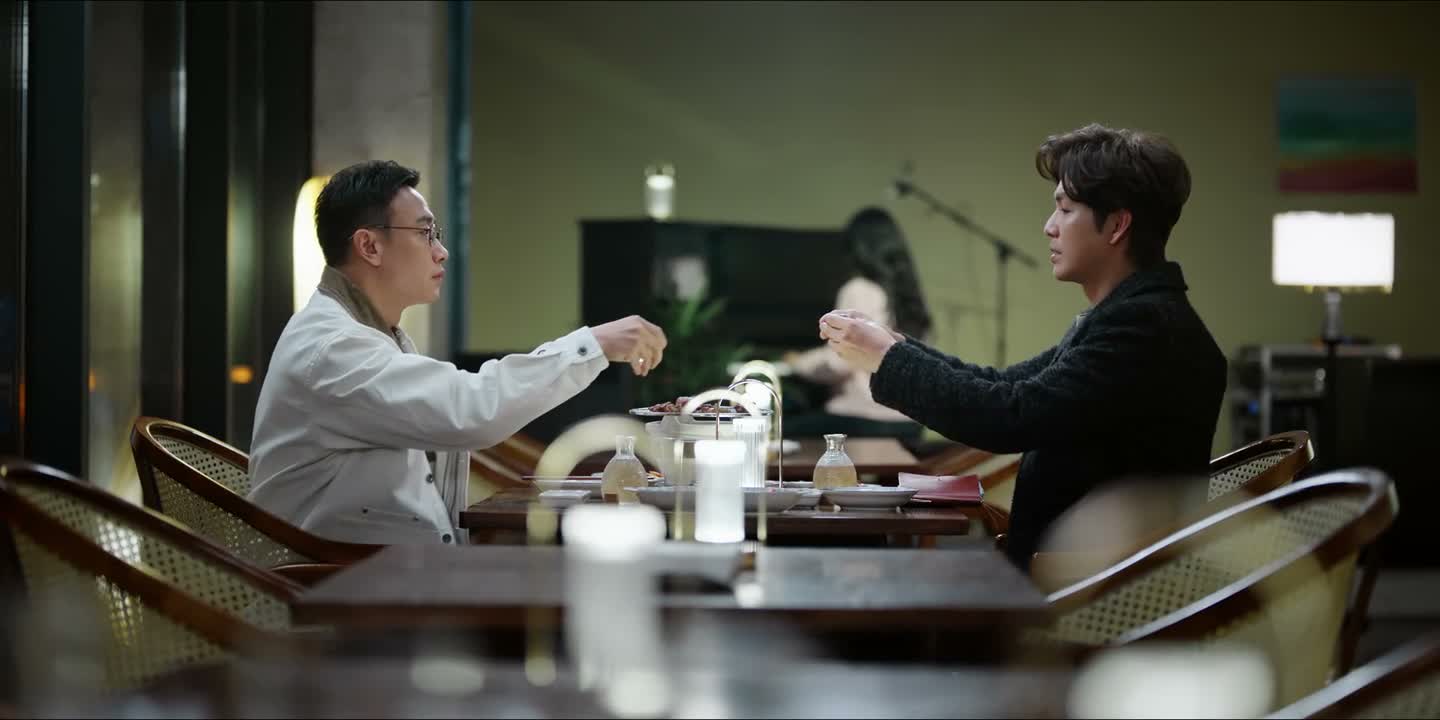 00:02
 00:02
 00:02
 00:02
(来来来 大家喝一杯 来) ── Previous context
“Thank you, San. May you always have more than you need.”
[Scene: 商务沟通]
(3 clips) 00:03
(那就不必再谈了 威尔逊先生) ── Previous context
“Goodbye! Have a good day! Bye-bye. Ge Jian, see them out.”
 00:02
 00:02
[Scene: 其他场景]
(2 clips)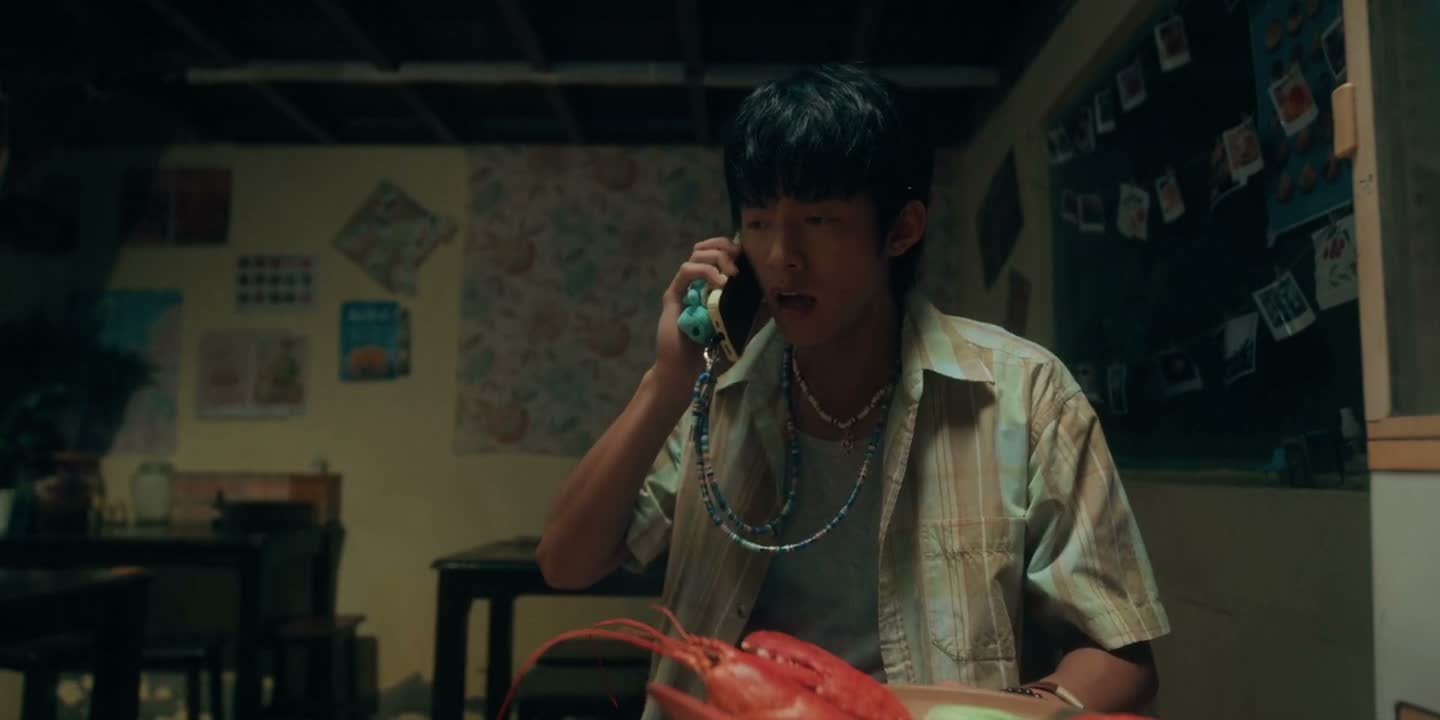 00:02
(我们需要保释一下) ── Previous context
“-Happy birthday to you... -Okay, I'm coming right now.”
 00:02
(送你的耳机 不知道你喜不喜欢) ── Previous context
“Happy birthday. Qiao Hailun. Let me explain.”
[Scene: 其他场景]
(1 clips)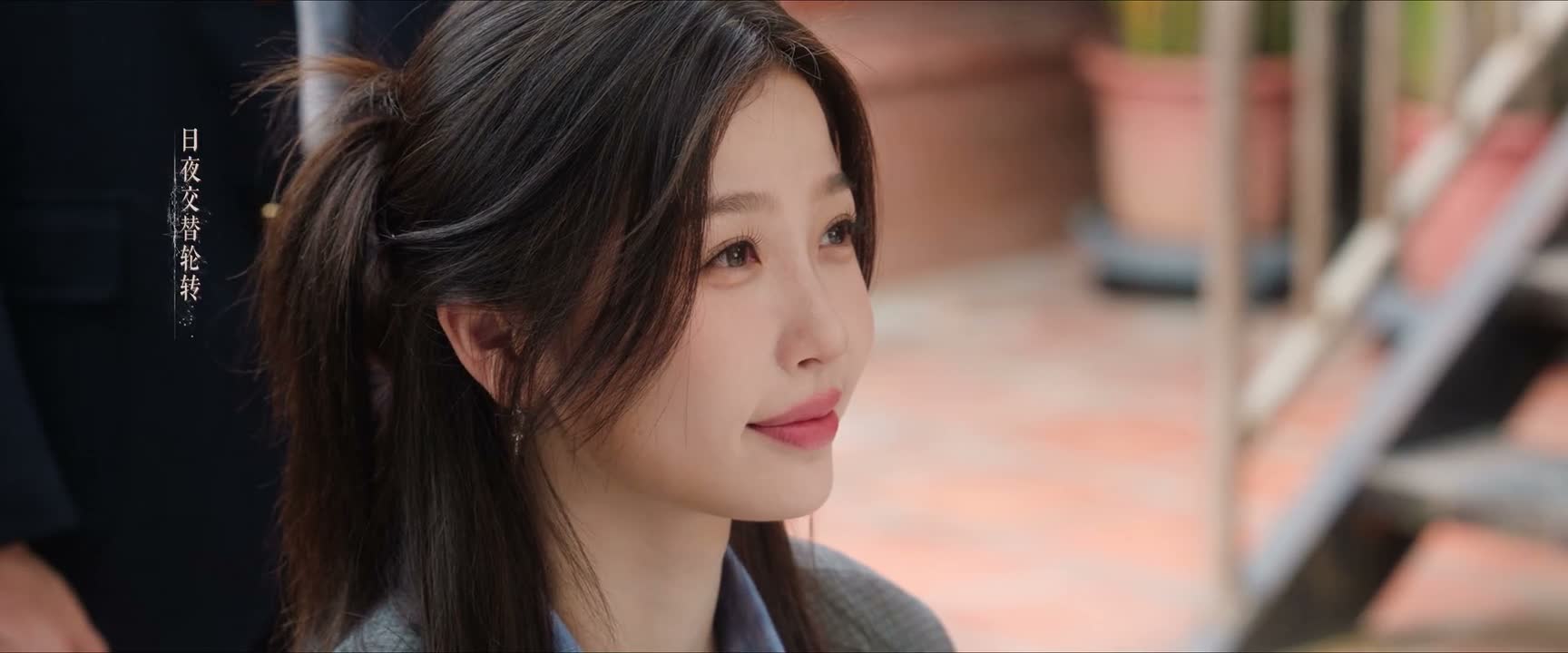 00:03
(谢谢你 教我去拥有那些面对困难的勇气) ── Previous context
“♪ Through day and night ♪ I will never forget what you said. ♪ I can see you ♪ Happy birthday to you.”
📌 好好过日子
→Nuance: 核心交际意图均为祝福母子二人
📌 相亲
→Nuance: 同为祝愿双方幸福美满
📌 看起来
→Nuance: 同向近义词根配对: [前途 ↔ 前程]
📌 我先走了
→Nuance: 离席道别核心意图完全相同
📌 待会
→Nuance: 同向近义词根配对: [我们 ↔ 咱俩]
📌 新年好
→Nuance: 同为对长辈/哥辈的新年祝词
📌 新年快乐
→Nuance: 祝大家与祝你们意图一致
📌 走了
→Nuance: 离席道别核心意图完全相同
📌 一块去
→Nuance: 同向近义词根配对: [我们 ↔ 咱俩]
📌 先走了
→Nuance: 离席道别核心意图完全相同