福气
fú qìCommon spoken expression used by native Chinese speakers in daily life.
[Scene: 历史宫廷]
(13 clips) 00:02
 00:02
 00:02
 00:03
 00:02
(我是吃多了 正好来散散 一会还要看目连救母呢) ── Previous context
“You're blessed with such a carefree nature.”
 00:02
 00:02
 00:03
(还有学政大人的推荐 李墨的难关) ── Previous context
“finally got over this crisis. This is the blessing for Li Ink.”
 00:03
(我不缺钱 进宫只是为了学习琴艺) ── Previous context
“That "blessing" you speak of means nothing to me.”
 00:02
 00:03
(这有吃有喝 逍遥自在的 他怎么过不是一生呢) ── Previous context
“If any lady could marry you, it would be her blessing.”
 00:02
 00:02
[Scene: 社交聚会]
(7 clips) 00:02
(婚礼的时候就用你最喜欢的 郁金香作为手捧花) ── Previous context
“But too bad I don't have that kind of luck.”
 00:02
 00:02
 00:02
(纪家却花这么大手笔 给她办及笄礼) ── Previous context
“Some people are just born under a lucky star.”
 00:02
 00:02
 00:03
(那儿有一棵千年的银杏树 此时正是泛金的时候) ── Previous context
“Maybe we can share its luck and longevity.”
[Scene: 其他场景]
(6 clips) 00:02
 00:02
 00:03
(莫不是 她前世修来的福气) ── Previous context
“Lucky for days, and a temper to match! A few days ago,”
 00:02
 00:02
 00:03
[Scene: 家庭日常]
(6 clips) 00:03
(我们小碗儿这叫什么 这就叫大难不死必有后福) ── Previous context
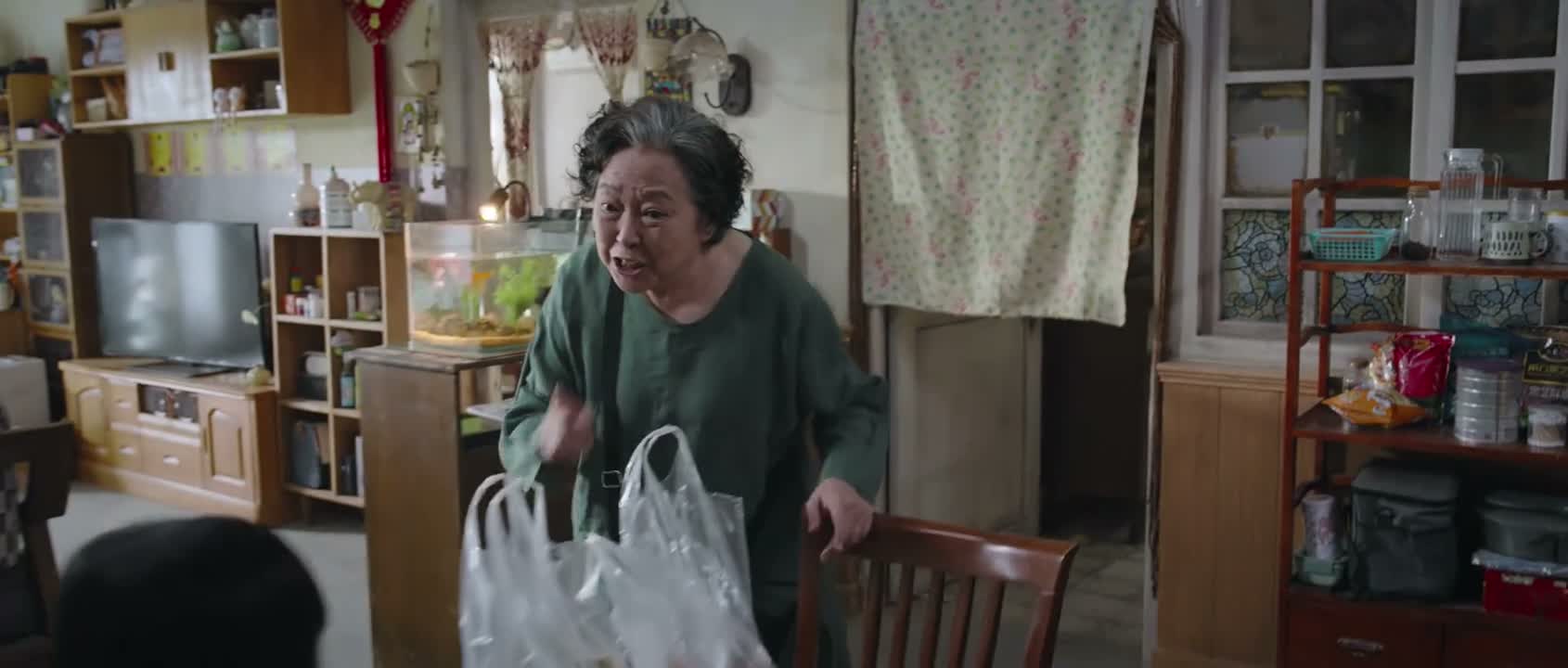
“Exactly. My Lady, there must be plenty of blessings coming your way.”
 00:02
 00:03
 00:02
 00:03
 00:02
[Scene: 商务沟通]
(1 clips) 00:02
[Scene: 其他场景]
(1 clips) 00:02
[Scene: 其他场景]
(1 clips) 00:02
[Scene: 职场工作]
(1 clips) 00:03
📌 没事
→Nuance: 意图完全一致,均表大难余生
📌 看起来
→Nuance: 调侃对方运气好,表意相近
📌 姐
→Nuance: 同为夸赞对方福气大
📌 姐
→Nuance: 同向近义词根配对: [福气 ↔ 洪福]
📌 不知道
→Nuance: 核心句式与交际意图完全一致
📌 福星
→Nuance: 同向近义词根配对: [我们 ↔ 咱们]
📌 是不是
→Nuance: 表达福气意图一致但口吻不同
📌 是不是
→Nuance: 都表示感叹对方很有福气
📌 真走运
→Nuance: 调侃对方运气好,表意相近