有资格
yǒu zī géCommon spoken expression used by native Chinese speakers in daily life.
[Scene: 职场工作]
(10 clips) 00:02
(只是跑跑场子 卖卖酒 谈谈客户) ── Previous context
“then you're not qualified to be the Sales Director!”
 00:02
 00:02
(是我们江棉一厂 重点培养的人才) ── Previous context
“Of course, she qualifies. I wanted to go to college, too.”
 00:02
 00:02
 00:02
 00:03
(有茅老的亲自举荐 再加上小夏师妹) ── Previous context
“innovative work, she is certainly qualified,”
 00:03
 00:03
(是啊) ── Previous context
“If a 30 million project isn't considered an established work, then we aren't qualified”
 00:02
[Scene: 其他场景]
(9 clips)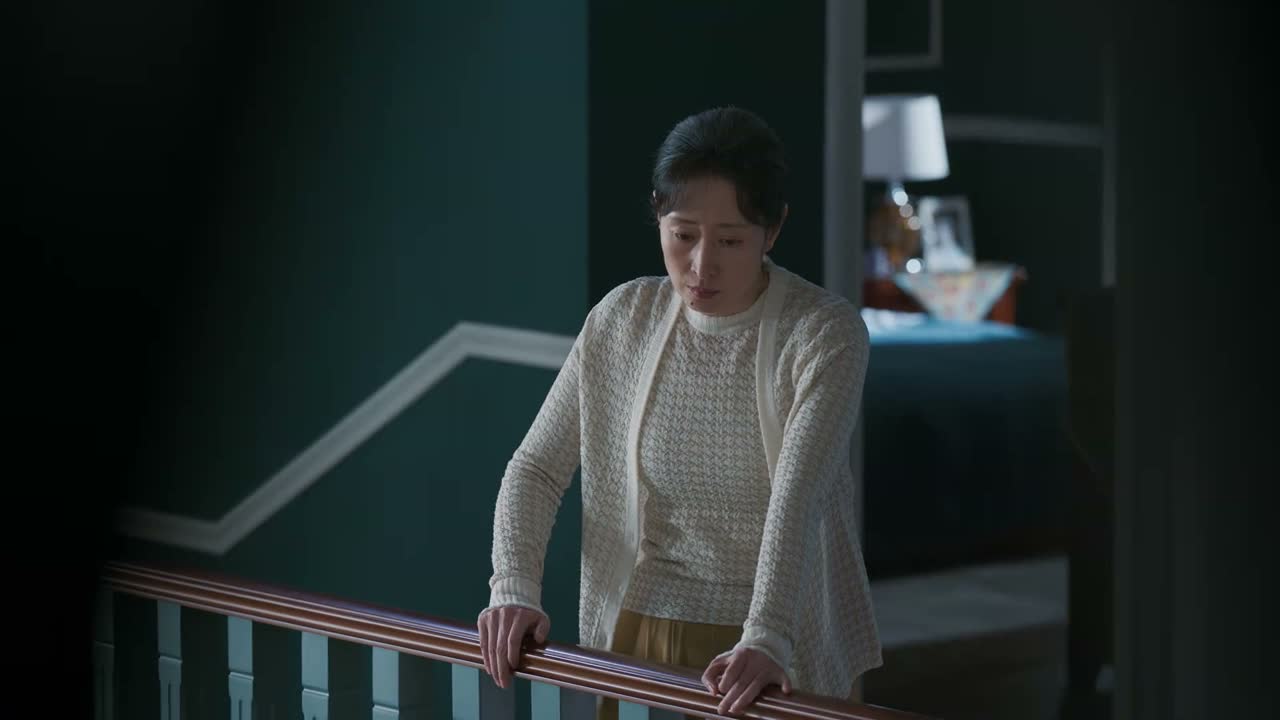 00:02
 00:02
 00:03
 00:02
 00:03
 00:02
 00:02
(大哥死了谁心里都不好受) ── Previous context
“Don't think you're the only one entitled to act out.”
 00:02
(拜托你不要再跟周奕凯说 我跟他爸怎么样了) ── Previous context
“You don't get to do that. Do you hear me?”
 00:02
[Scene: 社交聚会]
(9 clips) 00:02
 00:02
 00:02
(为了温饱耗尽心思的人) ── Previous context
“no one has the right to judge them. ♪ Just like the outline in the mirror ♪”
 00:02
 00:03
(他凭什么给我打分呢) ── Previous context
“(In this world,) (who has the right to rate anyone?)”
 00:02
 00:02
(以我现在的处境) ── Previous context
“♪ You outshine the stars ♪ I don't have the right to pursue happiness. ♪ And hold them in your palm ♪”
 00:02
 00:02
[Scene: 家庭日常]
(2 clips) 00:02
(他就应该想到会有今天) ── Previous context
“Not everyone in this world deserves to be a father.”
 00:02
[Scene: 历史宫廷]
(2 clips) 00:03
 00:02
[Scene: 警匪刑侦]
(1 clips) 00:02
📌 千万不要
→Nuance: 同向近义词根配对: [不用 ↔ 不要]
📌 我哪有
→Nuance: 反问句式相近,表达无暇顾及
📌 没怎么
→Nuance: 更委婉地表达不怪对方
📌 有什么资格
→Nuance: 同类质问句式,否定对方资格
📌 有什么资格
→Nuance: 表达自认没有资格,意图一致可互换
📌 是吗
→Nuance: 更委婉地表达不怪对方
📌 不是
→Nuance: 同表不做评判,表达更谦逊客气
📌 没有办法
→Nuance: 表达无能为力的同类委婉说法
📌 你说
→Nuance: 核心均指责对方没有发言资格