有什么问题
yǒu shén me wèn tíCommon spoken expression used by native Chinese speakers in daily life.
[Scene: 职场工作]
(14 clips) 00:03
(落户安家) ── Previous context
“They want to build Yuehai together with us. What's the problem?”
 00:03
(我也想保你 但真的左右不了) ── Previous context
“But I don't get it. My performance has been fine.”
 00:03
(我给别人都介绍十几分钟了 你凭啥抢我客户) ── Previous context
“The customer can buy wherever they want. Is there a problem?”
 00:02
(多少还是能够分到一点) ── Previous context
“So, supporting himself basically isn't a problem.”
 00:02
(后面开展工作 还需要你的帮助呢) ── Previous context
“What is the problem with the women in our county?”
 00:02
 00:03
 00:03
(他投资他比我厉害 他做游戏他比你厉害吧) ── Previous context
“What's wrong with being close to him? It'll only benefit me, right?”
 00:02
(整合有什么问题吗 不) ── Previous context
“there's nothing wrong with the consolidation itself.”
 00:02
 00:03
(蔡局长) ── Previous context
“is there an issue with these land use certificates? From what I understand,”
 00:03
(宇哥 其实最近李岳演得确实不错) ── Previous context
“Don't be discouraged. Just fix the issues, and you'll be fine. What issues do I have?”
 00:03
(我还向莱蒙那边催了财报) ── Previous context
“Mr. Xiao, may I ask— since I've completed all the work, what exactly is my problem?”
 00:03
(我们选择其中一方代理 把另一方) ── Previous context
“and refer the other to suitable lawyers. What's the problem with that?”
[Scene: 其他场景]
(6 clips)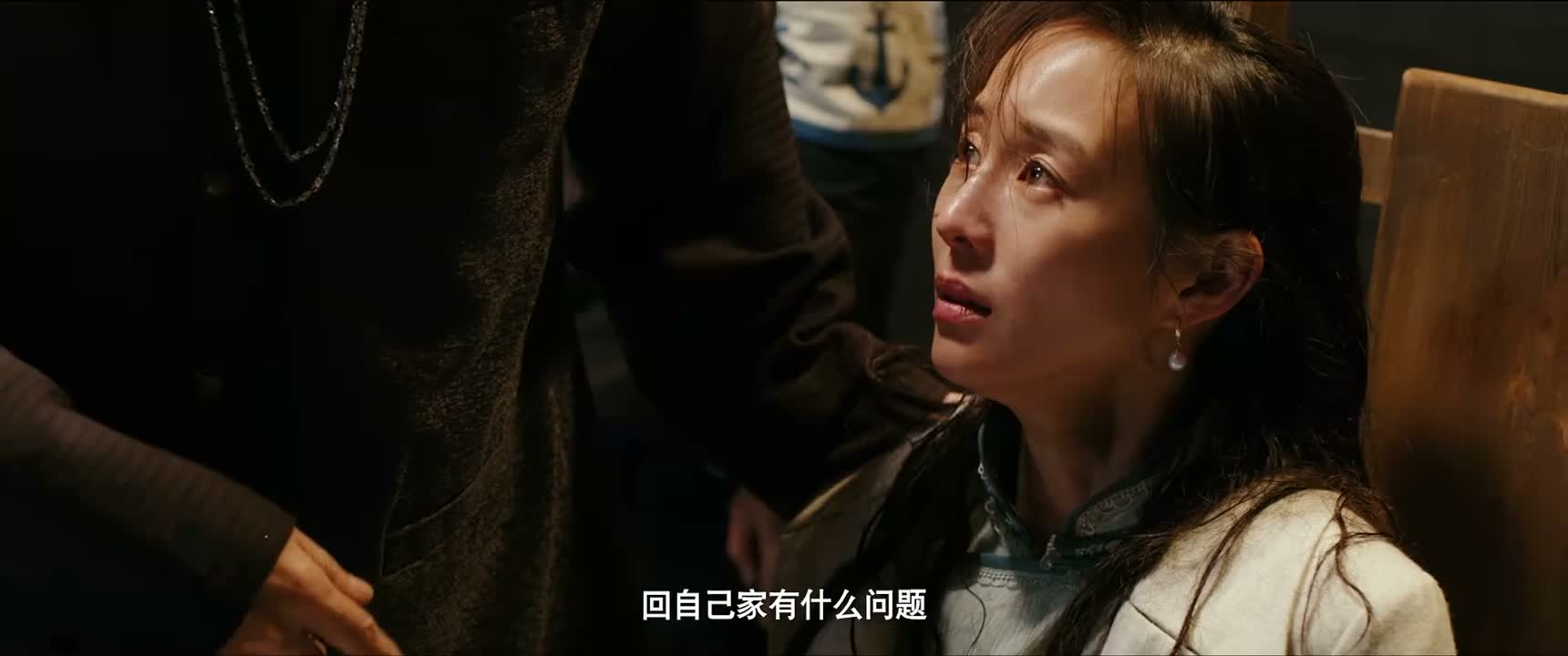 00:02
 00:02
 00:02
 00:03
(合理合法 房款呢我也全都付清了) ── Previous context
“If you have a problem, take it up with him. It has nothing to do with me.”
 00:03
(欺负人 欺负一个女同志算什么) ── Previous context
“If you have any questions, ask me. I'll answer them.”
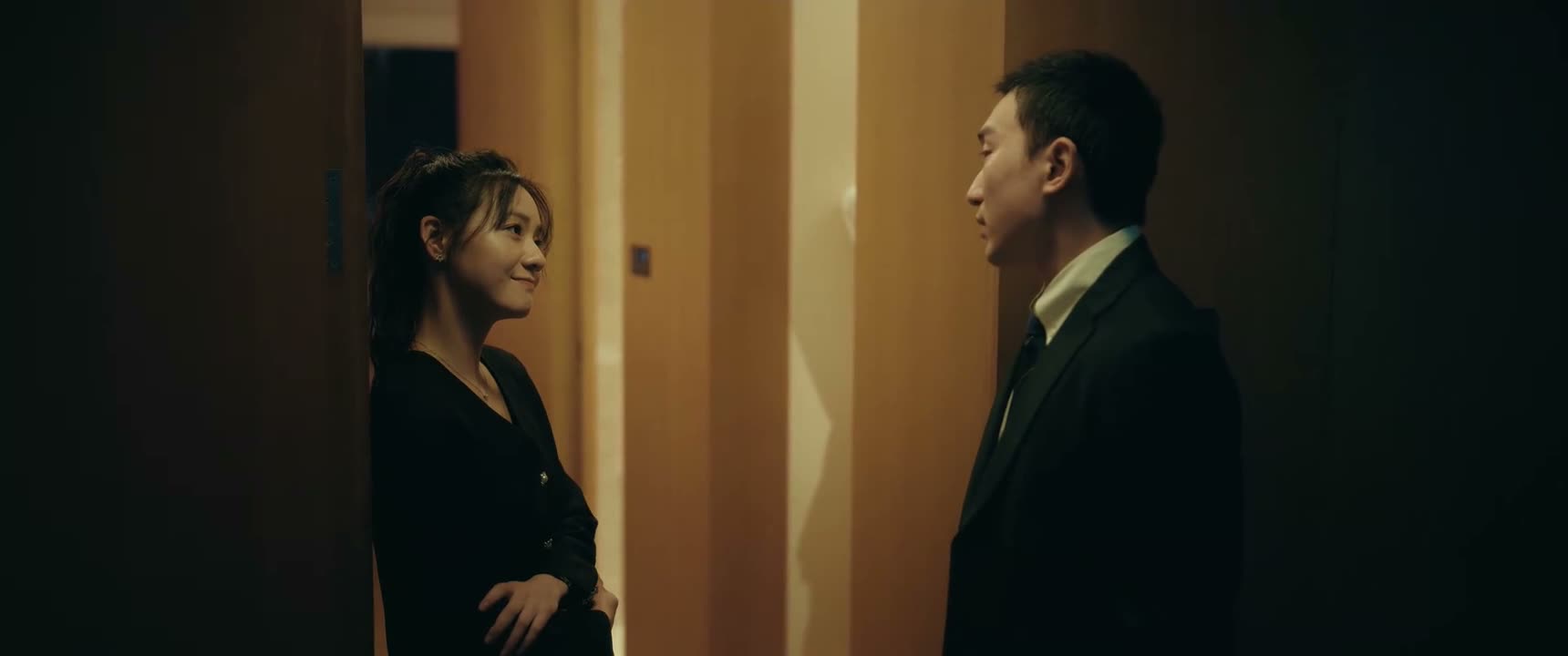 00:03
(老大不让你出去 是为了你好) ── Previous context
“If you go out without permission, you'll bear the consequences.”
[Scene: 社交聚会]
(4 clips) 00:03
(帮我带人去东风市场热闹热闹 让韩杰越忙越好) ── Previous context
“No problem, boss. That's my specialty.”
 00:02
 00:03
 00:02
[Scene: 商务沟通]
(3 clips) 00:03
(收购和借贷合同) ── Previous context
“I signed them. Is there an issue? Then, you should be very clear.”
 00:03
(您一切放心) ── Previous context
“It's pretty tidy here. Feel free to contact me if there are any issues in the future.”
 00:02
(你不会是来跟我提 那什么游戏公司买版权的事吧) ── Previous context
“Didn't they offer a sky-high price? What's the problem?”
[Scene: 家庭日常]
(3 clips) 00:02
 00:02
 00:03
(你有病吧 干吗穿我衣服) ── Previous context
“You gave it to me. Why can't I wear my own jacket?”
[Scene: 其他场景]
(2 clips) 00:02
 00:02
[Scene: 其他场景]
(2 clips) 00:03
(我是她的班主任 对 我是 我们系的秘书) ── Previous context
“Doctor, does this girl have some kind of mental issue?”
 00:03
(多呼吸呼吸新鲜空气 好 谢谢啊 下周吧) ── Previous context
“Next week, I'll schedule another checkup. If there are no issues, you can be discharged.”
[Scene: 警匪刑侦]
(2 clips) 00:02
 00:02
(眼镜也是危险品 我先替您保管吧) ── Previous context
“There's a camera there. Call out if anything happens.”
[Scene: 其他场景]
(2 clips) 00:03
 00:03
(不是说辍学了几年吗 我以为已经二十多岁了) ── Previous context
“Reporters, don't just stand there. If you have questions,”
[Scene: 出行交通]
(2 clips) 00:03
(等等) ── Previous context
“There are doctors on board. You can see them for any issues.”
 00:02
📌 放心
→Nuance: 以安抚口吻建议检查,意图相近
📌 行吧
→Nuance: 同向近义词根配对: [助手 ↔ 帮手]
📌 不好意思
→Nuance: 意图相同鼓励对方有问题问自己
📌 怎么回事
→Nuance: 同向近义词根配对: [为什么 ↔ 怎么]
📌 是不是
→Nuance: 同向近义词根配对: [医生 ↔ 大夫]
⚡ 没事
→Contrast: 独立消化与随时可问态度相反
⚡ 行不行
→Contrast: 极性反义对撞: [可以 ↔ 不行]
⚡ 是不是
→Contrast: 认为必然有问题并质疑操作
⚡ 是不是你
→Contrast: 认为必然有问题并质疑操作
⚡ 没问题
→Contrast: 极性反义对撞: [不能 ↔ 可以]