保重
bǎo zhòngCommon spoken expression used by native Chinese speakers in daily life.
[Scene: 社交聚会]
(11 clips) 00:03
 00:03
 00:02
 00:02
 00:02
 00:03
 00:03
 00:02
 00:02
 00:02
 00:02
[Scene: 历史宫廷]
(6 clips) 00:03
 00:02
 00:03
(陛下 陛下 陛下 慌慌张张成何体统) ── Previous context
“This... This... -Father! -Father! Father, please take care of your health!”
 00:02
 00:02
 00:03
[Scene: 其他场景]
(5 clips) 00:03
(轩师傅) ── Previous context
“You don't look very well today. Take care of yourself.”
 00:03
 00:02
 00:02
 00:02
[Scene: 其他场景]
(3 clips) 00:02
(你打算 在这儿待多久) ── Previous context
 00:02
(时间不够了 师父 虾仔) ── Previous context
“take care of yourselves. I'll go find a place to hide.”
 00:02
[Scene: 家庭日常]
(3 clips) 00:02
 00:02
 00:02
[Scene: 其他场景]
(1 clips)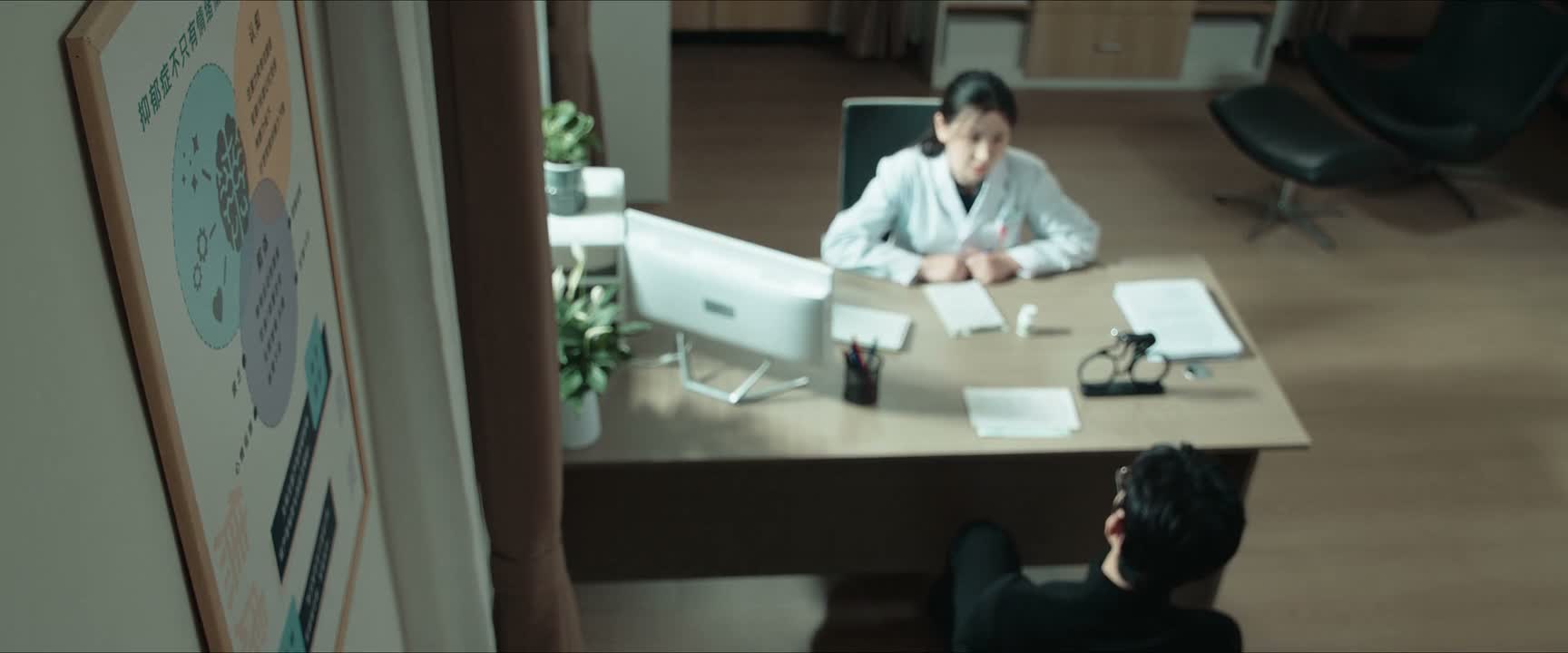 00:05
(对你的生命消耗是很严重的) ── Previous context
“Professor Jiang, staying healthy and staying alive are much more important than your work.”
[Scene: 警匪刑侦]
(1 clips) 00:02
[Scene: 出行交通]
(1 clips) 00:02
📌 注意点
→Nuance: 同向近义词根配对: [以后 ↔ 今后]
📌 放心
→Nuance: 同向近义词根配对: [以后 ↔ 今后]
📌 算了
→Nuance: 同向近义词根配对: [今日 ↔ 今天]
📌 放心吧
→Nuance: 同义互换,书面化叮嘱保重
📌 好好吃
→Nuance: 同向近义词根配对: [身体 ↔ 身子]
📌 小心
→Nuance: 叮嘱关怀意图相近表达不同
📌 在家
→Nuance: 同向近义词根配对: [身体 ↔ 身子]
📌 好吃
→Nuance: 同向近义词根配对: [身体 ↔ 身子]
📌 您好
→Nuance: 同向近义词根配对: [身体 ↔ 身子]
📌 什么时候
→Nuance: 同表对未来难再相见的道别感叹