欺负你
qī fù nǐCommon spoken expression used by native Chinese speakers in daily life.
[Scene: 社交聚会]
(14 clips) 00:02
 00:02
 00:03
(我已经安排好黄鼠狼小弟们照顾你了) ── Previous context
“If anyone dares hurt you, go ask them for help.”
 00:02
 00:02
 00:03
(你怎么哭了) ── Previous context
“Which bastard bullied you? I'll take him down right now!”
 00:03
“Don't cry. People around thought I was bullying you.”
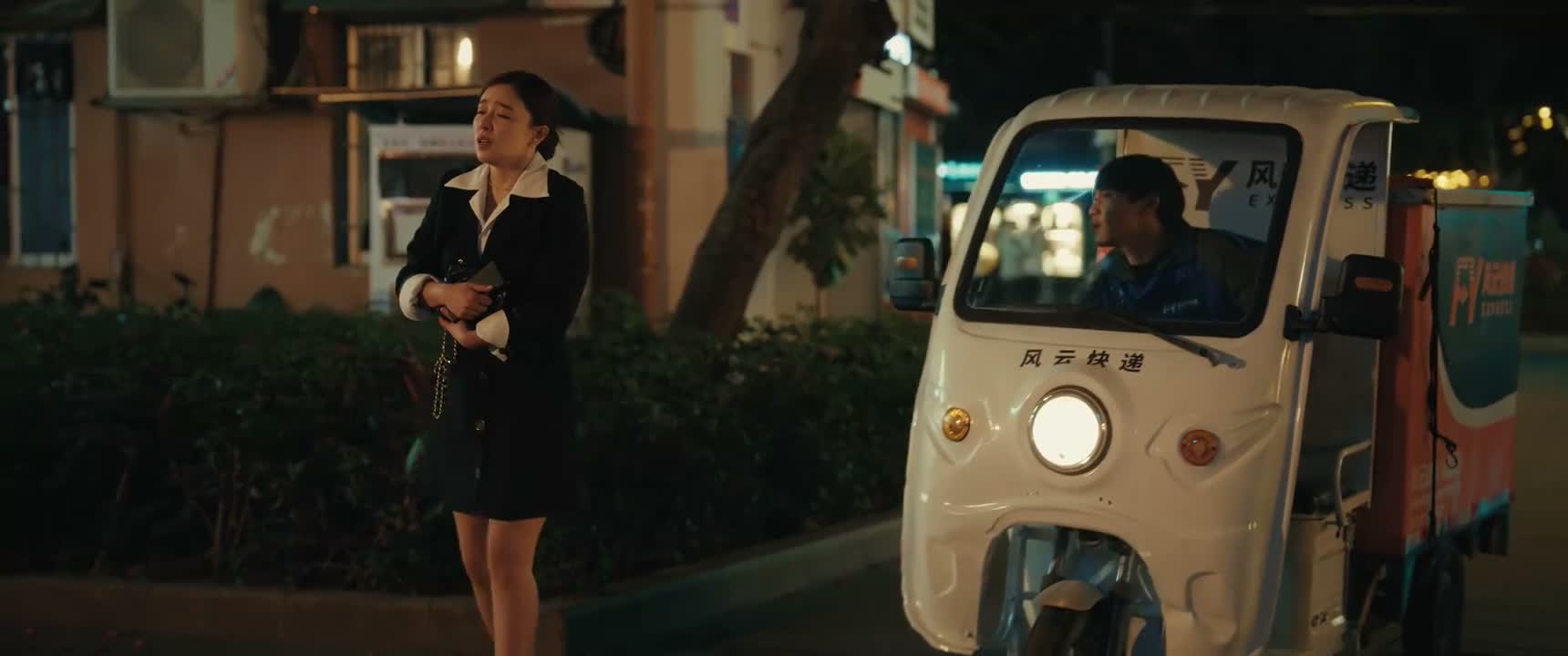 00:03
(乔小姐) ── Previous context
“if anyone bullies you, don't be afraid. You're my friend.”
 00:02
 00:03
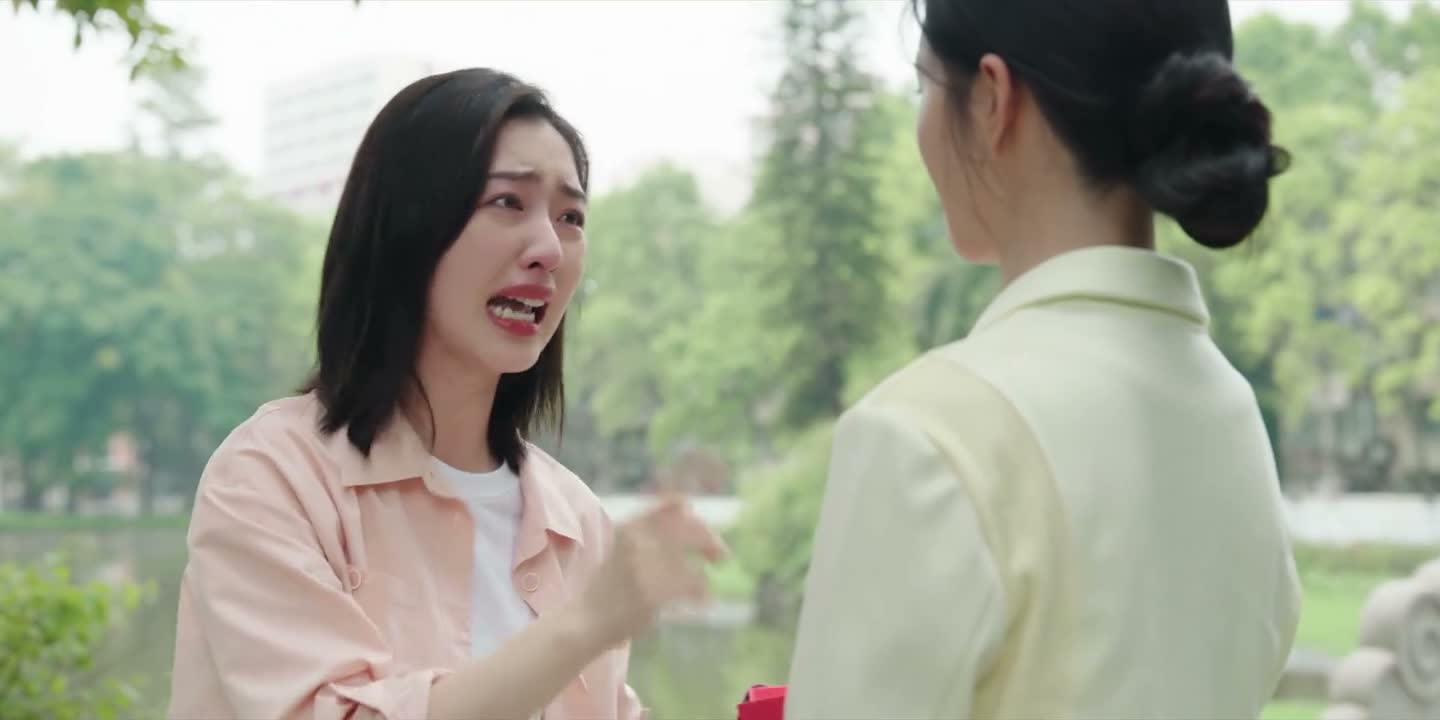 00:02
 00:02
 00:03
 00:02
[Scene: 其他场景]
(10 clips) 00:02
 00:02
 00:03
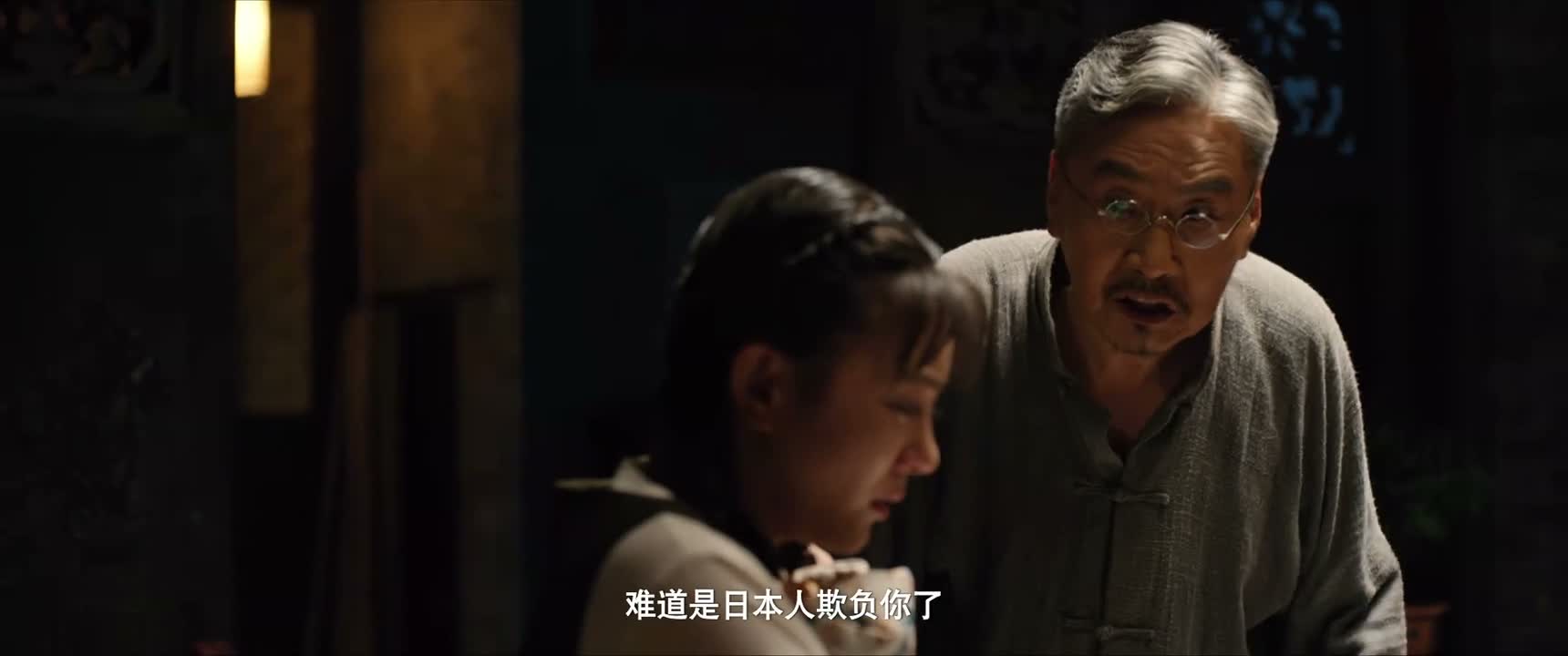 00:02
 00:03
(你回来 夏晓兰) ── Previous context
“Be good and get on the bike. Xiaolan, get on. Sit in the front. No one will dare bully you.”
 00:02
 00:02
 00:02
(周小福你说什么呢 你觉得我像以前) ── Previous context
“Do you really think I'm still that same pushover? Who's pushing you around?”
 00:02
 00:02
[Scene: 家庭日常]
(6 clips) 00:02
 00:02
 00:03
(就是在工厂干活的时候烫的) ── Previous context
“What kind of work would do that? Did someone bully you or something?”
 00:02
 00:03
 00:02
[Scene: 其他场景]
(5 clips) 00:03
(不关你事) ── Previous context
“You don't even earn much. Why are they bullying you?”
 00:03
(老高 你还真是老实) ── Previous context
“Have you forgotten how they bullied you before? Not anymore.”
 00:03
(换个地方打工并不难) ── Previous context
“It's also not that easy. Otherwise, with a bully like Nan,”
 00:01
 00:02
[Scene: 其他场景]
(4 clips) 00:03
(我没有 我真没有啊) ── Previous context
“You dare sneak off and tell the teacher that we've been bullying you?”
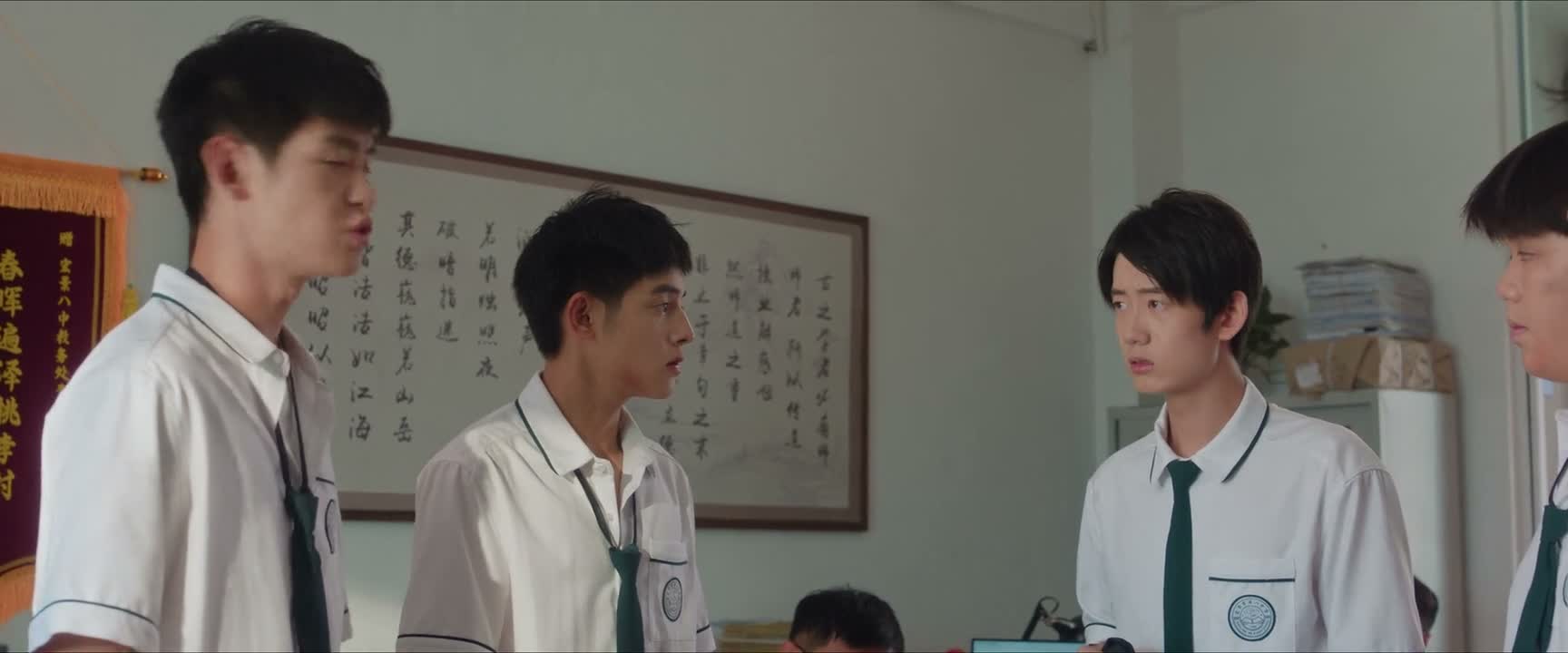 00:03
(同学) ── Previous context
“tell the Director the truth. How did those two jerks bully you?”
 00:03
(这不是你的书 行了 你们两个够了 同学) ── Previous context
“what do you mean by this? They bullied you like that, and we stood up for you.”
 00:02
[Scene: 历史宫廷]
(1 clips) 00:02
(我就说大姐姐和陈玄青 私相授受) ── Previous context
“Now you have something on her. She won't be able to bully you anymore.”
📌 没事
→Nuance: 同向近义词根配对: [现在 ↔ 今天]
📌 不容易
→Nuance: 同向近义词根配对: [这样 ↔ 这么]
📌 不知道
→Nuance: 同向近义词根配对: [现在 ↔ 今天]
📌 回来了
→Nuance: 同为劝慰但换用在意外人理由
📌 怎么了
→Nuance: 同样表达关切询问,变体表达
📌 怎么了
→Nuance: 同为看到对方委屈后的关心询问
📌 是不是
→Nuance: 询问被欺负意图完全一致可互换
📌 又不是
→Nuance: 同为劝慰但换用在意外人理由