慢走
màn zǒuCommon spoken expression used by native Chinese speakers in daily life.
[Scene: 其他场景]
(19 clips)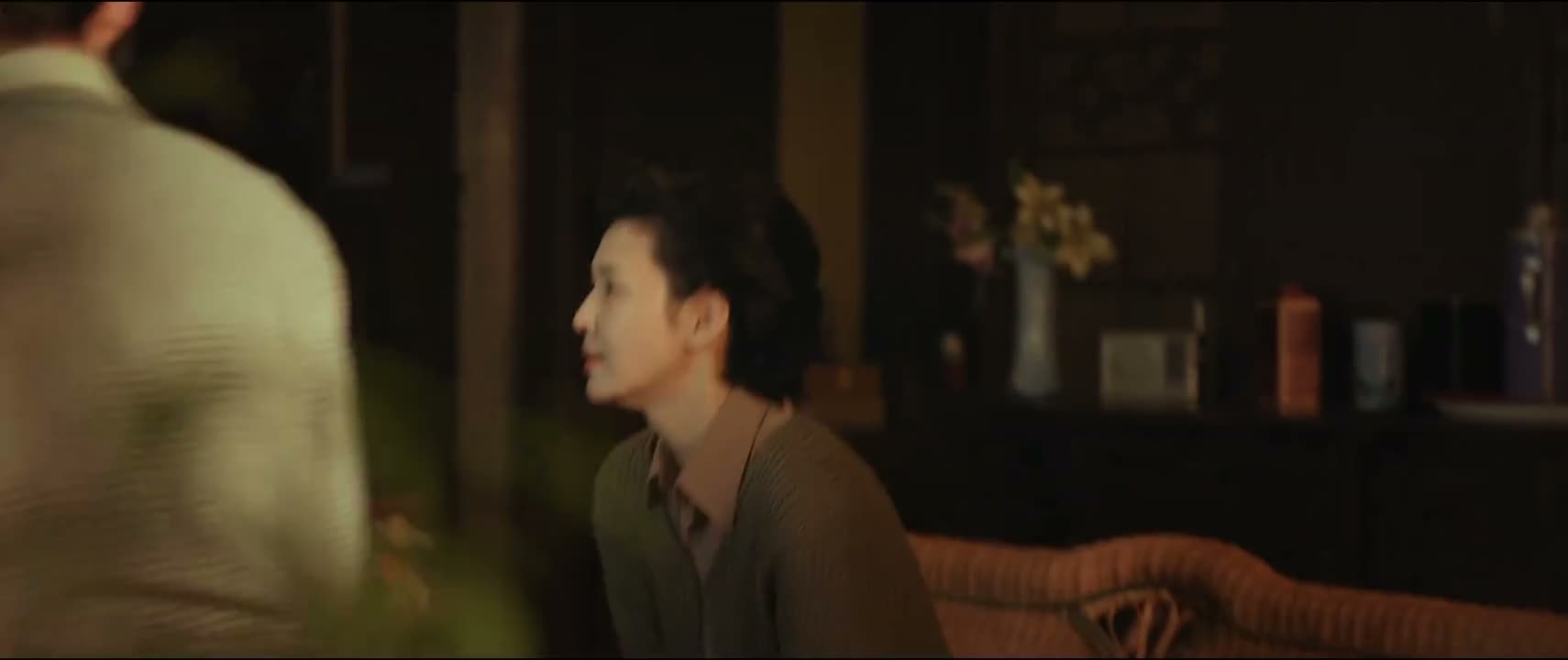 00:02
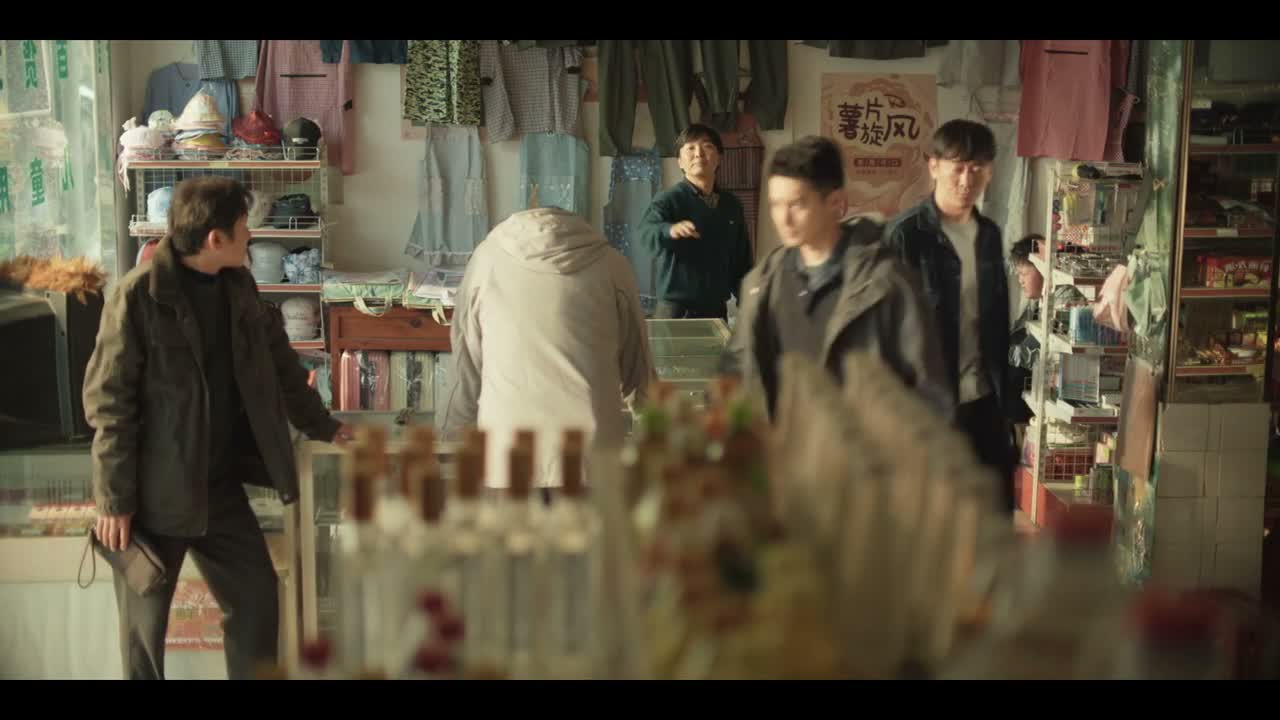 00:03
 00:02
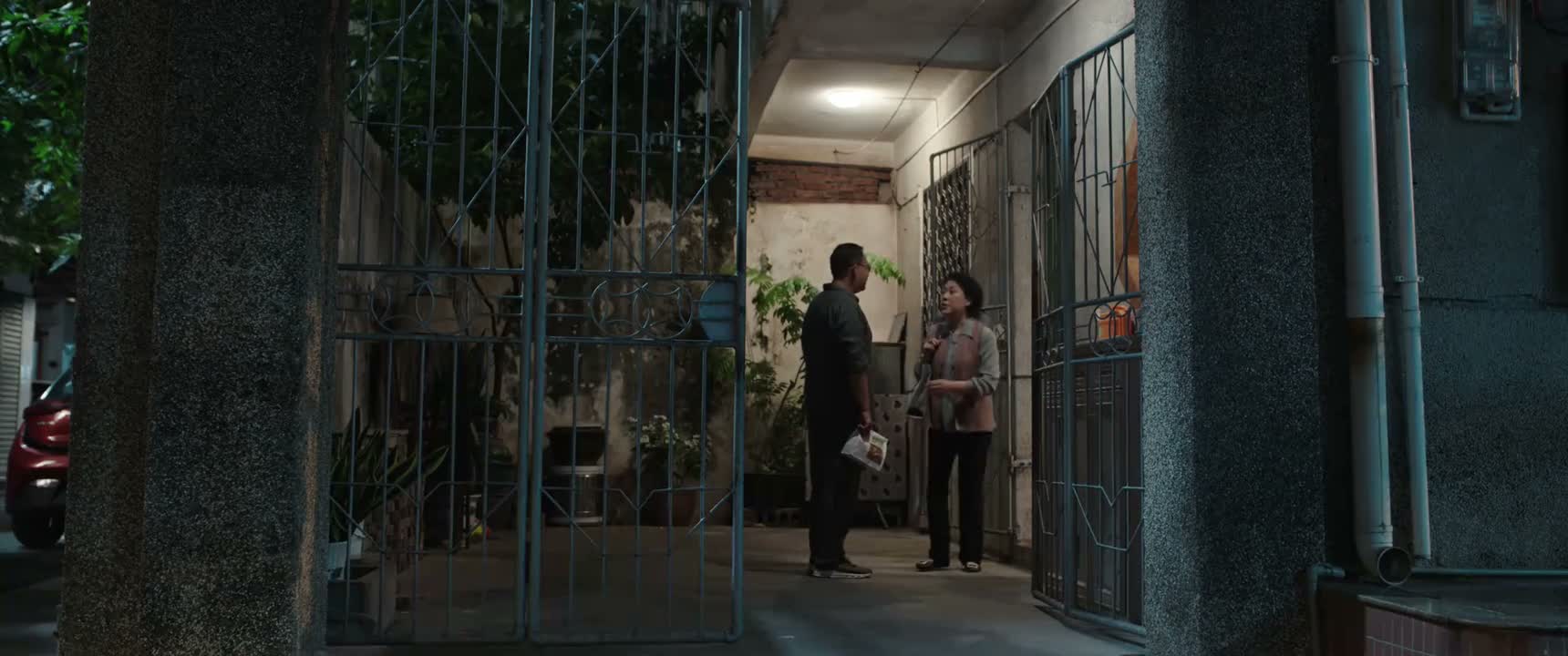 00:02
 00:03
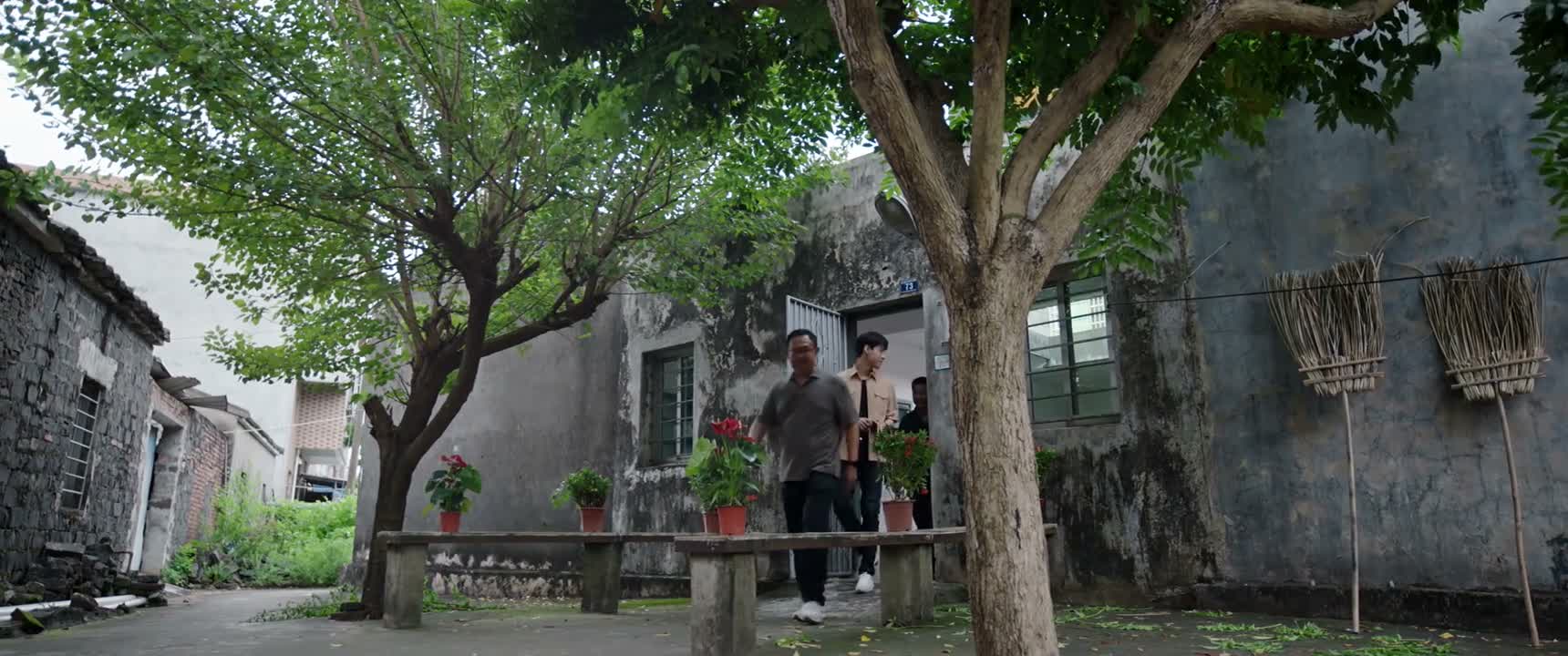 00:03
 00:02
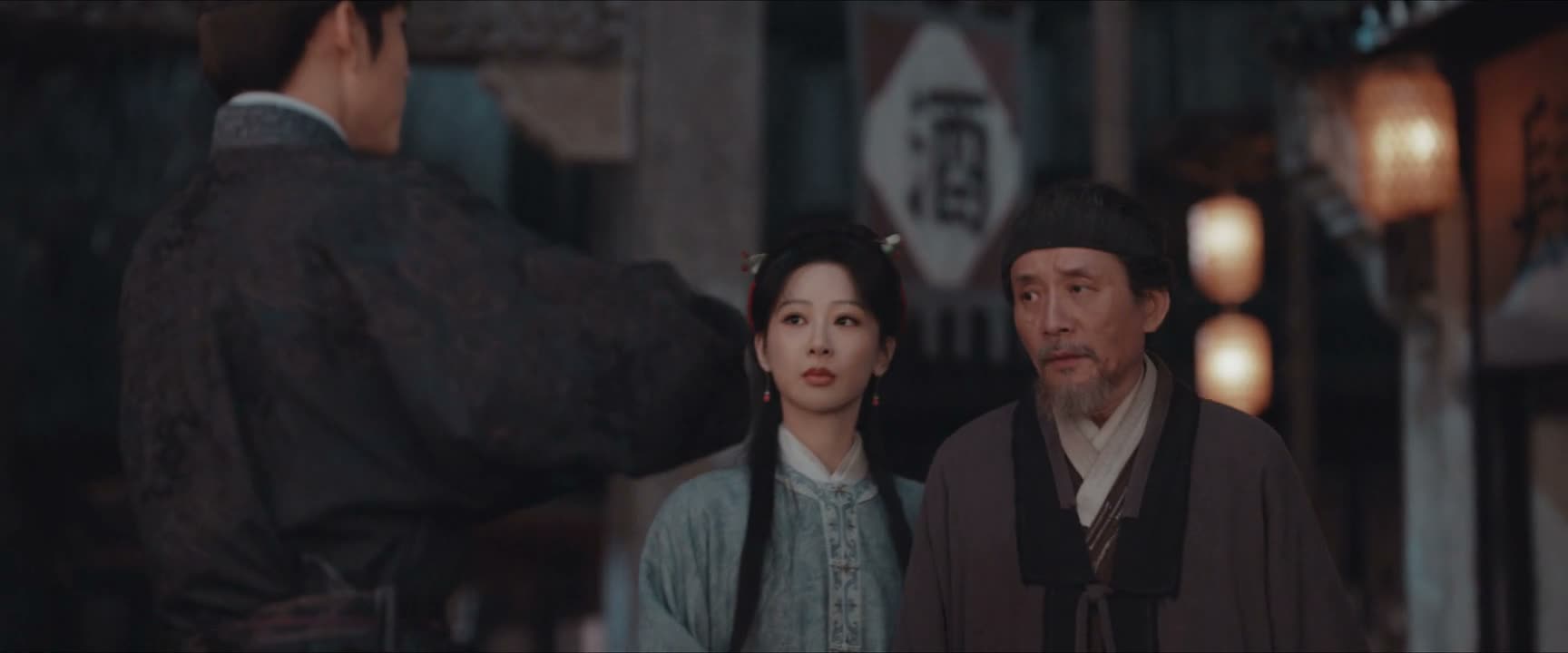 00:02
 00:03
(这方墨便当回礼) ── Previous context
“Take care, sir. Busy, Mr. Shui? Yes. Take care.”
 00:03
 00:03
 00:02
 00:02
(我这工作上还有点事 我先走了 哥 我走了啊) ── Previous context
“- Leaving now? - Yes. - Take care. - Bye.”
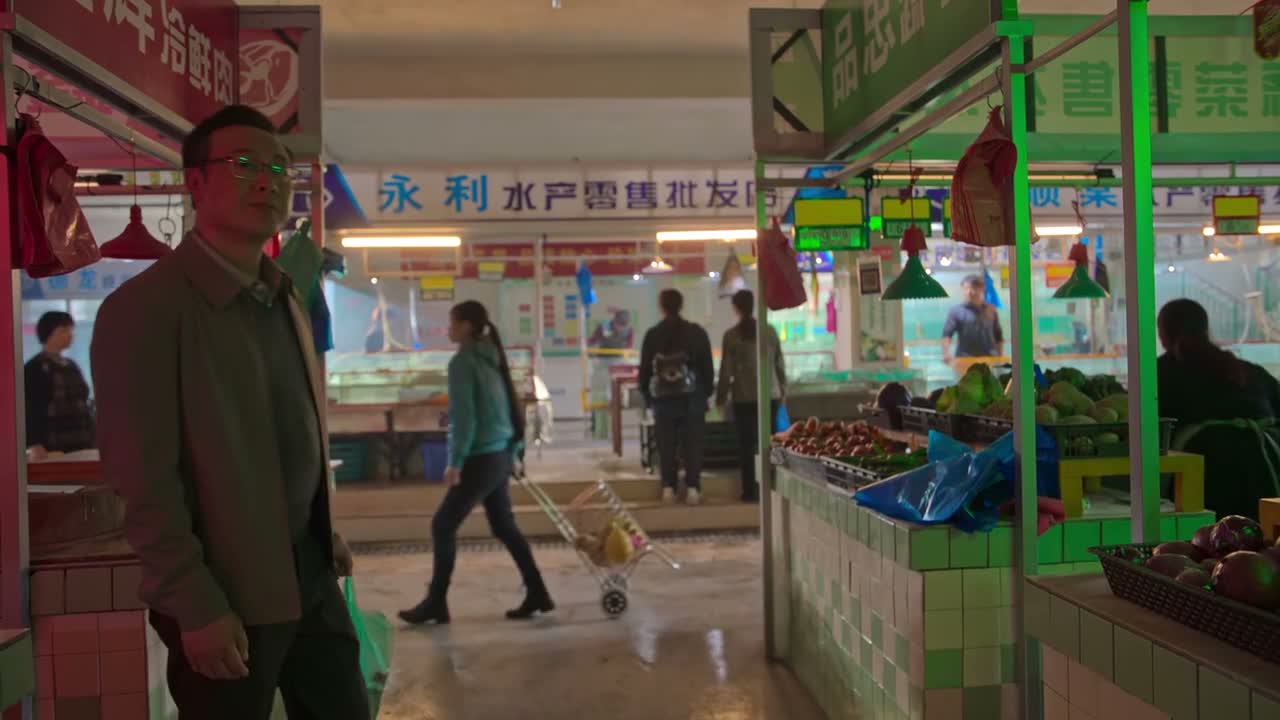 00:02
 00:02
 00:02
(不好意思啊 孩子太不懂事了 谢谢嫂子) ── Previous context
“-Take care. -Thank you. See you next time.”
 00:03
 00:02
 00:03
(我扶你) ── Previous context
“My leg is numb. You go first. I'll come down slowly.”
[Scene: 商务沟通]
(6 clips) 00:02
 00:02
 00:02
 00:03
(来) ── Previous context
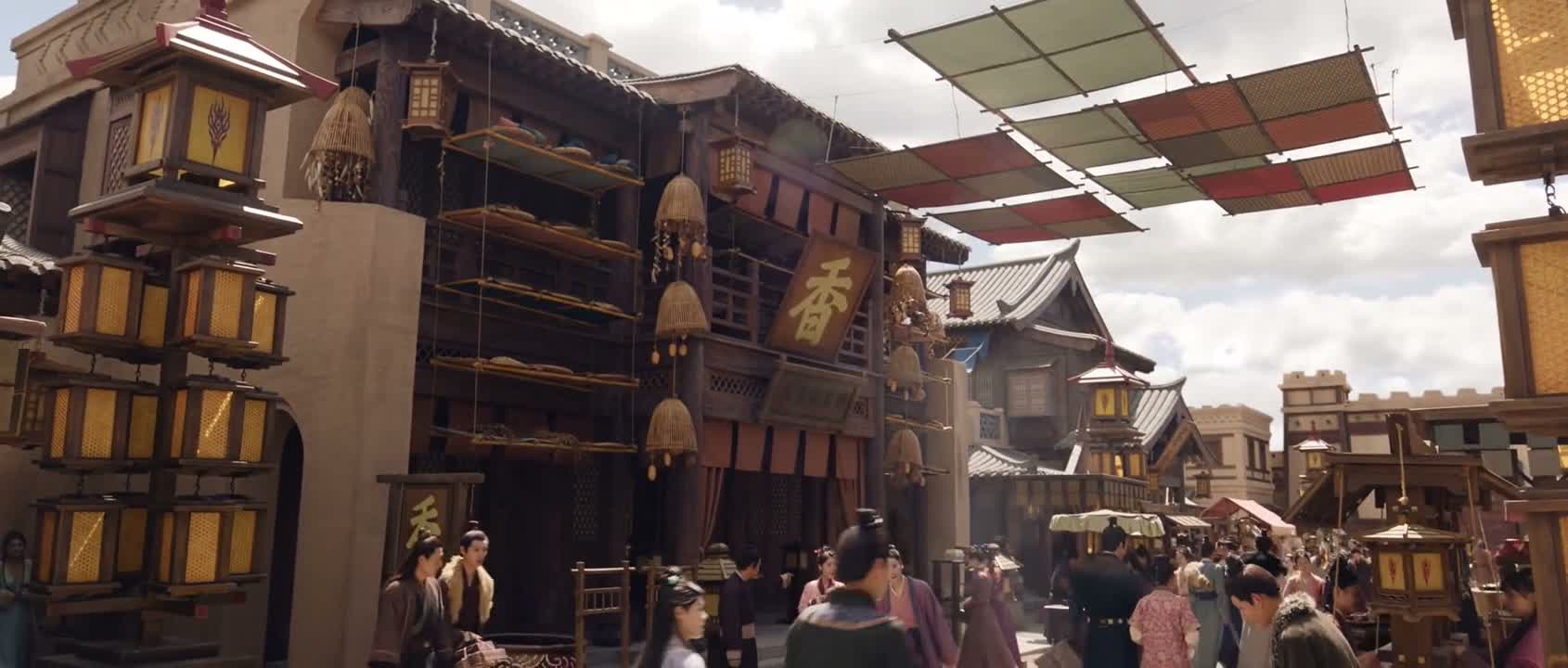
“Since Li Yifei is guaranteeing the loan, we can take our time with the paperwork.”
 00:02
 00:03
(这边请 好) ── Previous context
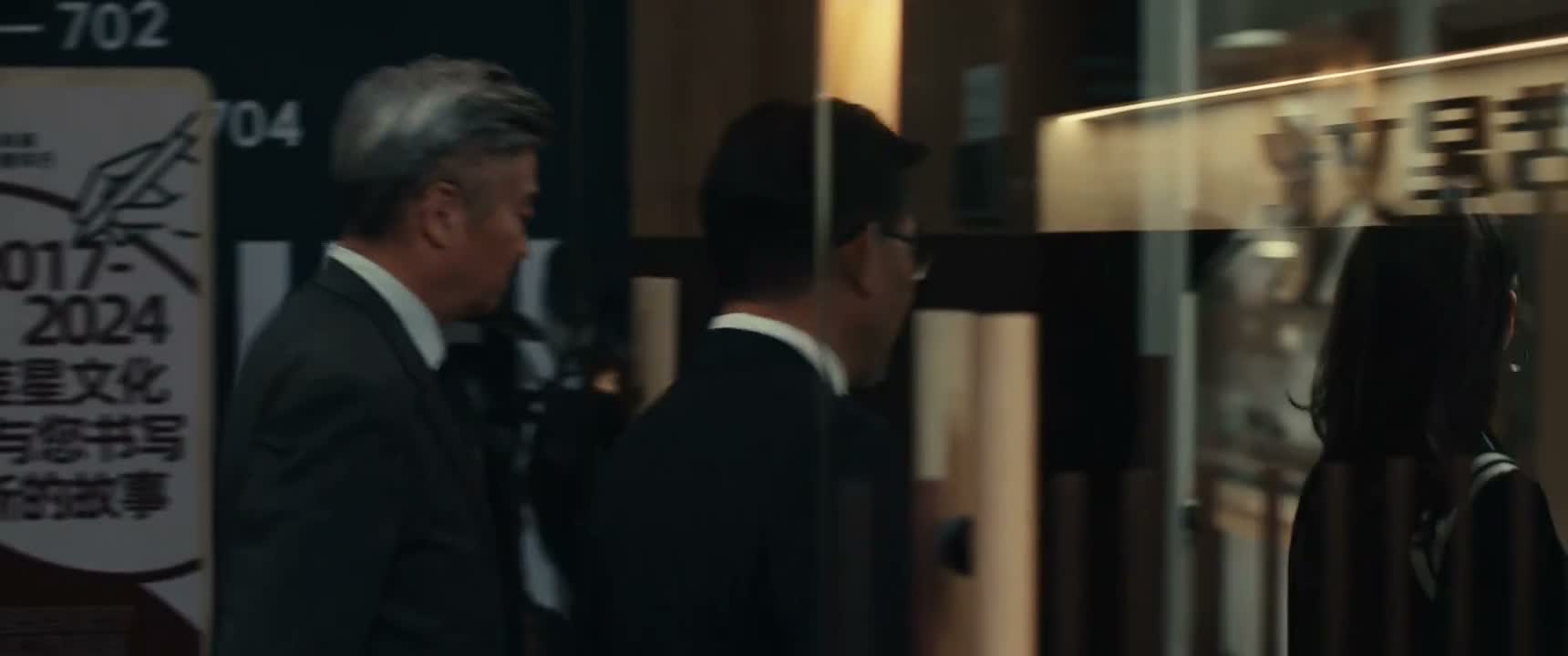
“Please, Mr. Chen, this way. Come. Thank you. You're welcome.”
[Scene: 餐饮美食]
(3 clips) 00:03
 00:02
(你今天坐了这把椅子 绝对能成为有钱人) ── Previous context
“Thank you. Take care. Come again after you finish.”
 00:02
[Scene: 历史宫廷]
(3 clips) 00:03
 00:02
 00:02
[Scene: 警匪刑侦]
(3 clips) 00:03
(感谢你们配合) ── Previous context
“Of course. - I'll get going. - Okay. Take care. See him out.”
 00:02
 00:03
(稳住) ── Previous context
“Let's go. -Okay. -It's urgent. Take care, Officer An. See you later.”
[Scene: 社交聚会]
(3 clips)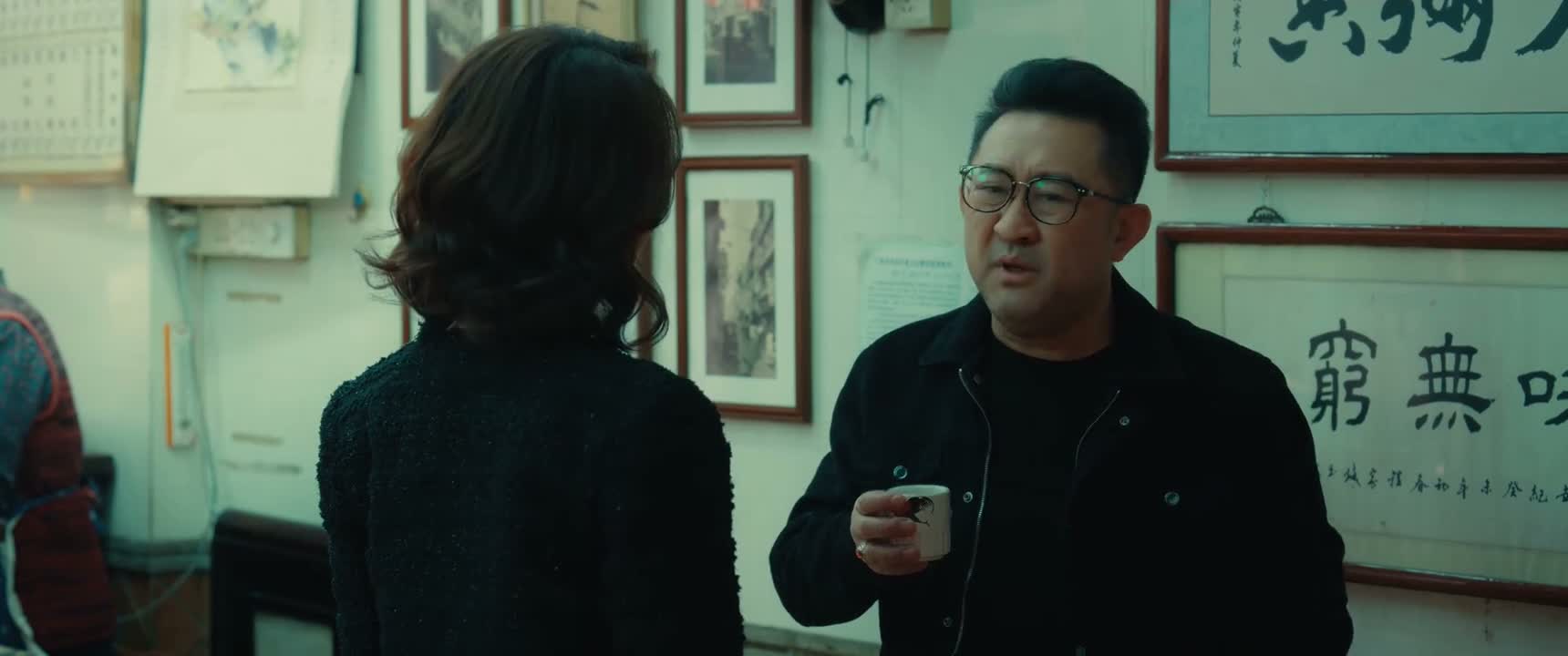 00:02
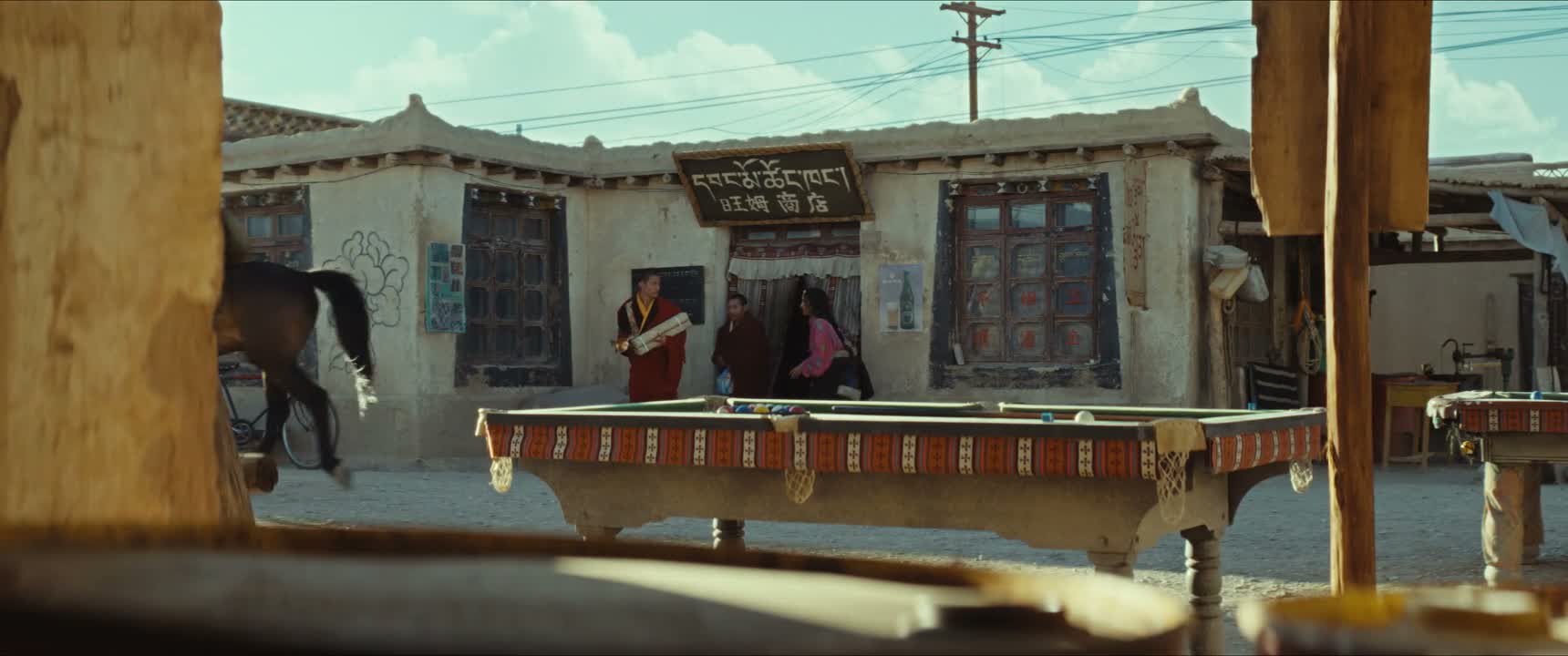 00:03
 00:03
(好嘞 你再看看别的 不用不用 谢谢呀 老板) ── Previous context
“Take care. Why did you make me pay for the clothes you bought?”
[Scene: 其他场景]
(2 clips)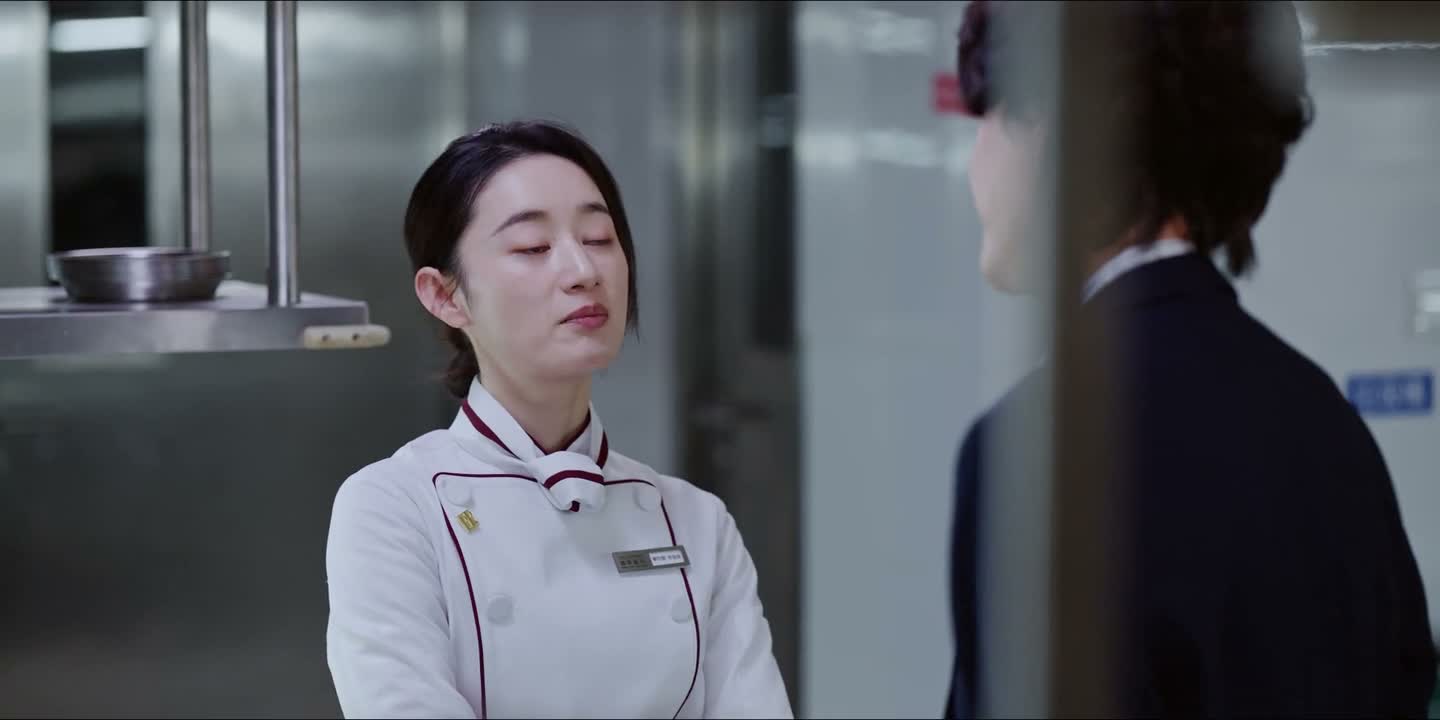 00:02
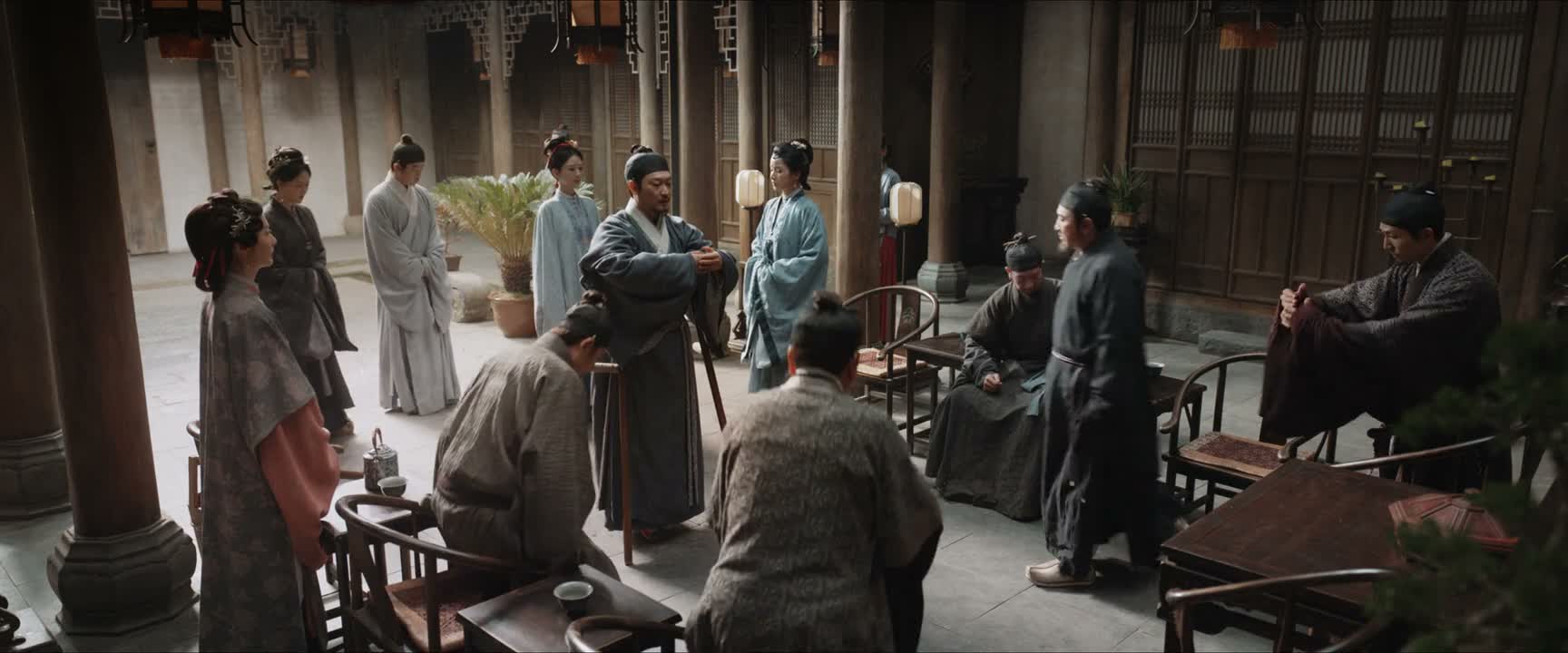 00:03
[Scene: 家庭日常]
(1 clips) 00:02
📌 不说了
→Nuance: 挂断或离开道别意图基本一致
📌 没事
→Nuance: 安抚对方不着急慢慢来
📌 走走走
→Nuance: 更为正式礼貌的引路客套表达
📌 走走走
→Nuance: 同为告别离开意图可互换
📌 来来来
→Nuance: 同为热情迎接引领贵客
📌 行行行
→Nuance: 同为道别与应答,可互相替换
📌 好嘞
→Nuance: 道别叮嘱的另一种常见表达
📌 好嘞
→Nuance: 同向近义词根配对: [再见 ↔ 回见]
📌 急事
→Nuance: 有急事先走核心意图完全一致