拜托
bài tuōCommon spoken expression used by native Chinese speakers in daily life.
[Scene: 其他场景]
(12 clips) 00:02
 00:03
 00:03
(我一个婚礼被他搞得新郎大迟到 我婚礼都办不成) ── Previous context
“Can you stop bringing that up already?”
 00:03
 00:02
 00:02
 00:02
 00:03
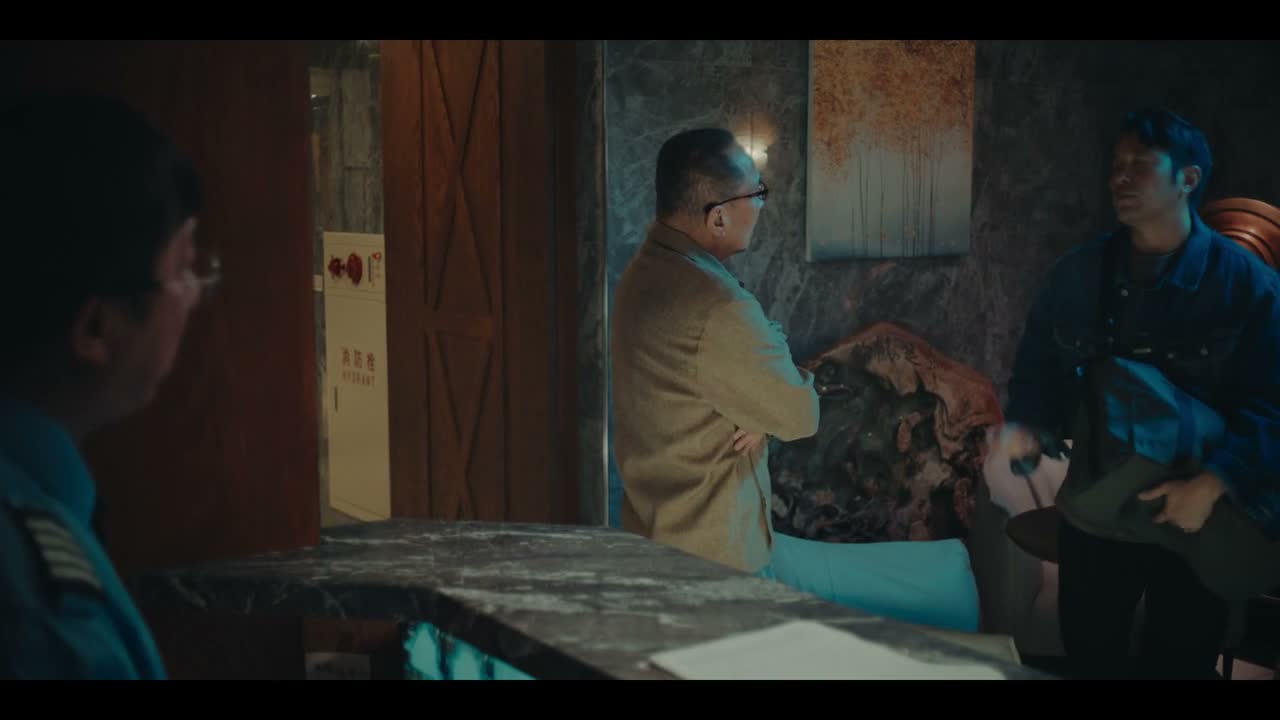
(太子爷 我求求你 求求你再给我一次机会) ── Previous context
“Give me one more chance, Crown Prince. I don't… I don't… I don't… I don't want to go to hell.”
 00:02
 00:03
(那不是放弃 是我的选择 懂吗?) ── Previous context
“Please stop telling Zhou Yikai things about me and his dad.”
 00:03
(我手气非常好 我马上就赢了) ── Previous context
“Trust me! Trust me! Trust me, please, please!”
 00:02
[Scene: 其他场景]
(12 clips) 00:02
 00:02
 00:02
(跟你 等着 我去换衣服 等我 不准动) ── Previous context
“I really don't know how to take care of a teenager. Thank you.”
 00:02
 00:02
 00:02
 00:03
 00:02
 00:03
(让他工作顺利) ── Previous context
 00:02
 00:02
 00:02
[Scene: 历史宫廷]
(9 clips) 00:03
 00:03
 00:02
 00:02
 00:03
(外面有人 对 快点 帮忙摇) ── Previous context
“You're being followed again? Please do me a favor.”
 00:02
 00:02
 00:02
 00:02
[Scene: 家庭日常]
(6 clips) 00:02
 00:02
 00:02
 00:03
(哇“谁知道呢” 意思是“永远”) ── Previous context
“[scoffs] Please. I'm not going home to live with my father.”
 00:03
(拜拜) ── Previous context
“I'm counting on you to take Ling to school. Get in the car.”
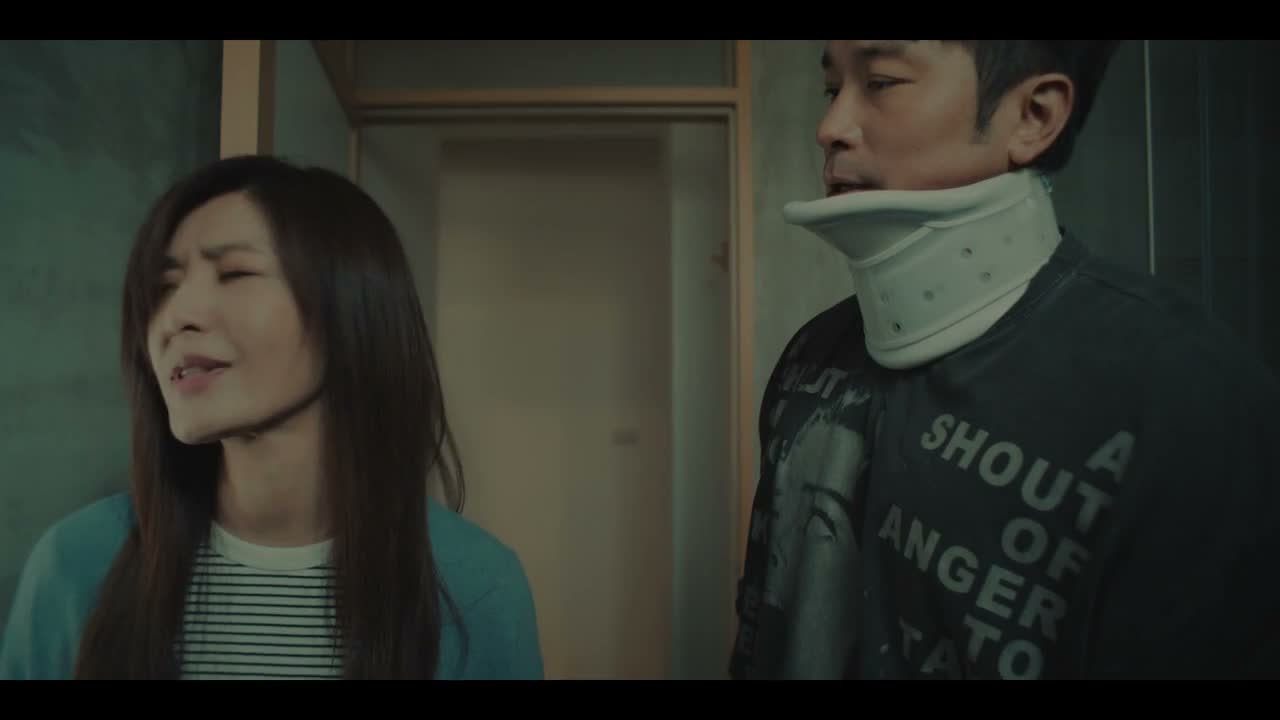 00:02
[Scene: 其他场景]
(1 clips) 00:03
(为了工作 确实命都不要了) ── Previous context
“So, while she's in the hospital, I entrust her to your care.”
📌 没事
→Nuance: 共享核心口语谓词: [不好意思]
📌 你赶紧
→Nuance: 同样因某人原因催人离开
📌 放心
→Nuance: 核心交际意图完全一致
📌 直接敲门
→Nuance: 同向近义词根配对: [直接 ↔ 一直]
📌 讲道理
→Nuance: 同向近义词根配对: [讲话 ↔ 讲讲]
📌 帮我照顾
→Nuance: 同为请求照顾,表达更礼貌委婉
📌 添麻烦
→Nuance: 均为向警察客套托付之辞
📌 把话说清楚
→Nuance: 均要求对方清晰讲理,意图相近
📌 对不起
→Nuance: 同向近义词根配对: [对不起 ↔ 不好意思]
📌 不好意思
→Nuance: 共享核心口语谓词: [不好意思]