是时候
shì shí hòuCommon spoken expression used by native Chinese speakers in daily life.
[Scene: 其他场景]
(14 clips)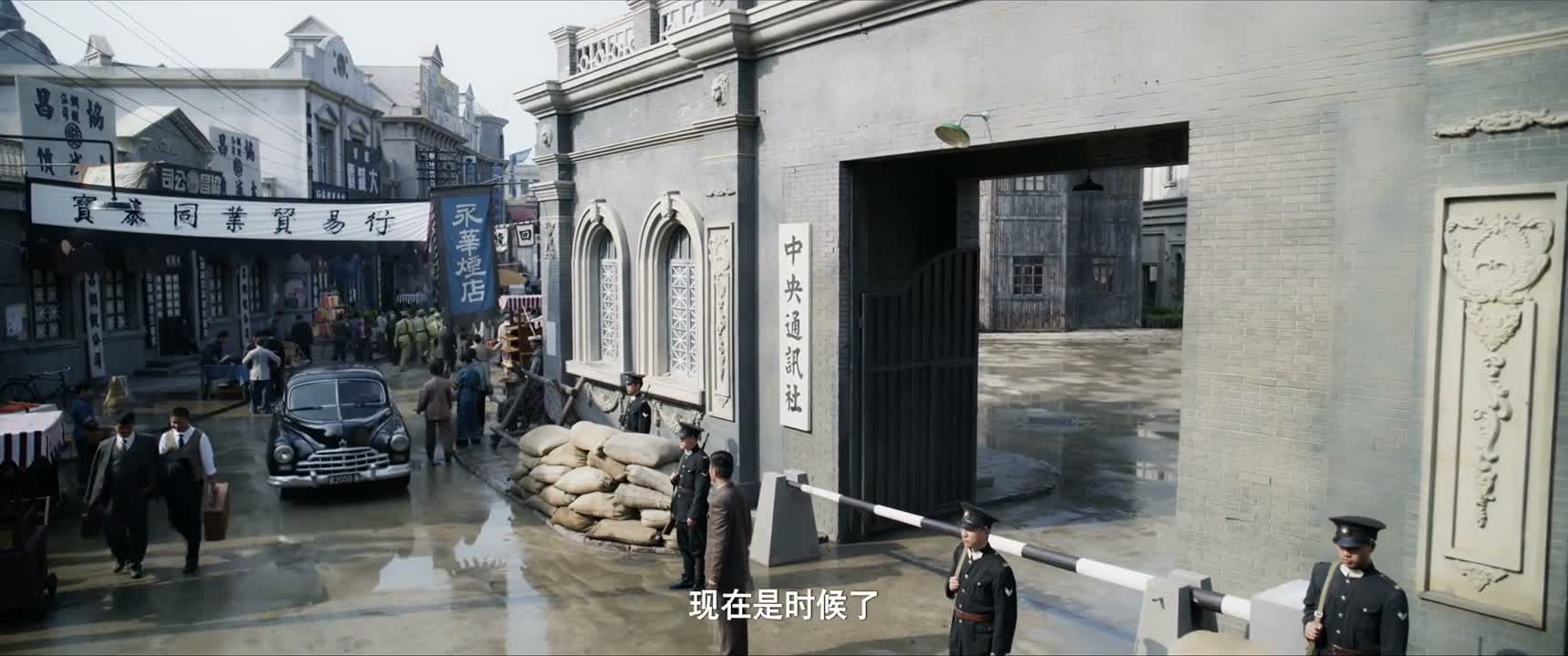 00:02
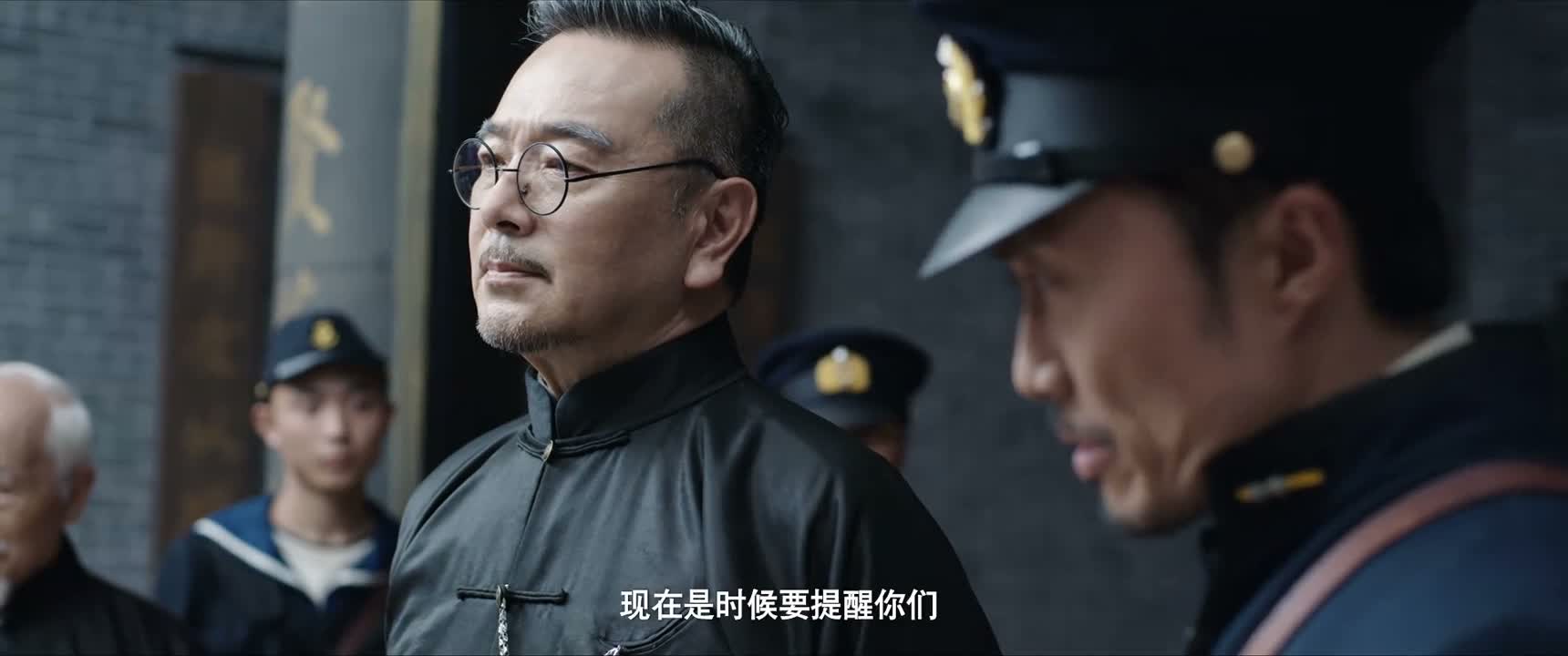 00:03
 00:02
 00:02
 00:02
 00:02
 00:02
 00:02
 00:02
 00:02
(快走 来了来了 来) ── Previous context
“It's time to settle this once and for all. [A ball will be held in the upper-deck VIP suite.]”
 00:02
 00:02
 00:03
 00:02
[Scene: 历史宫廷]
(10 clips) 00:03
 00:02
 00:02
 00:02
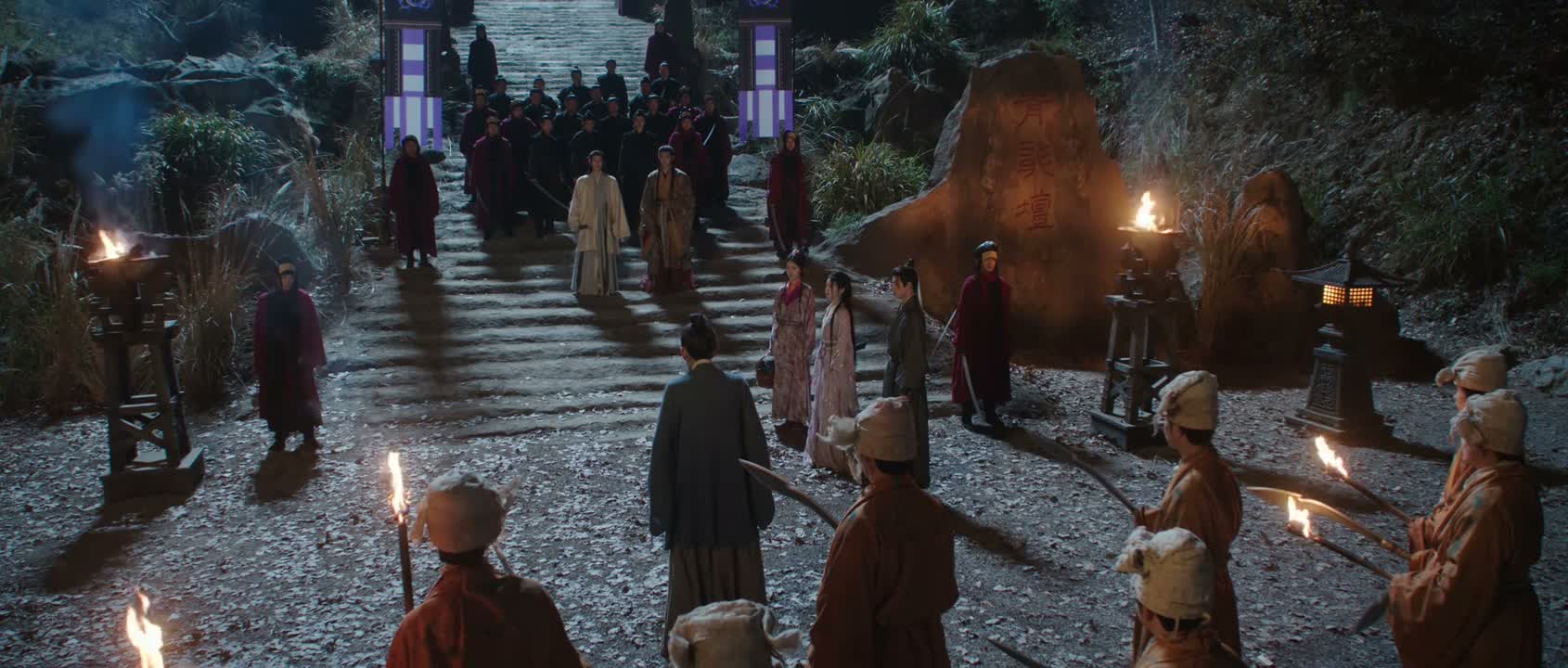 00:02
 00:02
 00:02
 00:02
 00:02
 00:02
[Scene: 家庭日常]
(5 clips) 00:02
 00:03
 00:02
(你来京城也有两年了吧) ── Previous context
“It is time for you to return to Lingnan and see your mom.”
 00:02
 00:02
(没想到这小辈这么不懂事) ── Previous context
“It's time to emphasize the Zhang family's discipline.”
[Scene: 警匪刑侦]
(5 clips) 00:02
 00:02
 00:02
 00:03
(安警官 李警官) ── Previous context
“You came at the right time. We'll be leaving the city soon.”
 00:02
[Scene: 其他场景]
(4 clips) 00:02
 00:02
 00:03
(那边看了 没有 走) ── Previous context
“I came at a bad time. I'm really sorry, Sanyuan.”
 00:02
[Scene: 商务沟通]
(1 clips) 00:02
[Scene: 社交聚会]
(1 clips)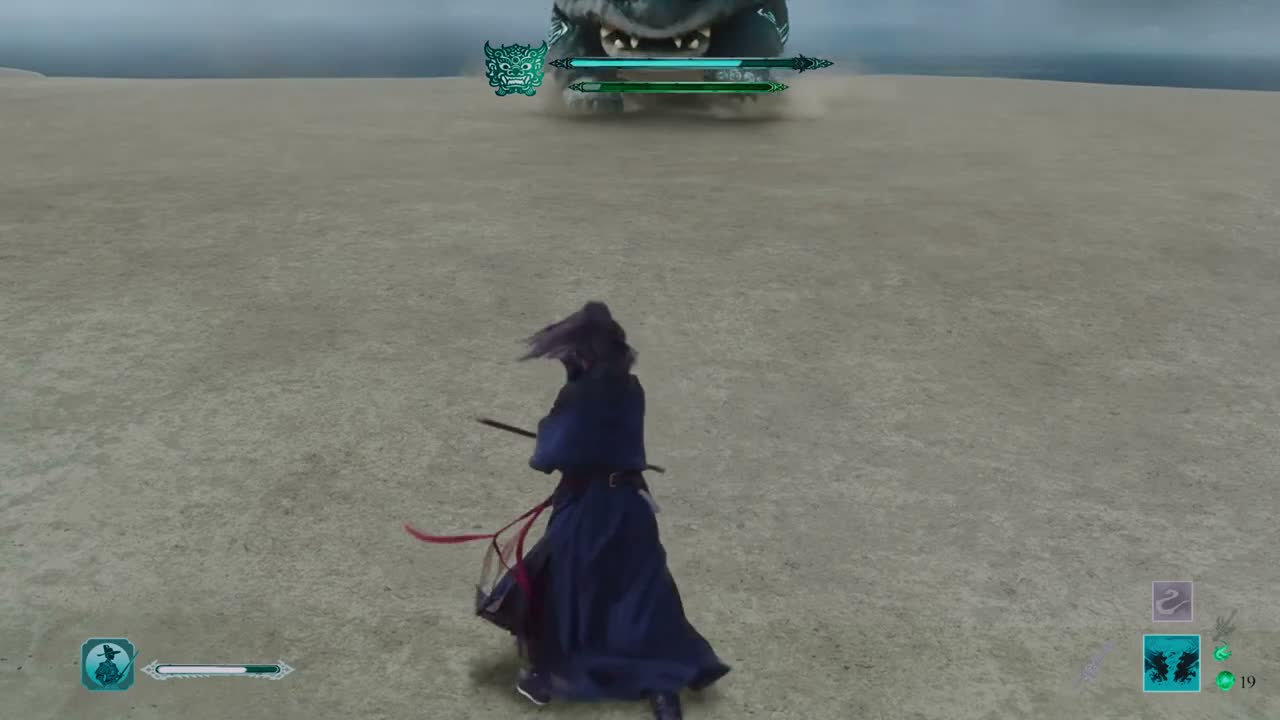 00:03
(包哥 出招吧 加油 加油包哥) ── Previous context
“Bao, it's time. Use the ultimate attack. Use the ultimate attack.”
📌 你说你
→Nuance: 核心交际意图一致,感慨来得不巧
📌 看一看
→Nuance: 核心动作与交际意图基本一致
📌 太不巧了
→Nuance: 核心意图一致可互换
📌 领证
→Nuance: 同向近义词根配对: [时间 ↔ 时候]
📌 抓紧时间
→Nuance: 同向近义词根配对: [时间 ↔ 时候]
📌 什么时候
→Nuance: 表达促成带回相见的同一意图
📌 什么时候
→Nuance: 同向近义词根配对: [时间 ↔ 时候]
📌 没办法
→Nuance: 同向近义词根配对: [时间 ↔ 时候]
📌 赶紧
→Nuance: 同向近义词根配对: [时间 ↔ 时候]